





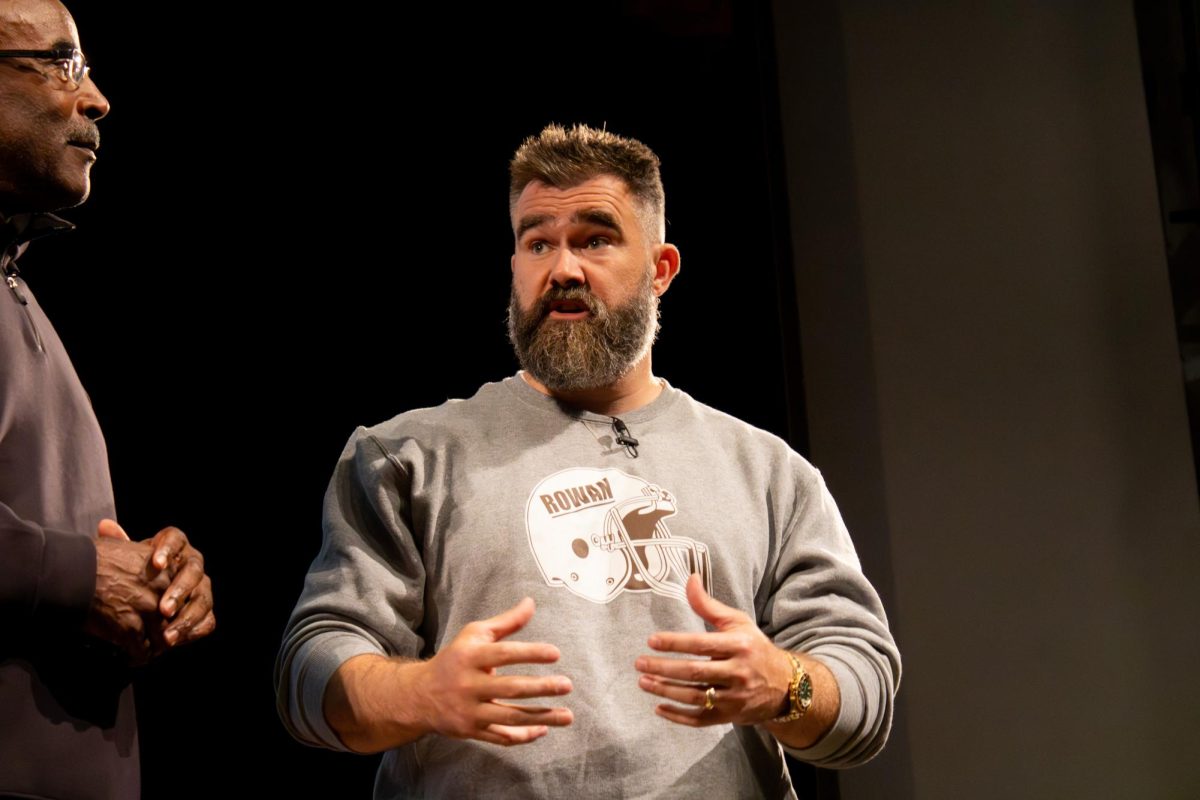

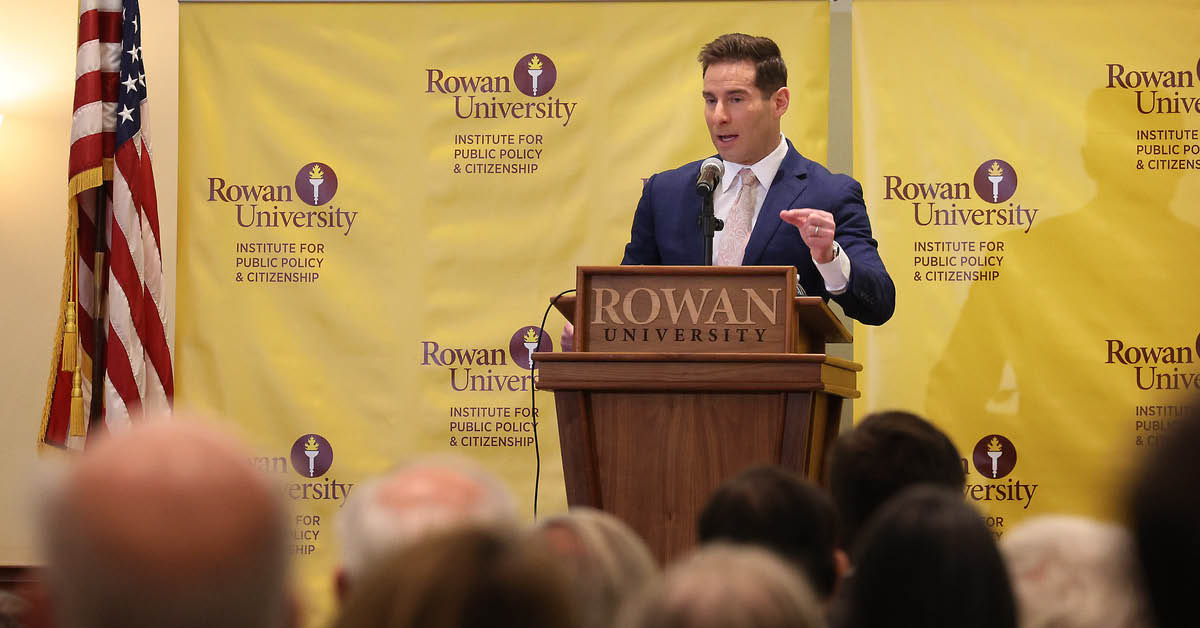











































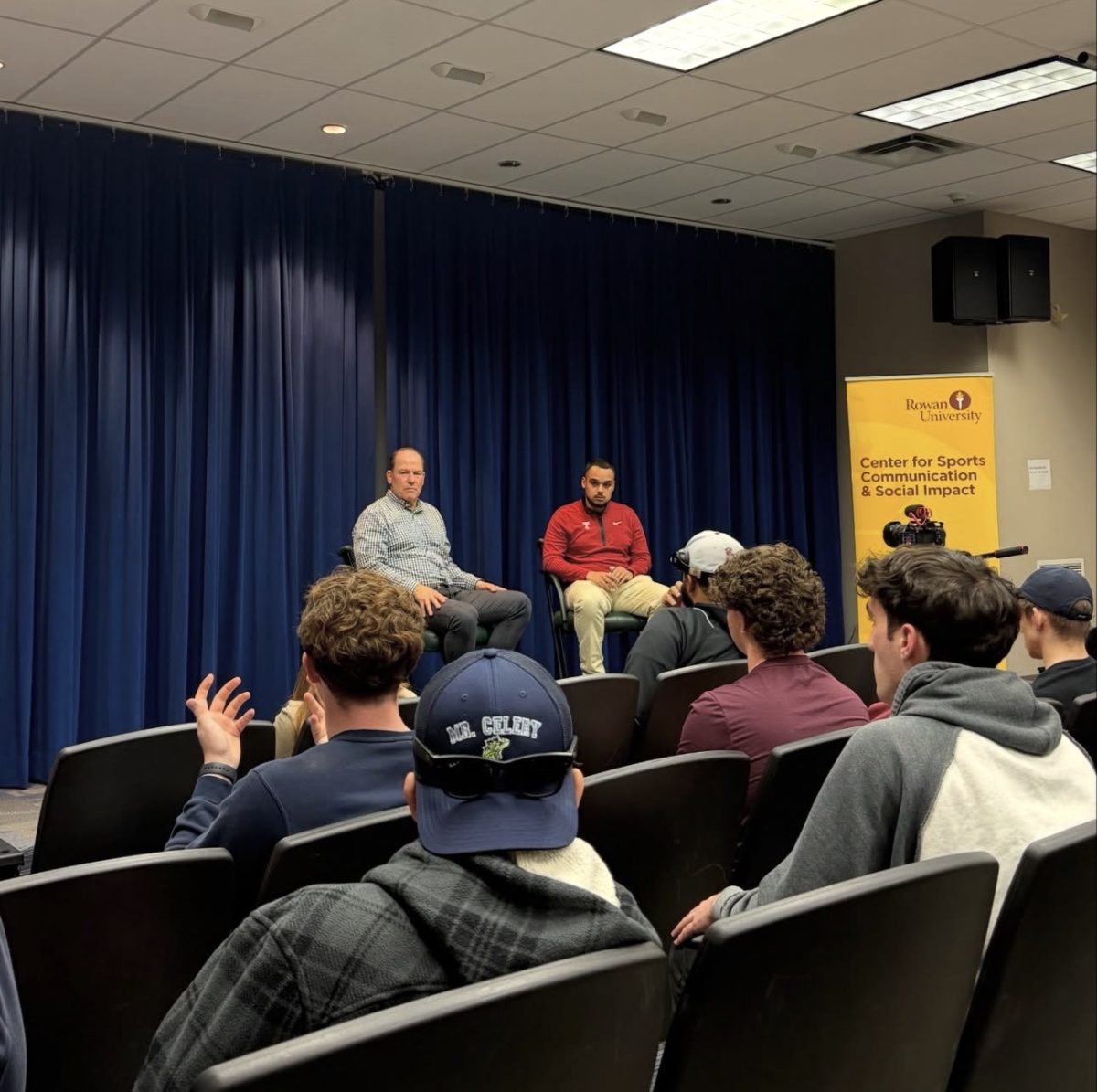
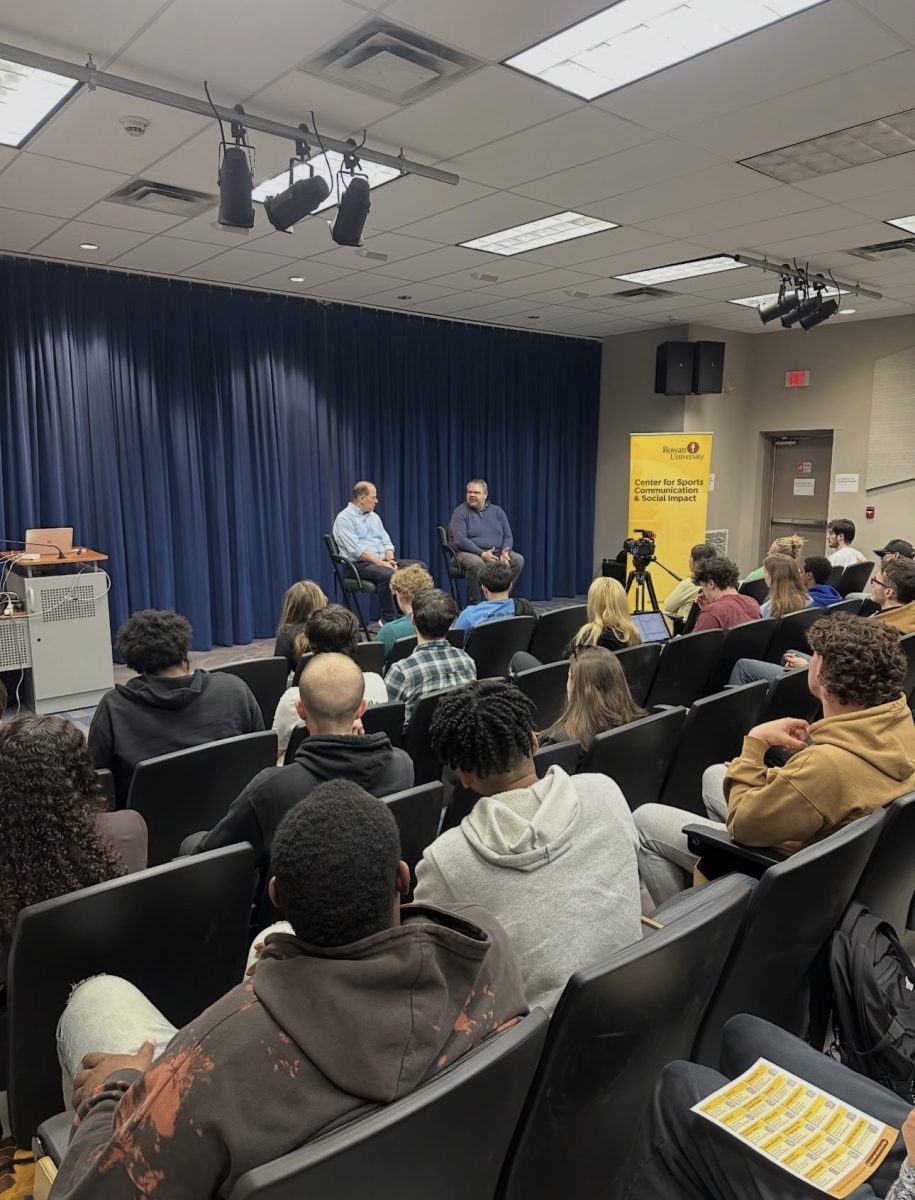
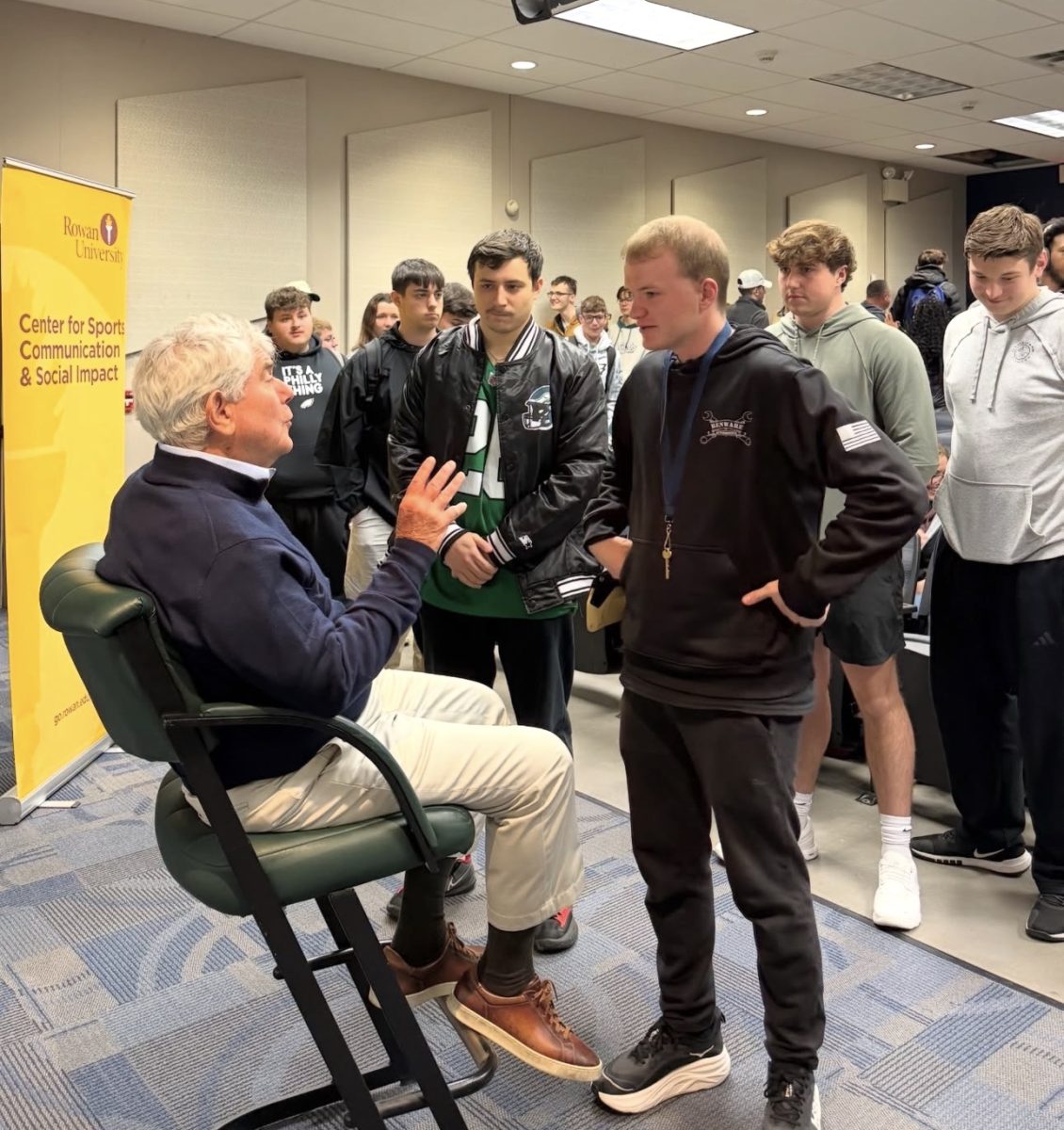
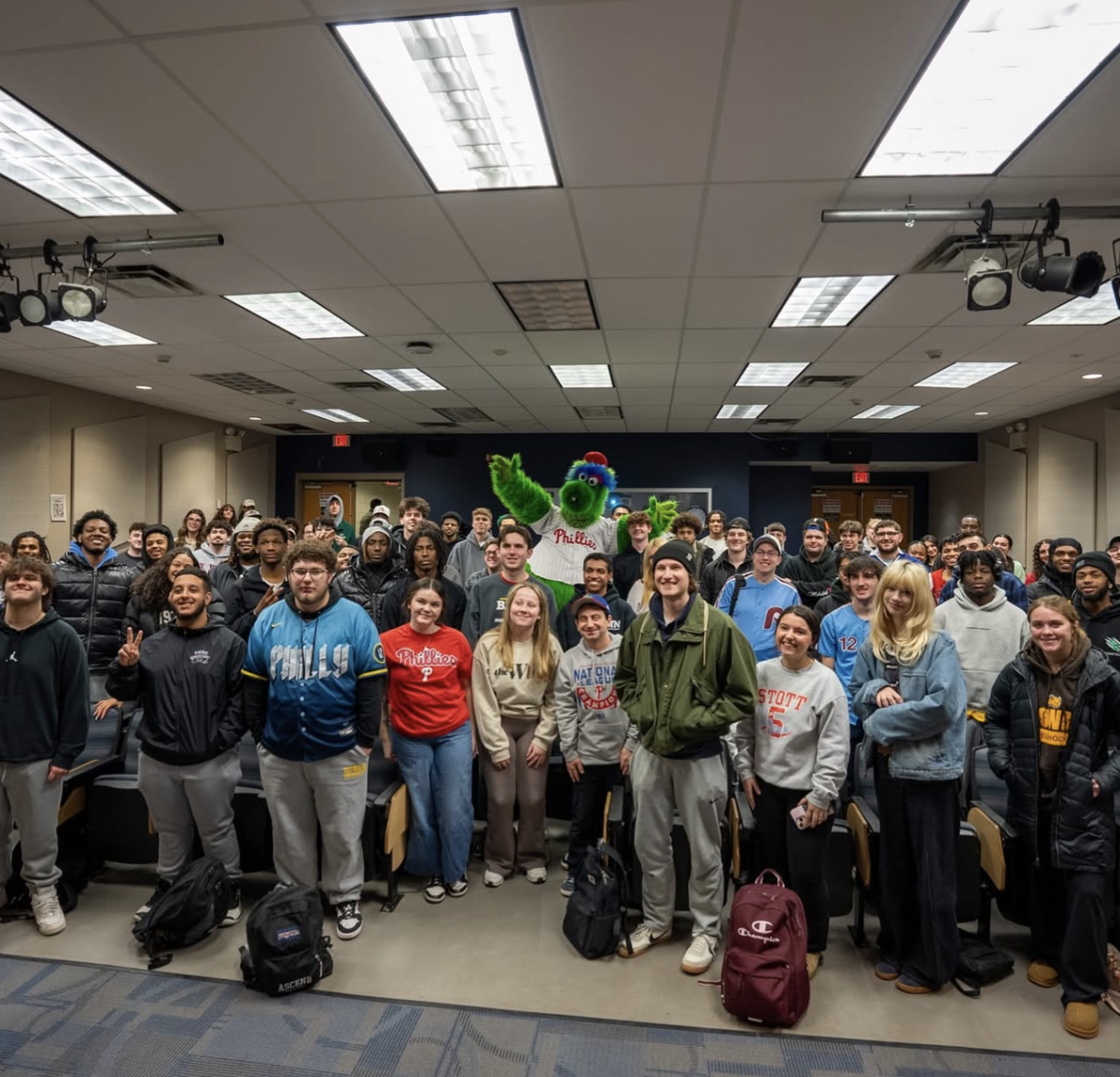
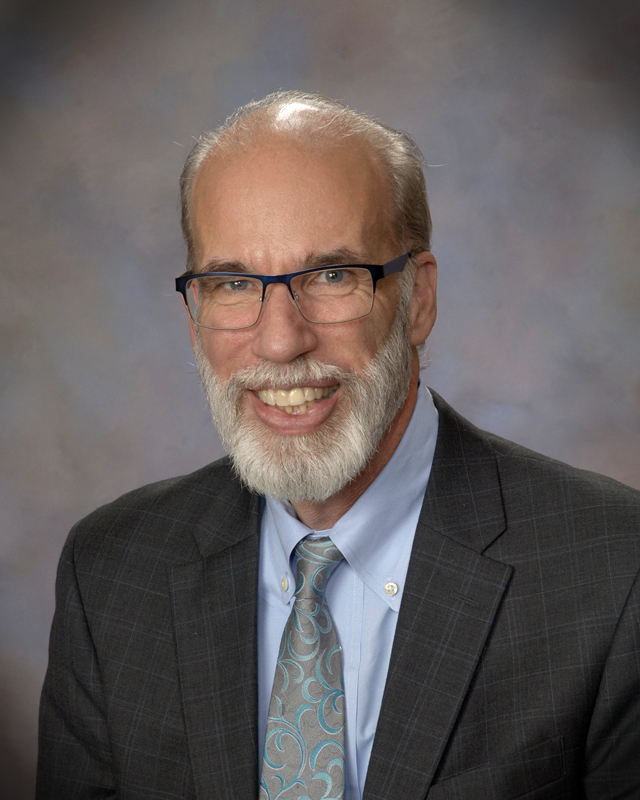
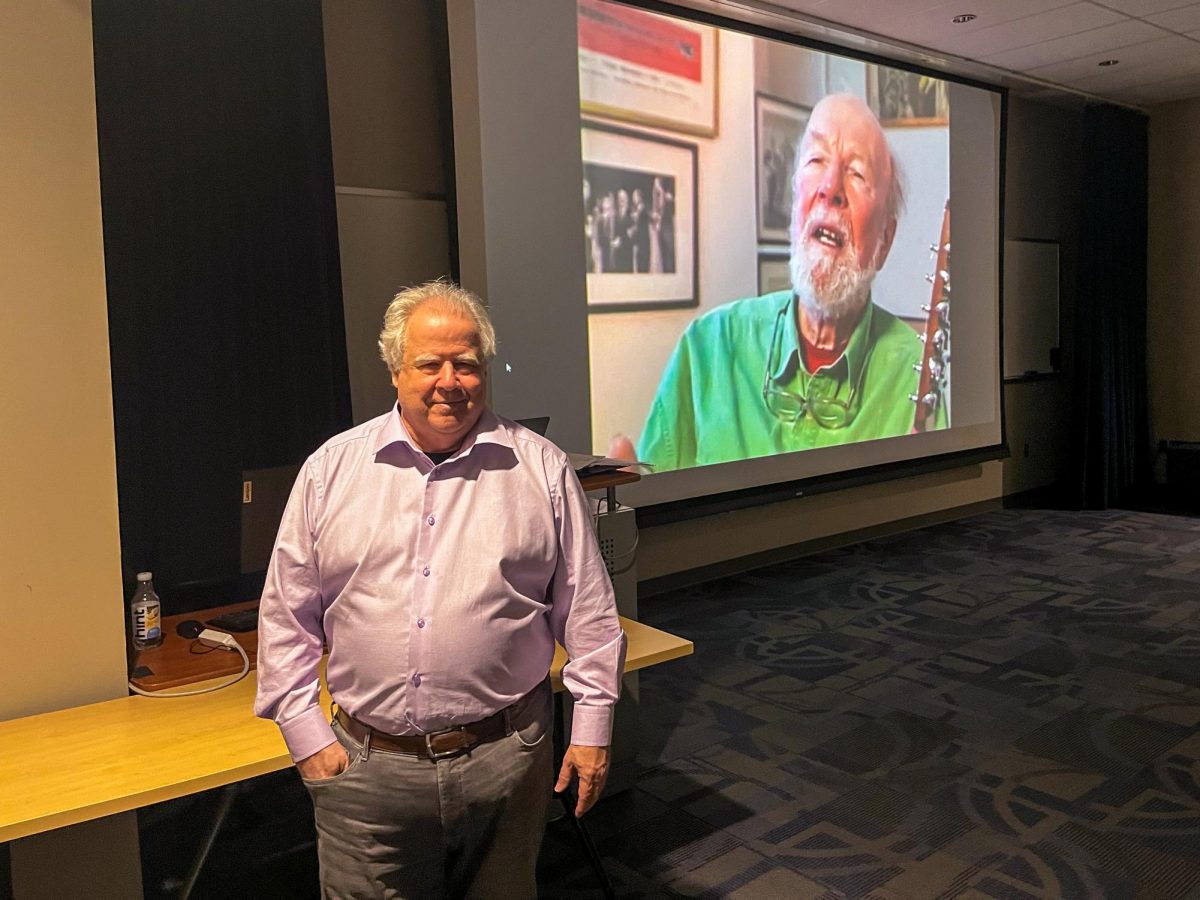





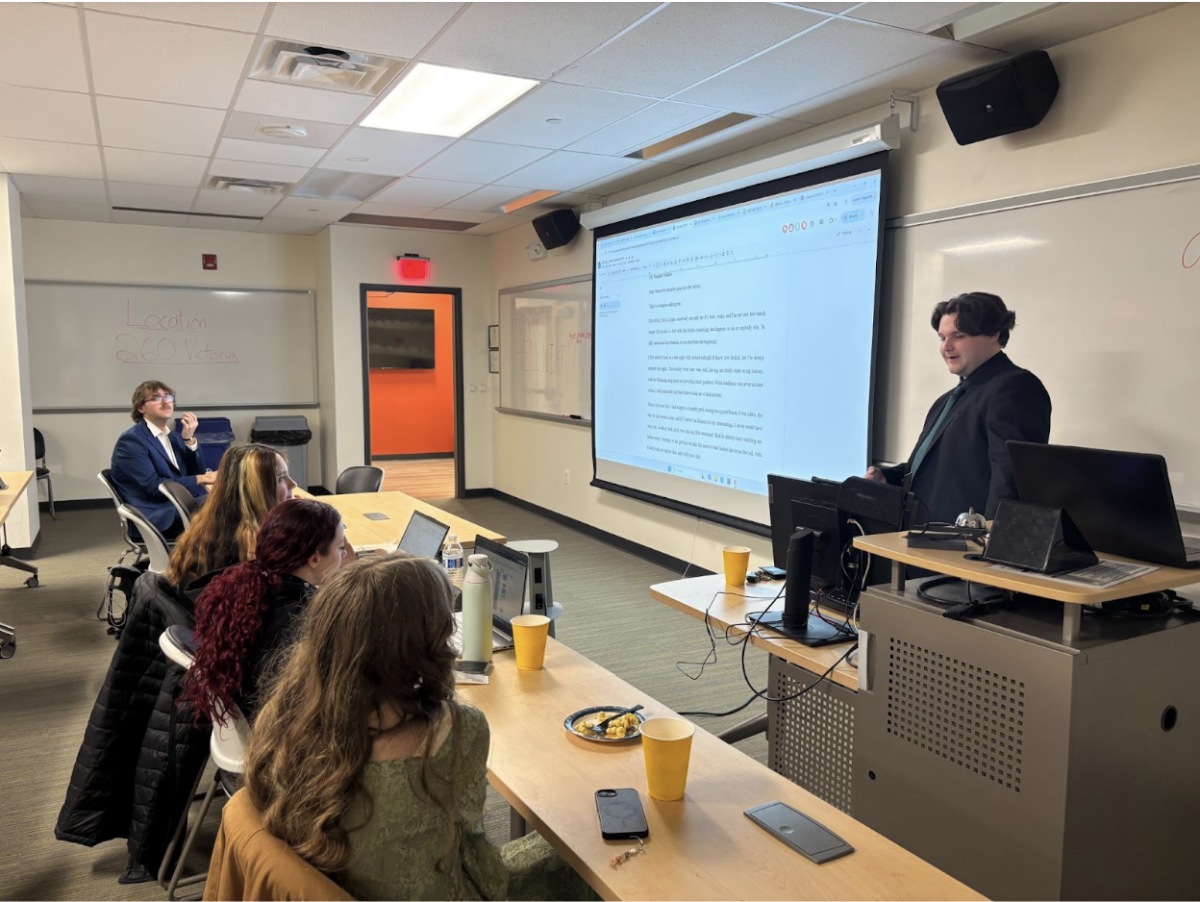
















With hot topics such as prosecution, politics, and presidential accountability burning in the brains of American society, the Rowan Institute of Public Policy and Citizenship (RIPPAC) welcomed CNN legal analyst Elie Honig for a public discussion.
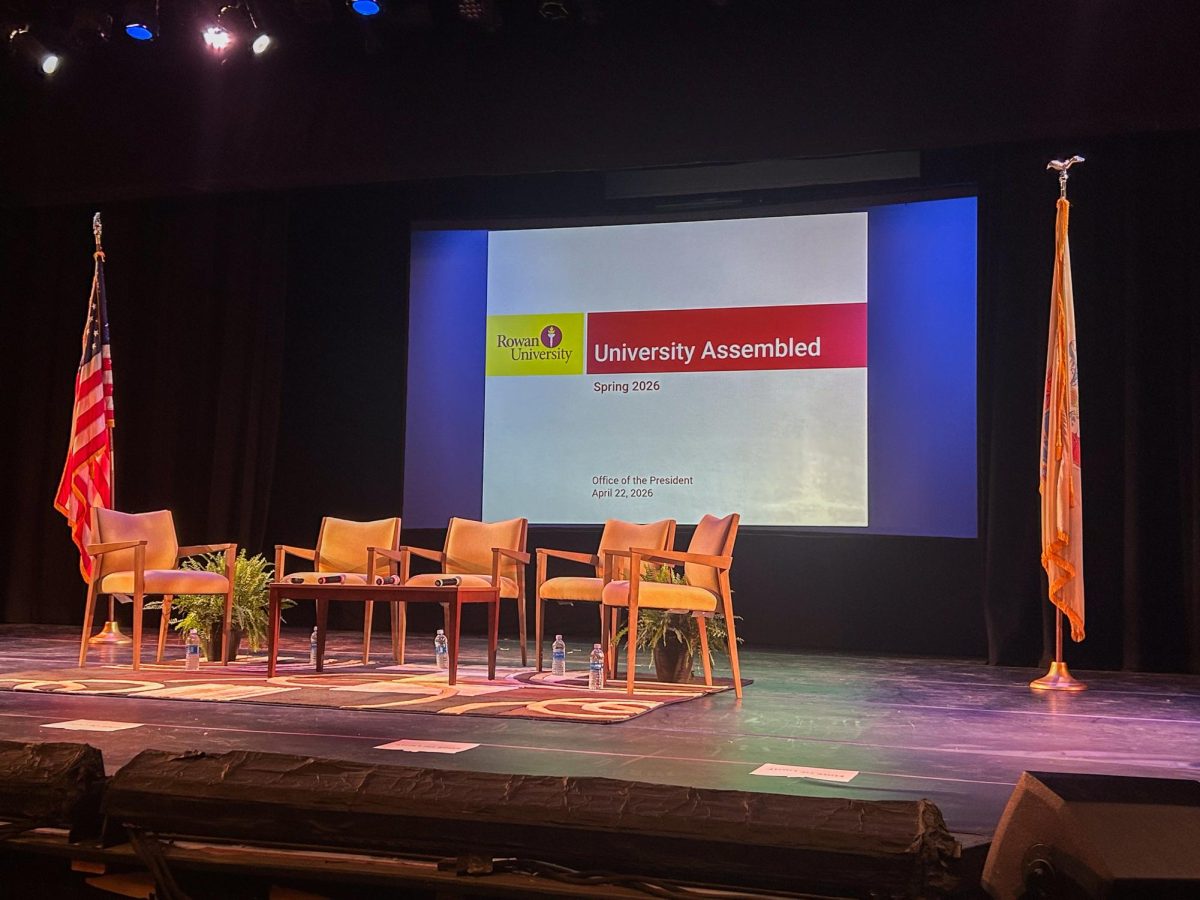
“An Evening with Elie Honig,” part of RIPPAC’s Speaker Series, was held on Thursday, March 26, and included several co-sponsorships from the likes of The Center for Interdisciplinary Studies, The Ric Edelman College of Communication, Humanities & Social Sciences, The Department of History, and The Department of Journalism.
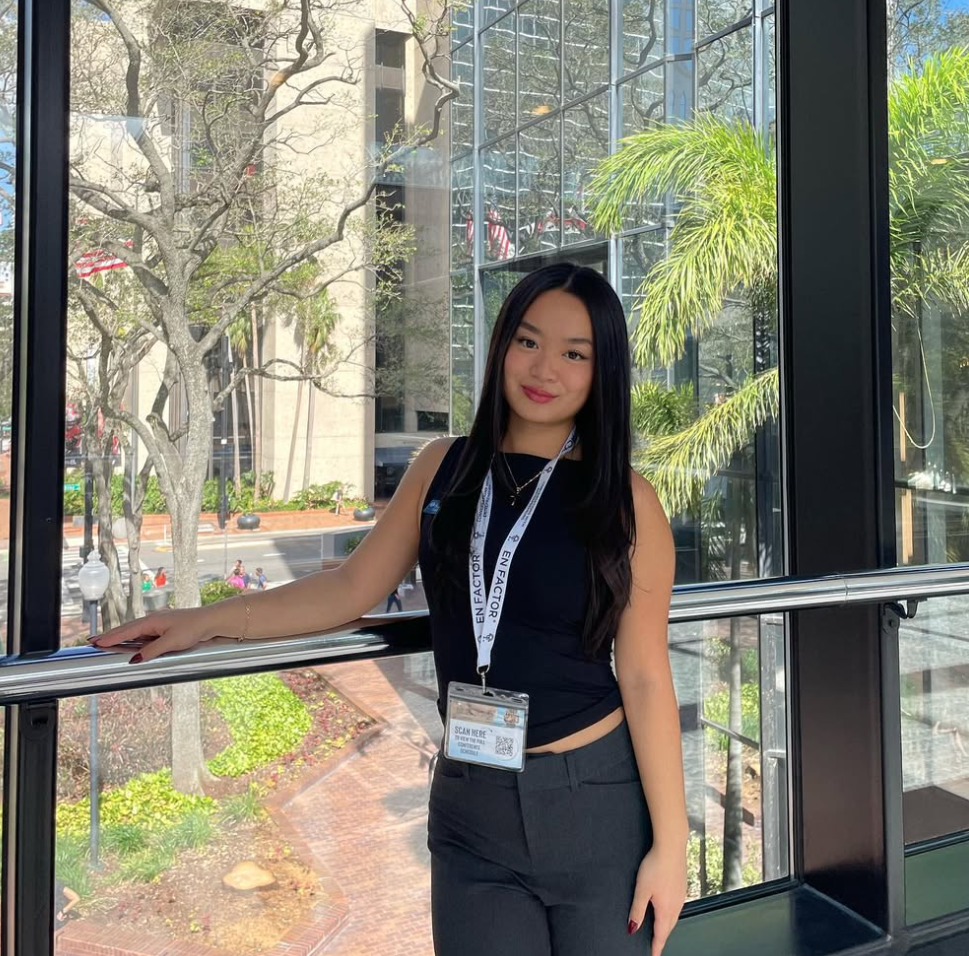
RIPPAC Leadership Course Scholarship recipient Zoey Wong gave some opening remarks before introducing Honig to the audience.
“I come from an immigrant family whose grandparents fled China during the Cultural Revolution, so I’ve grown up understanding how history, tragedy, and injustice can shape a family for generations in this way,” said Wong. “Mr. Honig and I have a unique connection, some of you may know. Mr. Honig is the grandson of Holocaust survivors, and therefore, he has also spent a great deal of time thinking about how history, tragedy, and injustice affect his own life.”
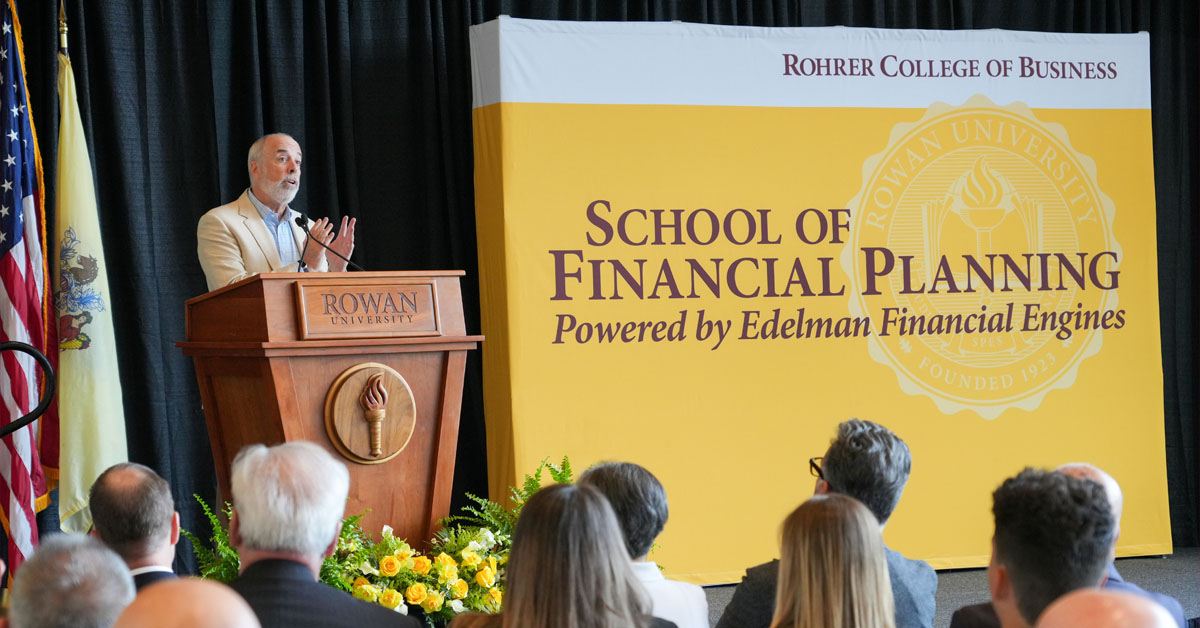
Honig then took to the podium and thanked Wong for making this connection, before noting his love of the New Jersey public school system to the audience.
“It’s that cycle of opportunity that you get in schools like Rowan, Rutgers, or many others. Now that said, one thing that I want everyone to understand about my resume is I am a product of the New Jersey public school system,” said Honig.
Honig talked about his background in law, and how he was never originally supposed to go into the media industry, and how he was actually steered to ignore the media entirely.
“I was a real lawyer. But when I was a prosecutor, we were trained and brainwashed that the media was the enemy. I was trained at the Justice Department. If you ever get a call from the media, you just hang up the phone. You don’t even politely refer them to the press office; just hang up the phone. And so I always saw the media as the enemy,” said Honig.
Honig also spoke about his transition into the media.
“I realize that I fully converted to the dark side, and I do have this awkward moment that will happen sometimes when I’m talking to my friends who are prosecutors then or prosecutors now. And maybe we’ll be at a bar having a drink, and 10 or 20 minutes in, they’ll always go ‘we’re off the record, right?’” said Honig.
In a section of his speech, Honig talked about the five things he would never be caught saying on air, including phrases like “hand-picked,” yet he emphasized the phrase “smoking gun.”
“You will never hear me say on air, ‘it’s a smoking gun’ or ‘it’s a slam dunk case’, okay? It’s tempting to do this when an indictment drops, because it sounds cool, and it’s definitive,” said Honig. “You’re saying, ‘Oh, this is the smoking gun.’ But let me tell you, I spoke last week at a convention of prosecutors and defense lawyers. I said every person in this room knows that if you’ve ever stood in front of a jury trial, it’s never that simple.”
Honig also referenced a now-iconic phone call from U.S. President Donald Trump and Brad Raffensperger, where Trump asked for 11,000 votes.
“What’s the famous line that Donald Trump says to Brad Raffensperger? And you’ve heard it 10,000 times: ‘I just want you to find me 11,780 votes,’” said Honig. “People look at that, and they go, ‘that’s it. He’s guilty. Smoking gun.’ The transcript is several hundred pages long. I’m not defending Donald Trump. I’m showing you that this is not a smoking gun. Two things that Donald Trump says on that call that you don’t hear people talk about, that any good defense lawyer would certainly feature, Quote: ‘people should be happy to have an accurate count.’ Also, quote: ‘I want to have the votes counted as they are a little trickier now, right?”
Honig also addressed the expansion of presidential power and the role of the courts in checking those actions, mentioning how Trump has been seeking to expand presidential and executive powers, with some success. The Supreme Court is setting new precedents for better or worse, according to Honig, but the courts, prosecutors, and justice system as a whole are doing substantial work to check those powers.
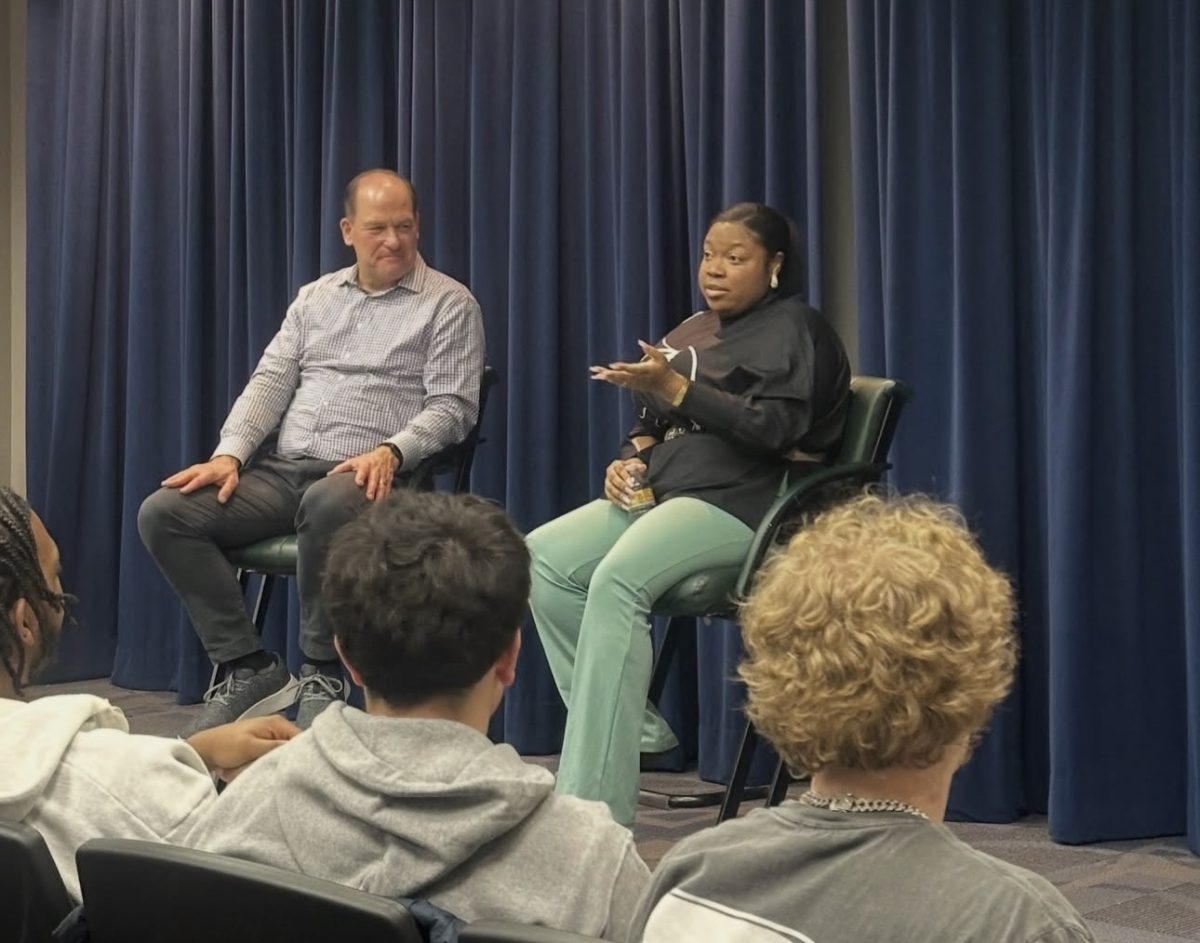
After Honig’s speech, Dr. Benjamin Dworkin, the director of RIPPAC, came on the stage to ask some pre-submitted questions from the audience, one of which was heavily based on election campaigns.
“We live in a world where it’s about the timing of prosecutorial decisions close to an election. We live in a world in which some have called ‘we have a world of a permanent campaign,” said Dworkin. “So does it make sense in this kind of political world for the Department of Justice to have a rule about avoiding prosecutorial announcements shortly before an election, when it’s always kind of ripe? I mean, what’s the difference?”
Honig responded to this question in particular by breaking down how the Department of Justice (DOJ) operates.
“It’s definitely true that we are in a constant, constant campaign cycle. One of my guests is going to be talking about democratic prospects for 2028, so I plead guilty to playing, but they’re all maneuvering as well. I mean, this is the way it works. DOJ has, you know, this is a little bit misunderstood, you will hear people talk about this DOJ 60-day rule or 90-day rule. The DOJ doesn’t do things within 60 or 90 days of an election that might impact that election,” said Honig. “It’s a little unclear. It’s not a hard and fast rule, but it’s generally a practice that says we ought to try to avoid making enough decisions that we have some choice over too close to an election, because we don’t want to tip the balance of an election.”
For comments/questions about this story, DM us on Instagram @thewhitatrowan or email [email protected]