































































































































































New Jersey is expanding its approach to immigration policy after Democratic Gov. Mikie Sherill signed a package of laws that aim to limit the state’s overall role in federal immigration enforcement and strengthen protections for immigrant communities.
The legislation, signed on Wednesday, March 25, at the City Hall in the City of Newark, formally codifies the state’s Immigrant Trust Directive into law and places clear restrictions on how local and state law enforcement agencies can cooperate with federal authorities, including U.S. Immigration and Customs Enforcement (ICE), and U.S. Customs and Border Protection (CBP). The directive had previously existed as an executive policy but is now backed by statute, making it more difficult for future administrations to reverse.
Under the new laws, state and local police are prohibited from assisting federal immigration enforcement in most cases, including sharing information about an individual’s immigration status without presenting a signed judicial warrant. The measures also limit access to nonpublic areas of the state, local facilities, and restrict the use of state resources in federal immigration operations conducted by ICE and CBP.
“These bills underscore that here in New Jersey, we still follow the Constitution and uphold the role of law,” said Sherrill.
Additional provisions aim to increase transparency during law enforcement encounters. Officers are now required to identify themselves during public interactions, and the legislation bans the use of face coverings by officers in a majority of circumstances, a move that supporters of the legislation say is intended to build public trust and accountability.
The police change comes as immigration continues to play a significant role in New Jersey’s political and social landscape. According to recent reporting by The New Jersey Monitor, immigration advocates gathered just outside the migrant jail in Newark known as Delaney Hall on Tuesday, April 2, to pray for a pastor who had been detained by federal immigration authorities last month.
Colombian native, Cortes Vasquez, 46, was detained by ICE agents on Friday, March 20. Cortes was stopped by two officers in unmarked vehicles who claimed that he’d missed his court date. Since then, Cortes has been held at Delaney Hall, which opened last May within the industrial section of Newark.
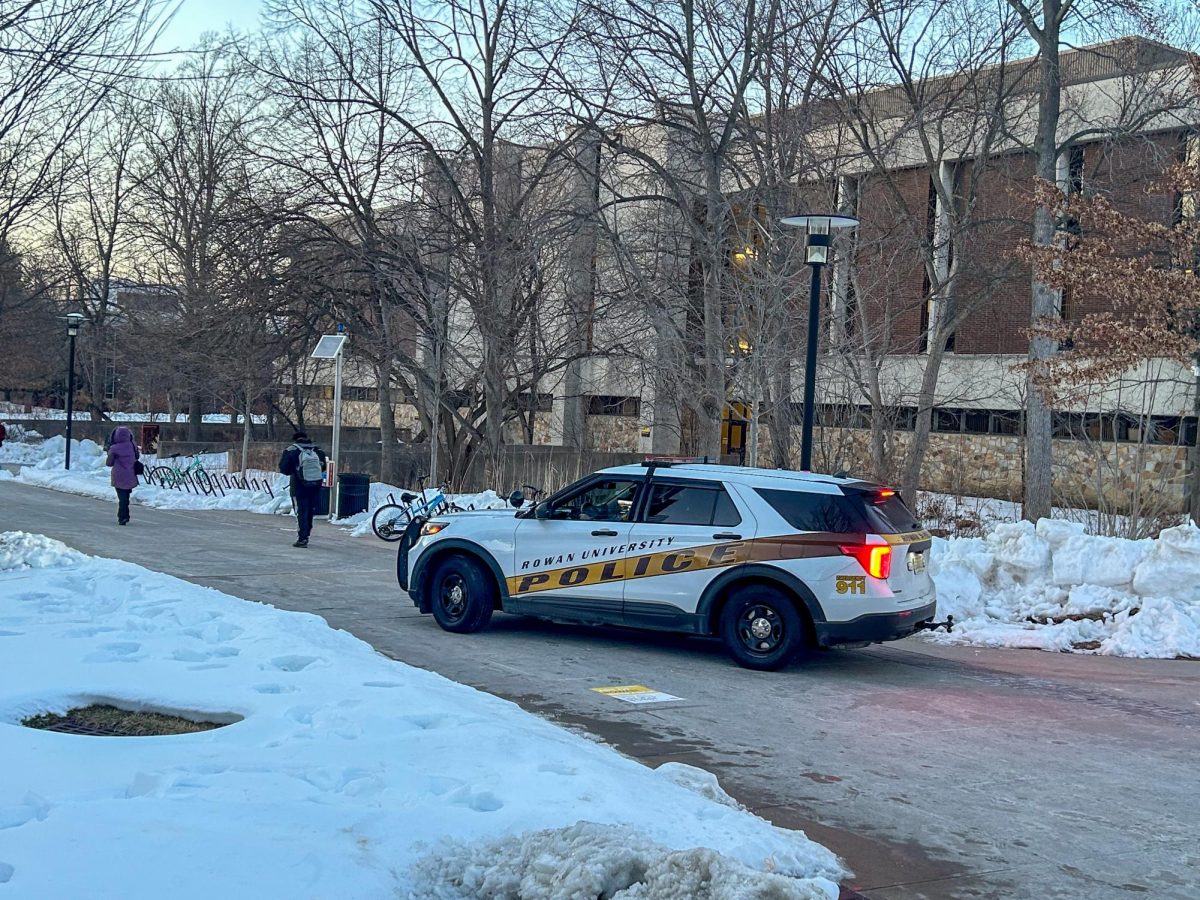
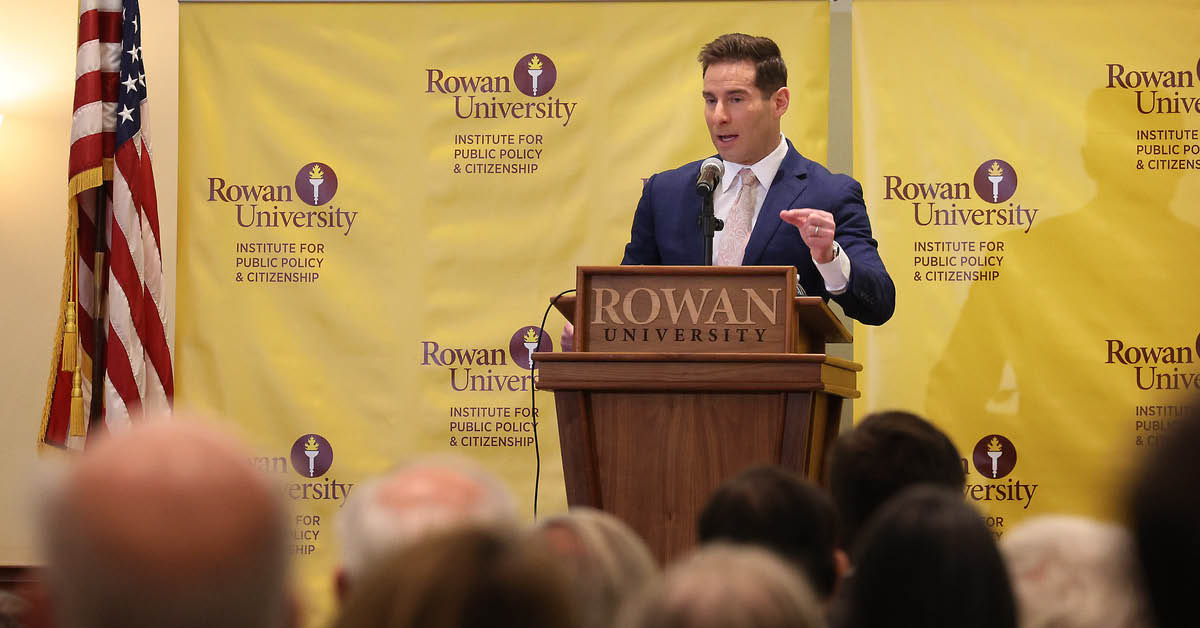
According to Dr. Benjamin Dworkin, director of the Rowan Institute for Public Policy & Citizenship (RIPPAC) at Rowan University, the issue is especially impactful in a state with a large immigrant population.
“Immigration has become a defining policy challenge because New Jersey has one of the nation’s largest immigrant populations, where nearly 25% of residents are immigrants, and approximately 450,000 are undocumented. This makes federal immigration enforcement, ICE operations, and state immigrant policy highly consequential for local communities,” said Dworkin.
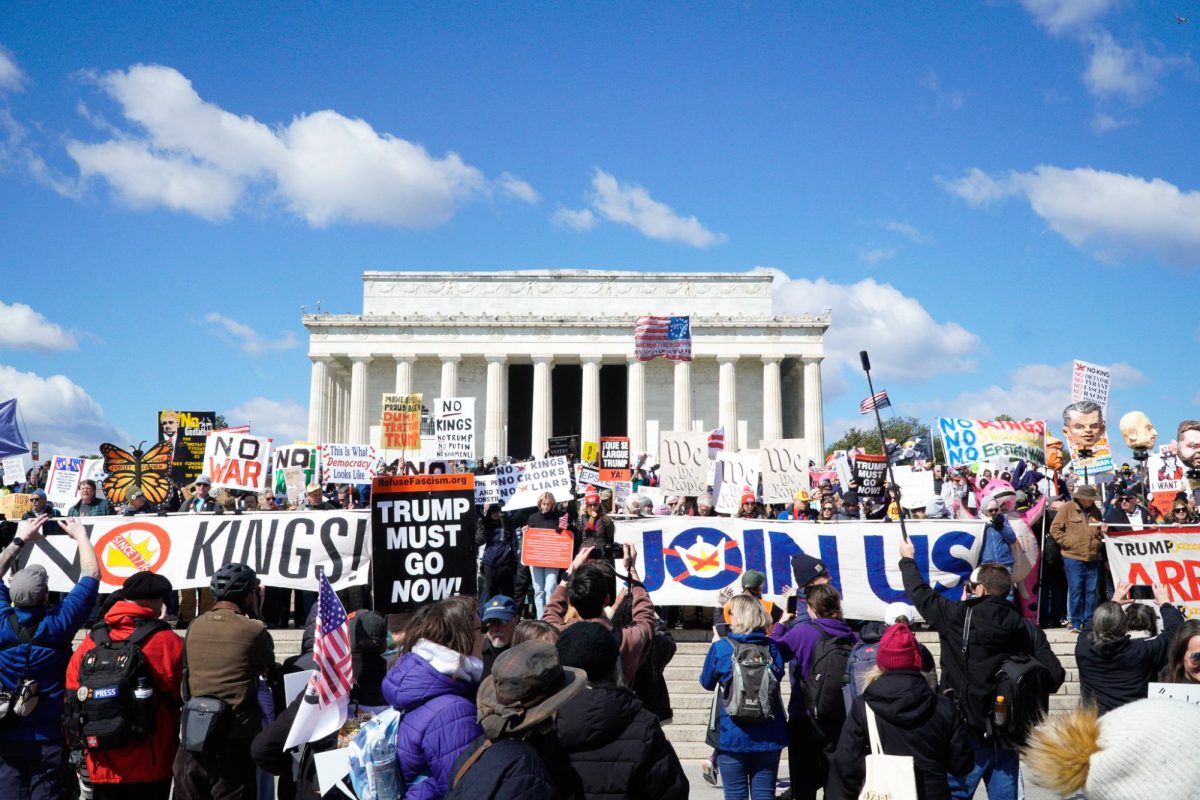
Dworkin also pointed to the tensions between the state and federal governments that have intensified in recent years, particularly as national immigration crackdowns have increased under the Trump administration. Those dynamics have pushed states like New Jersey to take clearer positions on how much they are willing to cooperate with federal authorities.
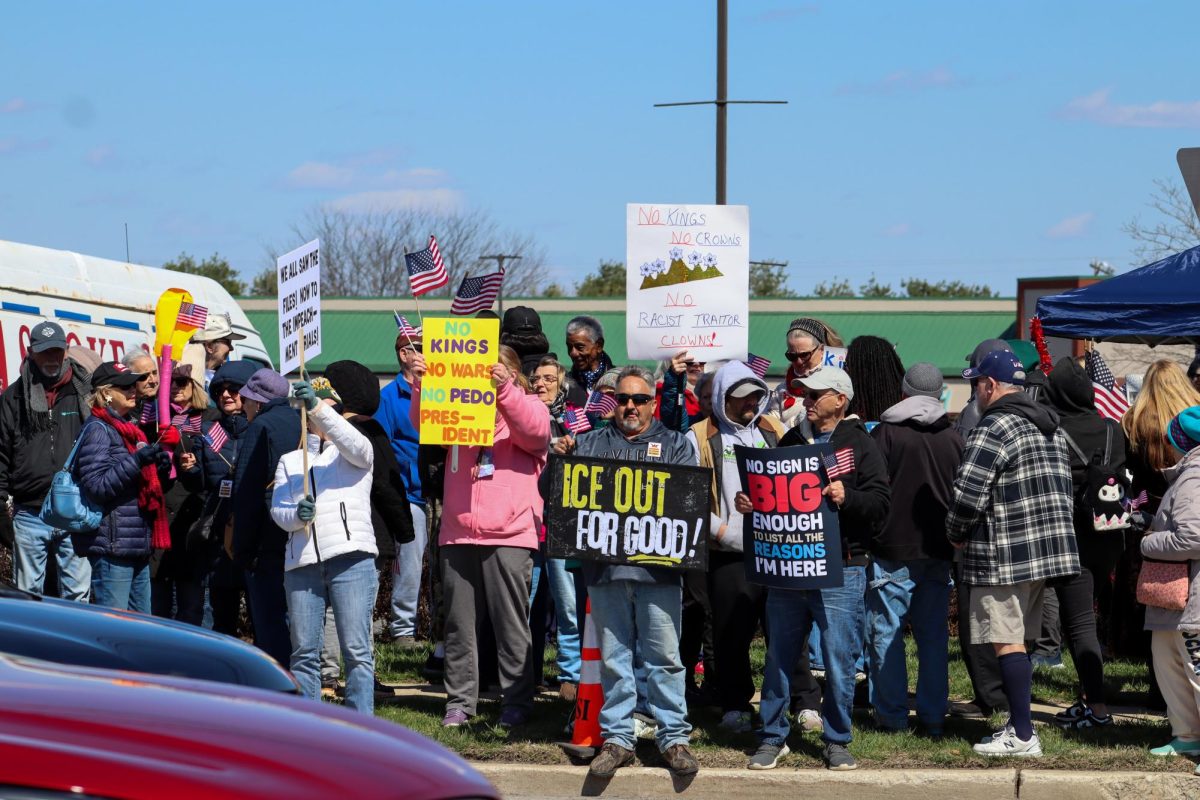
Supporters of the legislation have argued that limiting cooperation with federal immigration agencies will encourage undocumented residents and mixed-status families to interact more freely with local institutions, including police, schools, and healthcare providers.
However, the measure has also drawn criticism from some federal officials and opponents who argue that it could hinder immigration enforcement and create conflicts with federal law. Critics contend that restricting cooperation with agencies like ICE might make it more difficult to detain and remove individuals who are in the country unlawfully.
“Even though procedures have not been perfected, I think we are moving in a better direction,” said Gianna DiGiovanni, president of the Rowan Democrats
Overall, the debate reflects a broader national divide over immigration policy, with some states taking increasingly divergent approaches. Other states have moved to expand their cooperation with federal authorities, like New Jersey, which is formalizing policies that limit it.
As the implementation begins, the legislation is expected to have wide-ranging effects on law enforcement practices and community relations across the state. For many New Jersey residents, particularly in immigrant communities, the changes could influence daily decisions over how the public interacts with those public institutions.
For comments/questions about this story, DM us on Instagram @thewhitatrowan or email [email protected]