




























































In the age of new technologies and a seemingly endless amount of abilities that come with it, it is incredibly easy to get wrapped up in the wow factor of it all. But when you take a step back and see the full picture, it becomes a scary sight to behold. Artificial intelligence (AI) has been around for some time now, whether that be ChatGPT or Grammarly, which are used mainly in education or for simple voice-changing effects on TikTok. AI is involved in more of our lives than we know. As of recent months, AI has found its way to the music industry, and the hard workers who create real music are not happy.
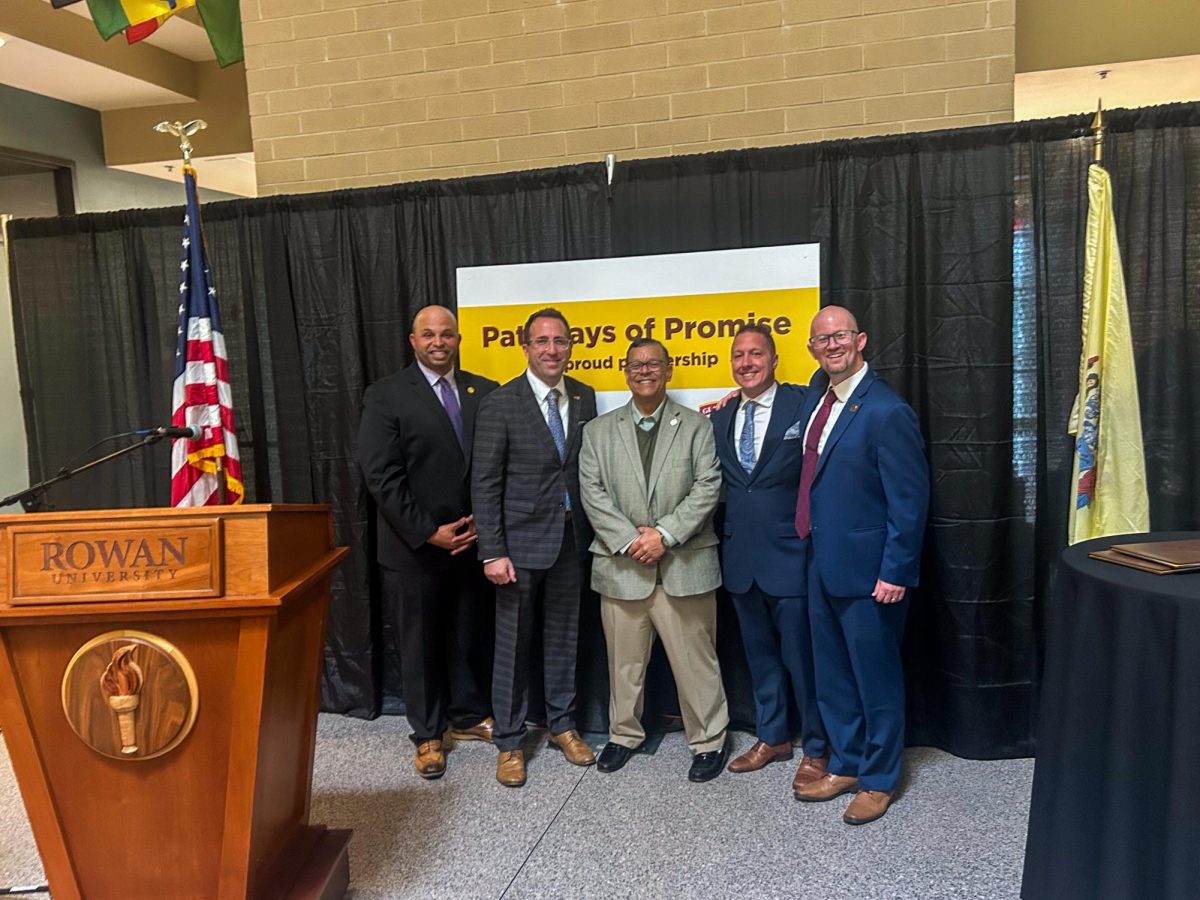
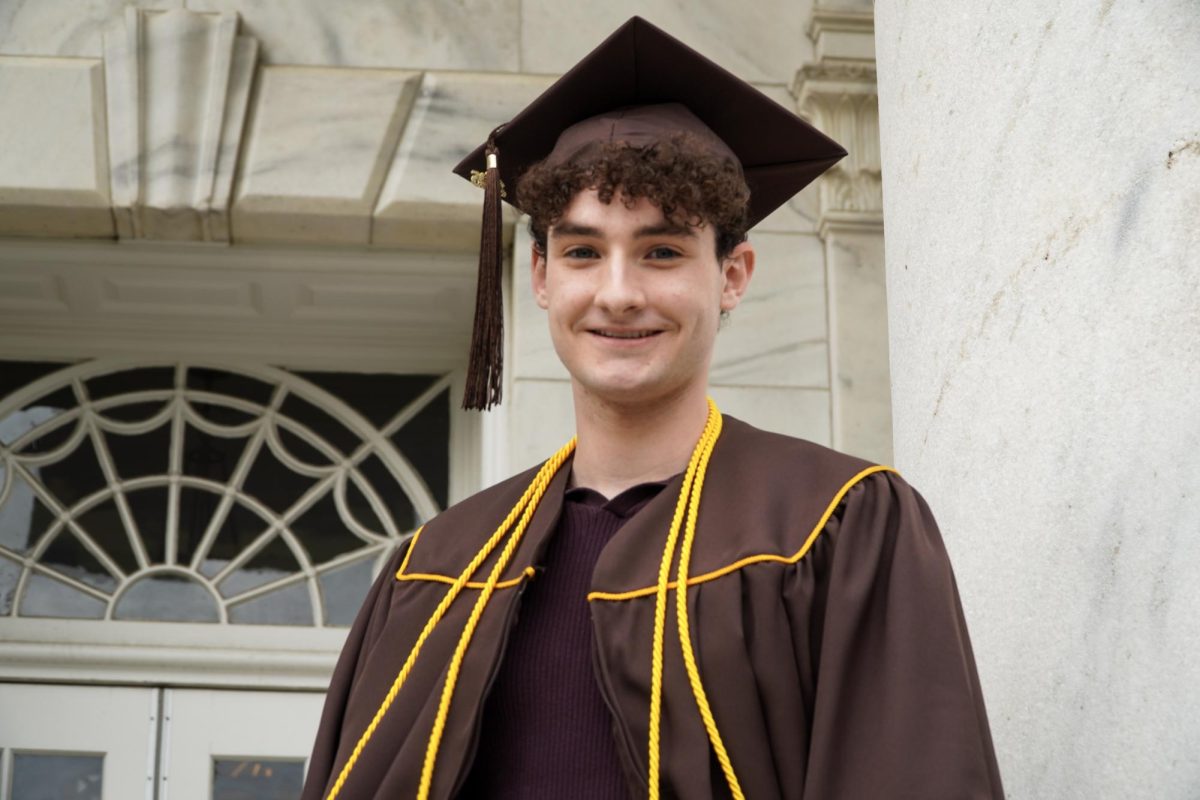
Here at Rowan University, there is a major for people who are dedicated to working within the music industry, whether that be on the technical or business side. They are here to learn all aspects of it. When you are just starting out in school, it can be frustrating to watch your field slowly be taken over by AI. All of the hard work these students have put in can soon mean nothing if the industry allows AI to be a quick way to make money and to stop employing real musicians.
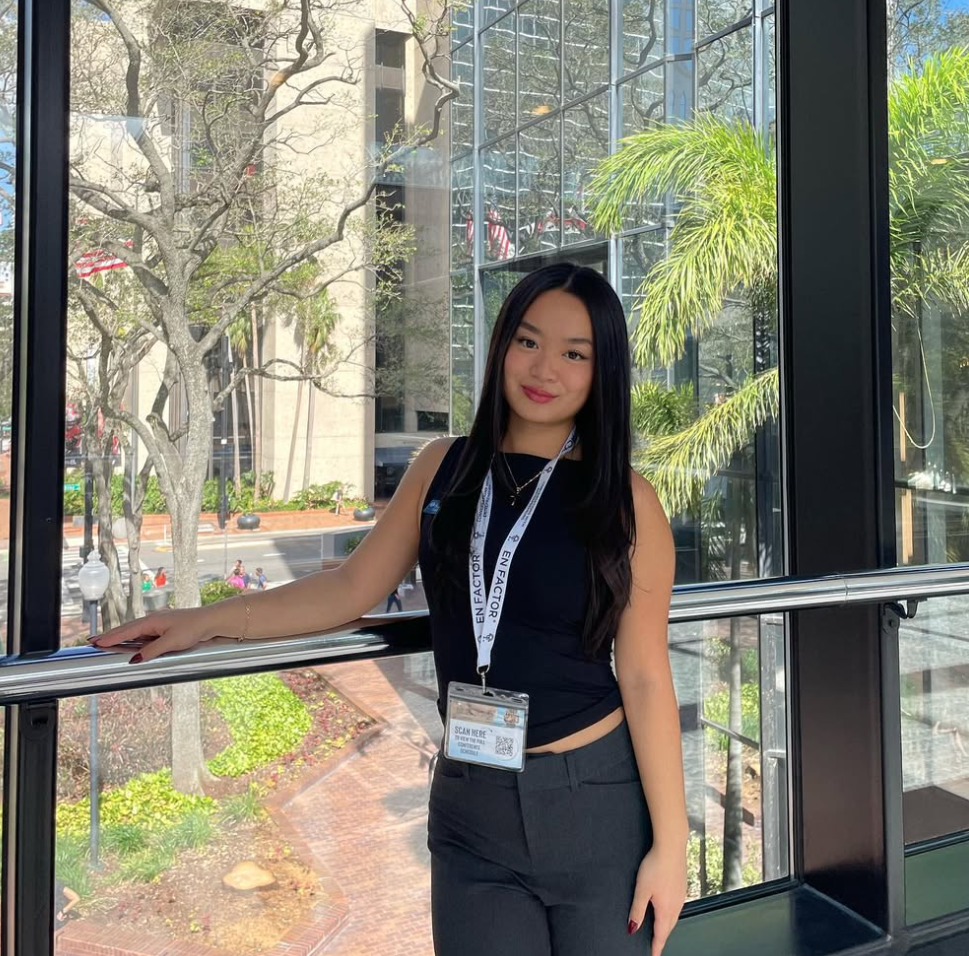
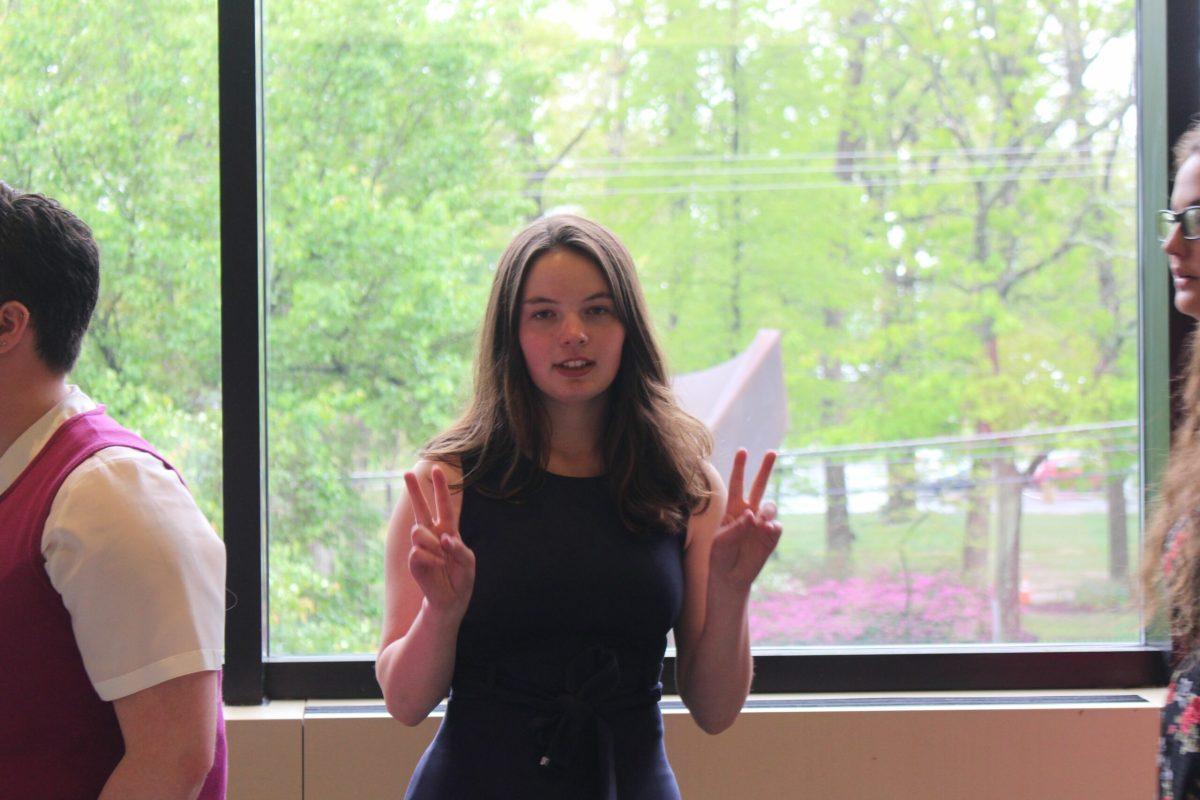
“That [the music] can be so easily created, and with any industry, it’s all about the money. So the quickest grab is AI, which can blow out a song in five minutes and then put out the next day. And suddenly after that, it’s everywhere,” said Zoe Brooks, a music industry major here at Rowan.
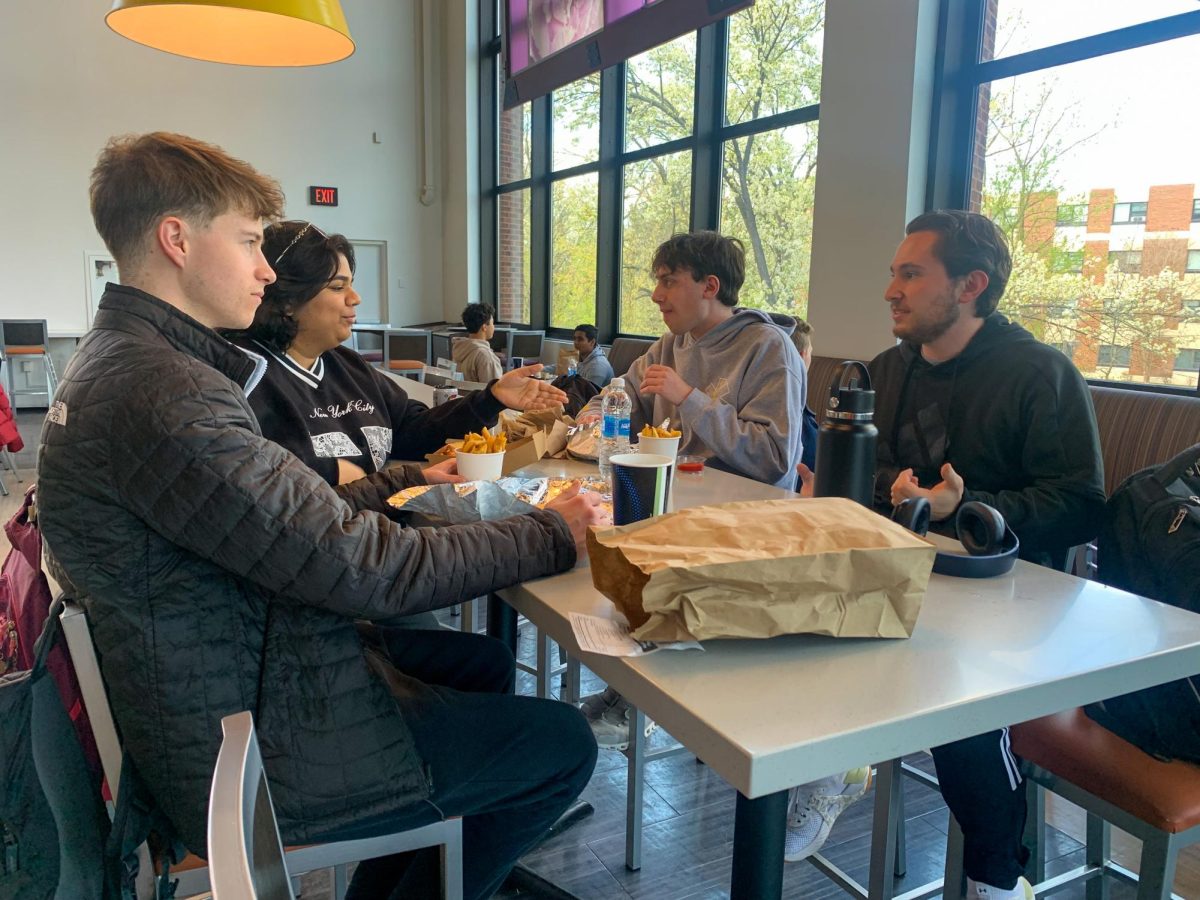
Although AI is a high-tech entity and is capable of many things, there are still skills that only a real singer can perfect. Nick Seto, another music industry major at Rowan, can tell the difference between an AI singer and a real person. There are certain vocals that AI is not able to replicate. AI tends to sound screechy and irritated, whereas real singer voices, who are talented, sound smooth and well-practiced.
“They just can’t get the quality right. Because it has to pull from all different sources to nail down a sound, it tends to sound screechy and has too many high frequencies,” said Seto.
AI, in the music industry, can be used in less damaging ways and in a way that does not diminish the hard work and quality of the real people creating music. But when there’s something at the tip of people’s fingers that will guarantee them a lot of money, they can’t help themselves. The industry has always been a harsh place, and many artists are not truly cared about.
Whether that be in the ’80s, where there were many unfair deals made with music artists, or the 2000s, where they were not being compensated for their work, the music industry has never been in favor of the artist. It was foreseeable that this would be how the industry would react to AI being so available to them. Now there is an “artist” that they won’t need to accommodate, won’t need to worry about them getting into scandals, and don’t need to compensate for the music they make. It is pretty much the dream for any money-hungry executive.
“AI is being used in a way to circumvent the creative process, and I think that’s a negative,” said Seto. “You’ve seen it in other industries with other industries, even academics, where people use it to write papers and research and don’t want to put in the actual work.”
That is what it boils down to. People do not want to put in the actual work anymore, and that is where true music comes from. Music that takes time, evokes true emotions, and has feeling within the song. AI can try as hard as it wants, but it will never truly be able to replace talented and dedicated musicians and the emotion that goes into their music. The hope is that people will recognize this and understand just how important real artists are to this industry.
“Support artists, that’s all we can do,” said Brooks.
For comments/questions about this story, DM us on Instagram @thewhitatrowan or email [email protected]