






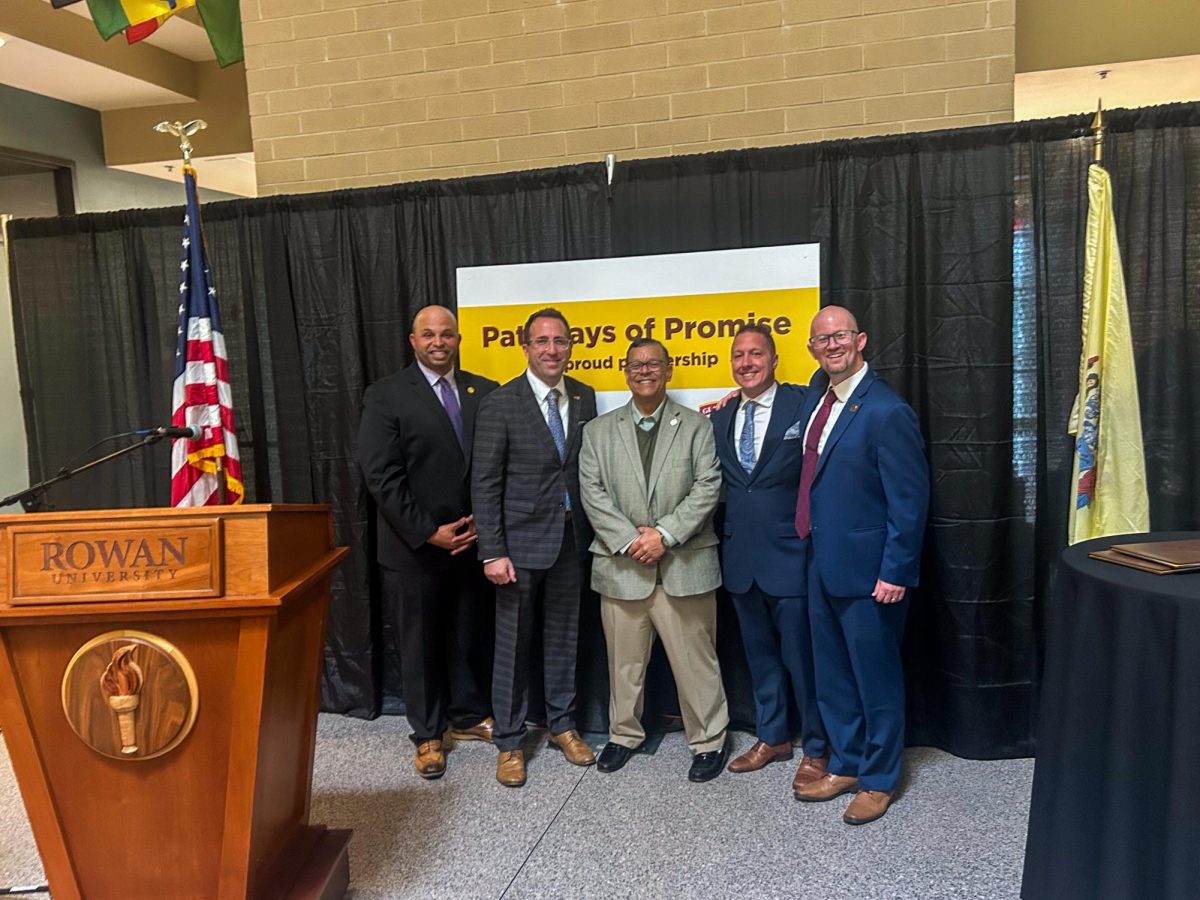











































































































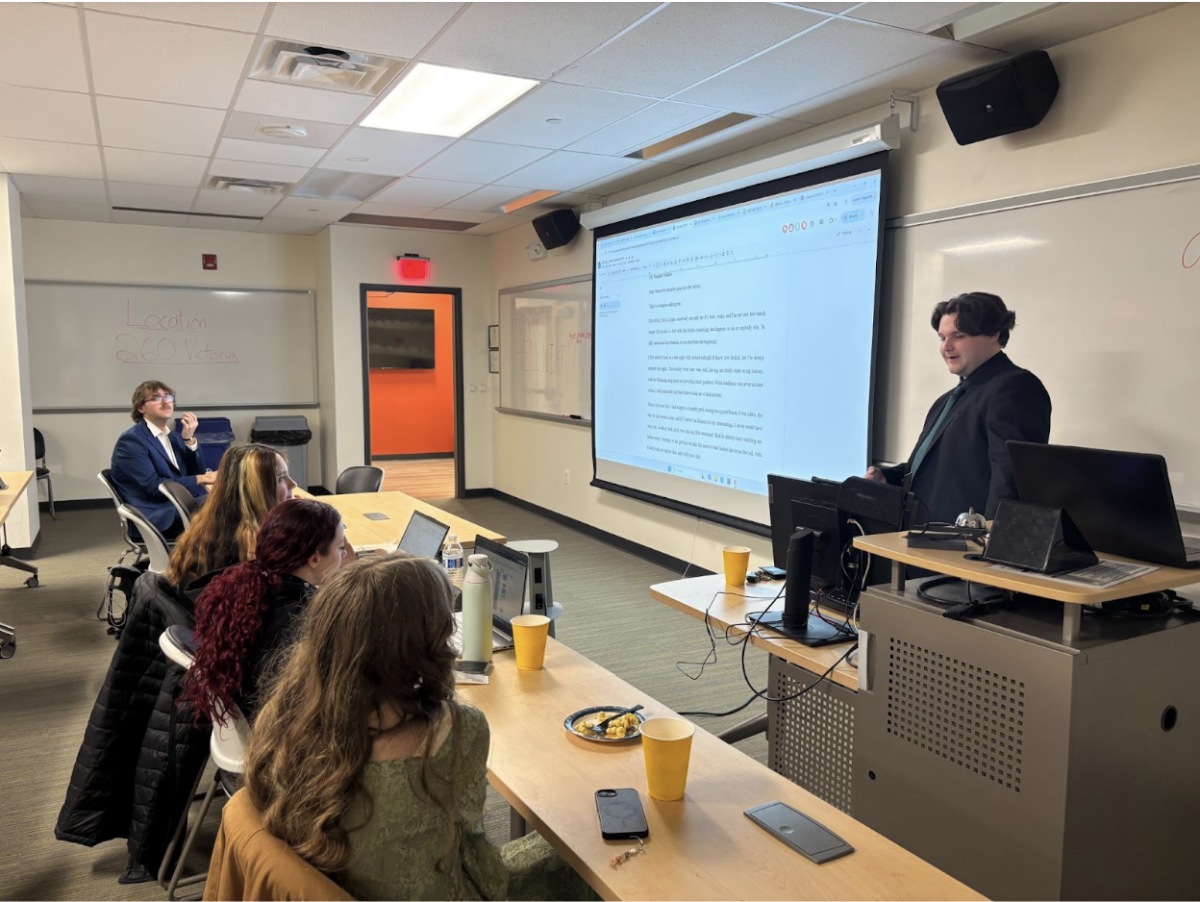





















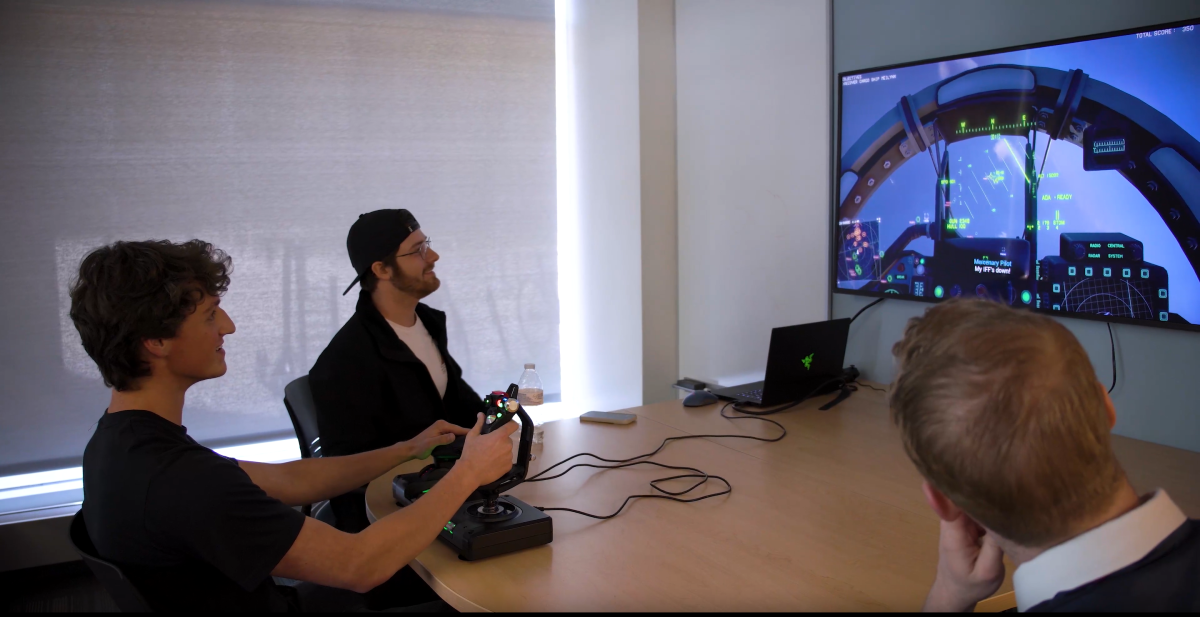





The University Senate held its first meeting of the semester, in which they discussed a new proposal titled “Third-Party Access Code and Pay-to-Participate Tools Policy Draft.”
The policy looks to establish clear standards governing the use of third-party access codes and “pay-to-participate” platforms that require students to pay a fee to participate in graded coursework. This policy would apply to all undergraduate and graduate courses offered by Rowan University, regardless of instructional modality or delivery format.
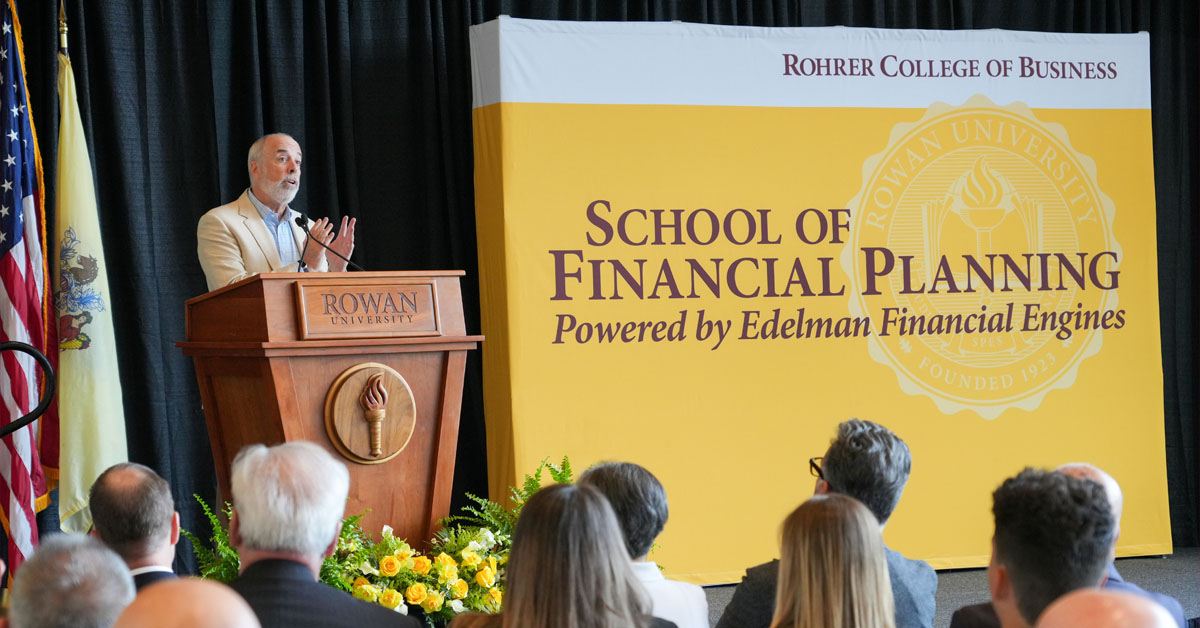
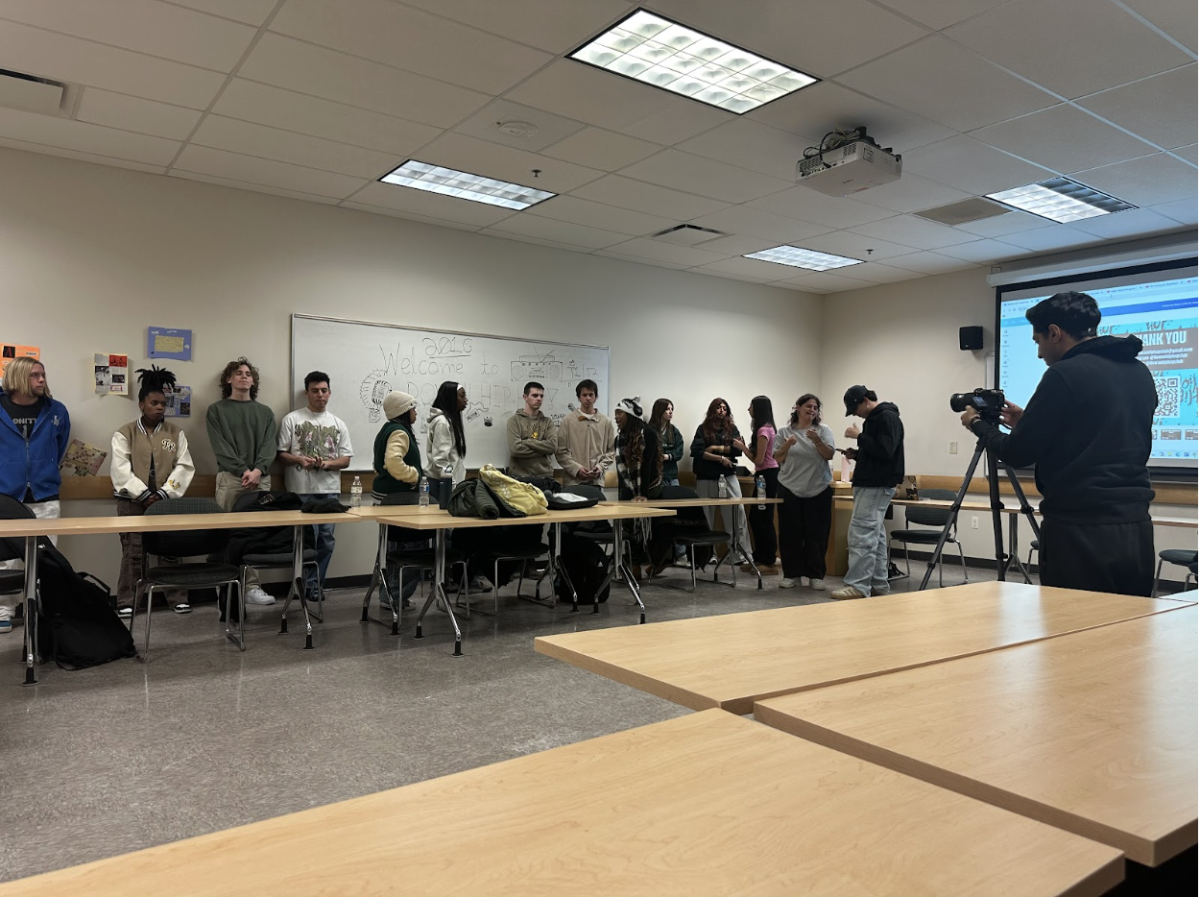
The meeting, held at the Business Hall on Tuesday, Jan. 27, opened the floor for discussion from senators and other Rowan University faculty about the proposal. According to Senate President Bill Freind, this comes after several complaints throughout the years from students and faculty about textbook prices and concerns dating back to before the COVID-19 pandemic.
“Six or seven years ago, it was before COVID, we had a number of students coming to us to complain that they were sometimes required in classes to pay money for access codes. For quizzes, exams, things like that. So the Senate Exec tried to go over the policy, and it just didn’t work. It was too clumsy, it didn’t work, so we let it go, especially with COVID, and that kind of went by the wayside,” said Freind. “That’s why we’re here today.”
Senate members joined in discussion, with common suggestions of the new policy being that the name is too broad and does not represent what the proposal actually means.
“It’s going to potentially bias people in different directions that may not exactly reflect what the policy is trying to get voted, right? So, particularly, I will take issue with the pay-to-participate portion of the name. I would suggest we change it,” said Senator Greg Caputo.
Others at the meeting, such as Dr. Natalie Reaves, an associate professor of economics, took issue with the proposal, seeing it as an infringement on the way teachers conduct their classroom, and arguing that the price of textbooks is marginal compared to the rest of the tuition, and that there were lack of complaints from colleges like Rowan College of South Jersey (RCSJ) because the price of textbooks were included in the tuition and fees.
“I can’t believe you’re trying to tell me how to teach my classes. This is a safer space. And I think we, representing the economic discipline, believe this is the best platform for our students,” said Reaves.
Others were quick to comment on the students’ need for as much financial aid and support as a growing need for a policy like this.
“If you leave this, you need to read this thing on day one, and it costs you, even if it’s just $20, if they are already budgeted out, and your financial aid is not gonna kick back for six weeks, that is unlimited, right?’’ said Samantha Kennedy, an information literacy librarian at Rowan. “You have a lot of students living below the poverty line, whether you want to acknowledge it or not.”
Other topics that were discussed included Freind mentioning the probability of ceasing their contract with Barnes & Noble.
“It’s not clear that Barnes & Noble is gonna be around much longer. Their stock price has plummeted,” said Freind. “So we are talking to a group called, I think, Ebooks that a number of universities are using.”
The next University Senate meeting, which will take place on Friday, Feb. 13, will include a second reading, followed by a vote for the “Third-Party Access Code and Pay-to-Participate Tools Policy Draft.”
For comments/questions about this story, DM us on Instagram @thewhitatrowan or email [email protected]






Johnonathon • Jan 29, 2026 at 12:16 pm
This article changed my life and cured both my children of cancerous depression.