











































































































































The ban on phones in schools has been an ongoing debate since phones moved off the walls and into pockets. Although within the last six years, since the COVID-19 pandemic, it has become a debate across the country about whether or not students should be allowed to have access to their phones during the school day.
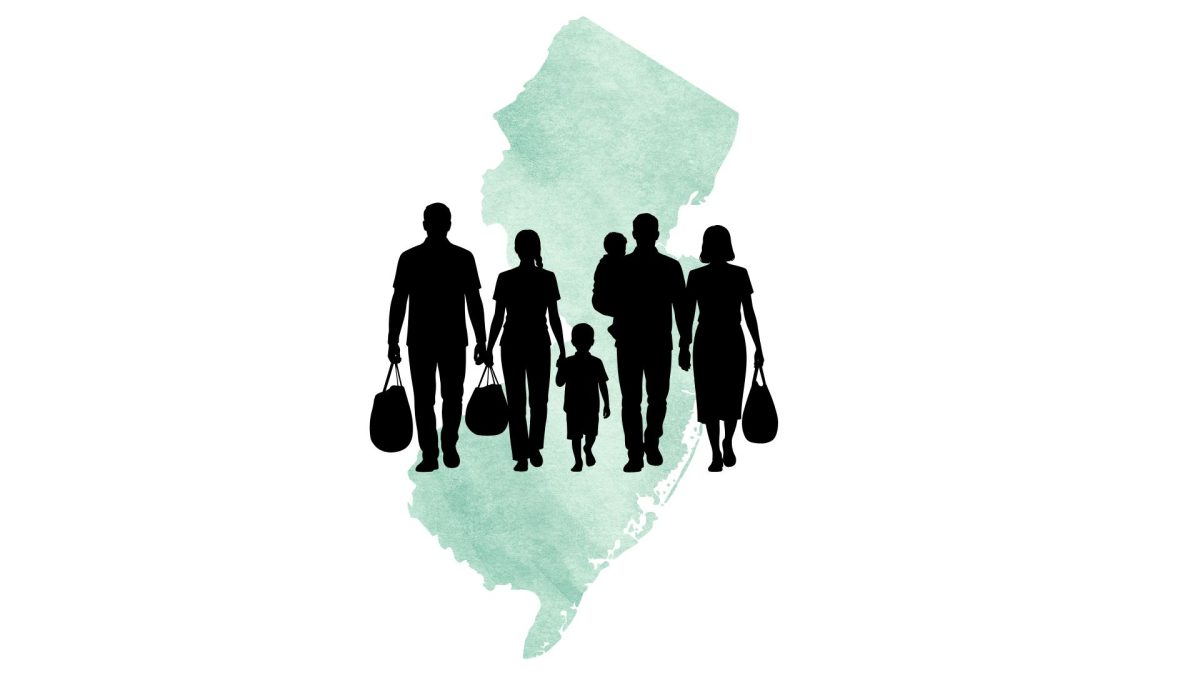
Before former New Jersey governor Phil Murphy left office, he signed a bill to ban phone usage across all schools in New Jersey, not applying to colleges and universities in the state. This includes phone usage during school hours, on buses, or internet usage with any internet-driven device. This was done so that students are socializing more, focusing more during class, and so students’ anxieties while in school are lowered.
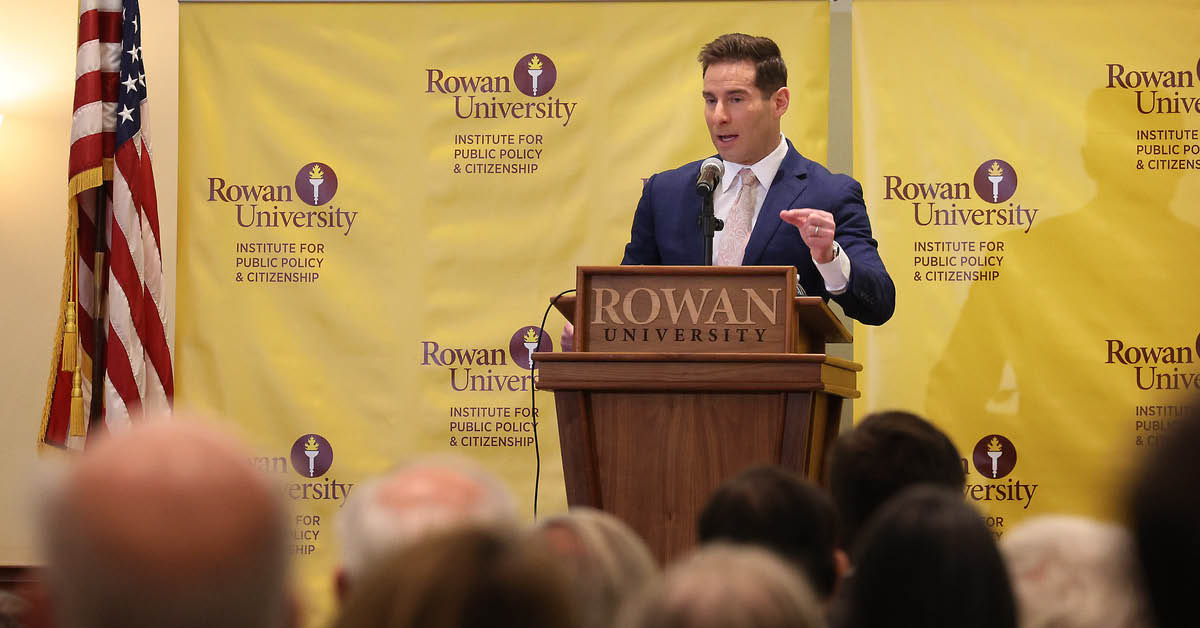
“When you talk to educators and parents in school districts that have enacted similar cellphone bans, you will often hear the same thing. Students are more focused, they’re less anxious, and they are socializing and laughing with each other, not through a screen, but in the hallways and classrooms,” said Gov. Murphy. “So with the legislation I’m signing today, we’re going to fundamentally improve the learning environment for every K-12 student by requiring every school district to follow the lead of campuses just like this one.”
Teachers in today’s classrooms see the positive impact of the legislation as well as the negative repercussions that their students could face. With the spike in school shootings in America, it is a necessity that students are able to reach their loved ones in the case of a life-threatening emergency. In 2023, there were 10 school shootings in only 23 days into the new year, which set a record for the number of shootings at the start of the year.
“I don’t necessarily think it will negatively affect the safety in schools,” said Amy Saco, a Spanish teacher at Parsippany High School. “Phones can also be negative in the event of an emergency involving incorrect information being given to parents and families if an emergency occurs. As sad as it is, drills are constantly being done in schools, and students are aware of the procedures of what to do in the event of an emergency.”
There are a few factors to take into consideration when debating the new phone legislation, one of the more important ones being who the legislation directly affects. There is a greater difference in phone usage between a kindergarten classroom and a ninth-grade Spanish class, as most higher-level classrooms already incorporate technology into their lesson plans. The usage of Chromebooks has been in classrooms for the past decade and has evolved into MacBooks as the years have gone by, especially for schools that have more money to spend. With this new legislation, schools will no longer allow internet on these laptops, serving strictly for educational purposes.
Students of Rowan’s College of Education look to their future in teaching and now must adapt to this law. Their goals for future generations of students are to create an engaging space for learning without having to fall back on technology.
“Looking to my future as a teacher, I plan on teaching kindergarten to second grade, and while most people think that this will have no effect on those students, it does. I plan to make my classroom as engaging as possible,” said Keyirrah Wilson, an early childhood education major at Rowan. “I know it can be a little daunting, phones are like an automatic crutch that we all go to. But as an early childhood educator, I want to make my classroom a place of having intentional interactions with each other.”
Ultimately, the phone ban must be carefully curated for students to get the best engagement and learning experience possible while still keeping in mind the safety of students throughout the state.
For comments/questions about this story, DM us on Instagram @thewhitatrowan or email [email protected]