

































































































































In 2019, the state of New Jersey passed the Hunger-Free Campus Act, with goals of allotting approximately $1 million per year to combat student food insecurity in the state. Since then, New Jersey has awarded upwards of $6 million to public and private institutions across the Garden State.
For Rowan University, last year was the fourth time the school received a grant from the state through the act. This most recent round consisted of $27,500 given to the university.
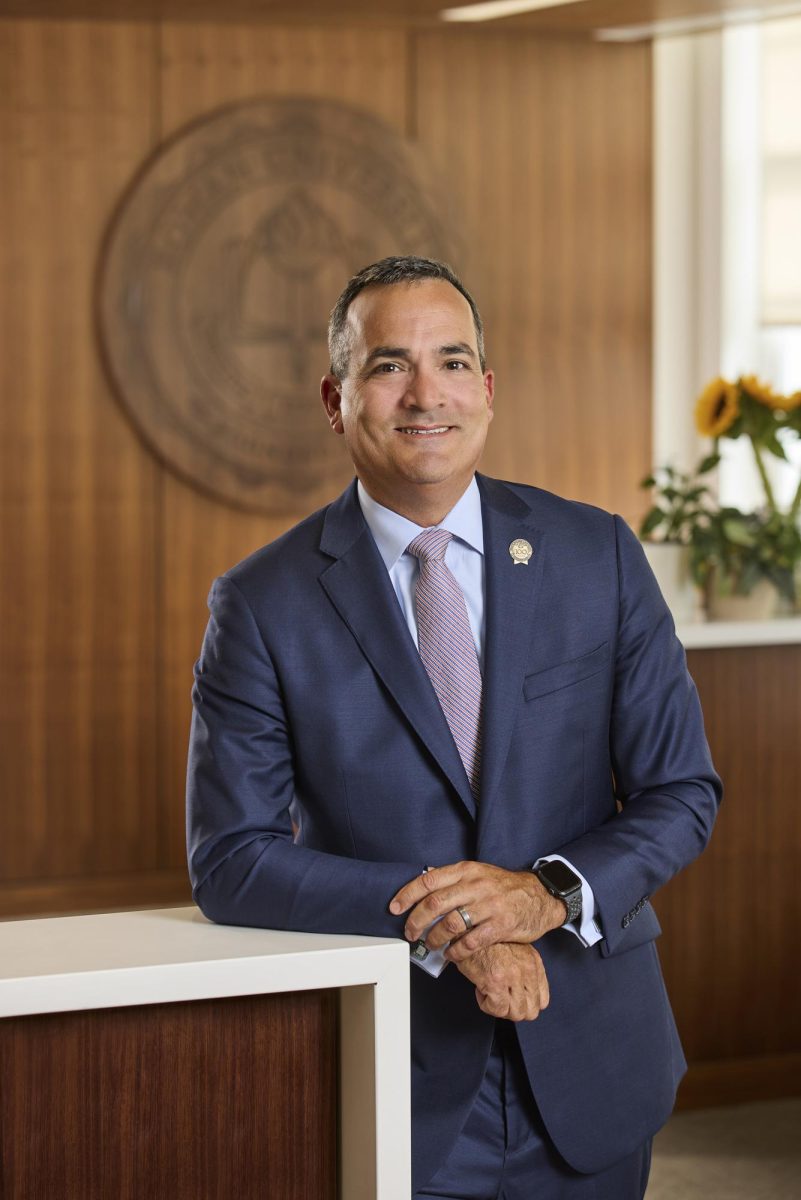
“What we’re doing is very unique with this grant,” said Dr. Justin Major, an assistant professor for experiential engineering education as well as the primary investigator for this grant. “We are doing something very different than any of the other campuses are doing.”
What has been so different about Rowan University’s use of this grant money, and more importantly, why is an engineering professor the primary investigator of this grant regarding student food insecurity? Well, the answer to both of these questions ties together.
Dr. Major has been the primary investigator for Rowan for the last three times it has received this grant. As the primary investigator for the grant, he is responsible for reporting back to the state regarding how grant money was used and changes that came about because of the grant money.
Now taking on this role for a third time, Dr. Major wants to “take research and engineering practice to create solutions that are going to result in actual change here on campus.”
So, what have past iterations of this grant resulted in, and why does the state find Rowan’s use of the grant so interesting?
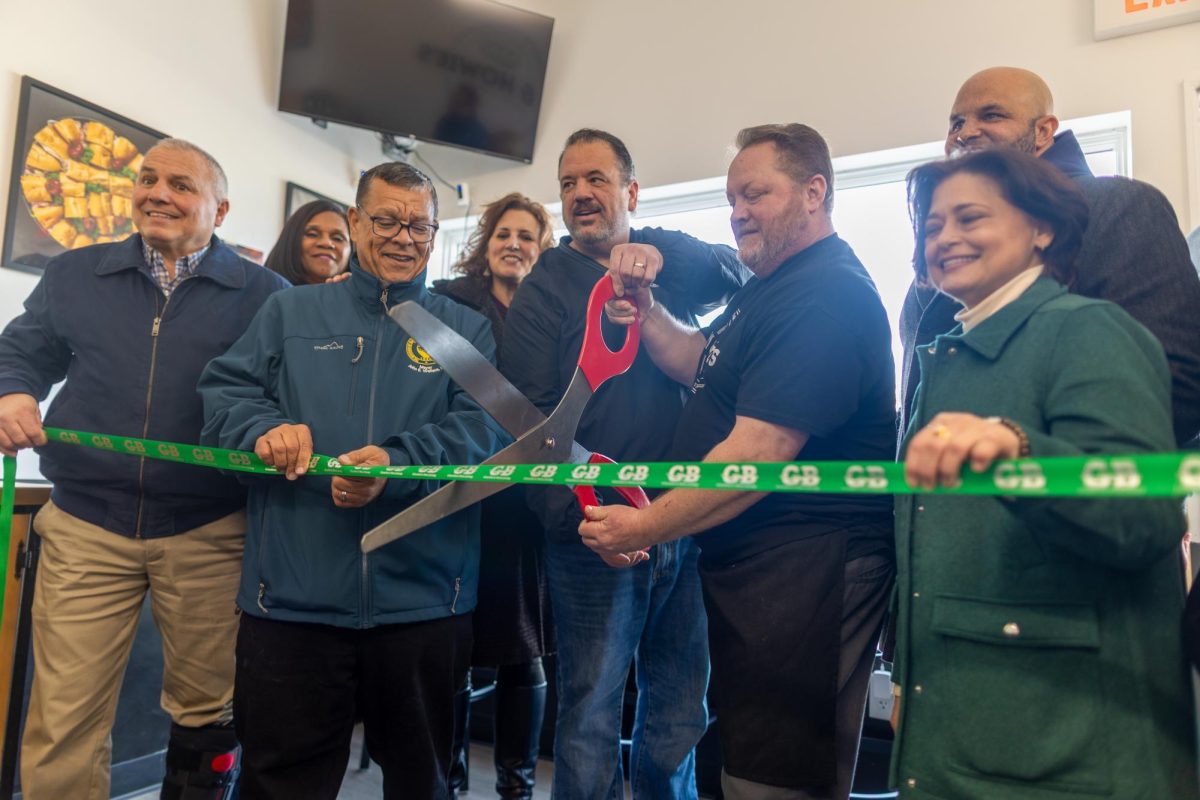
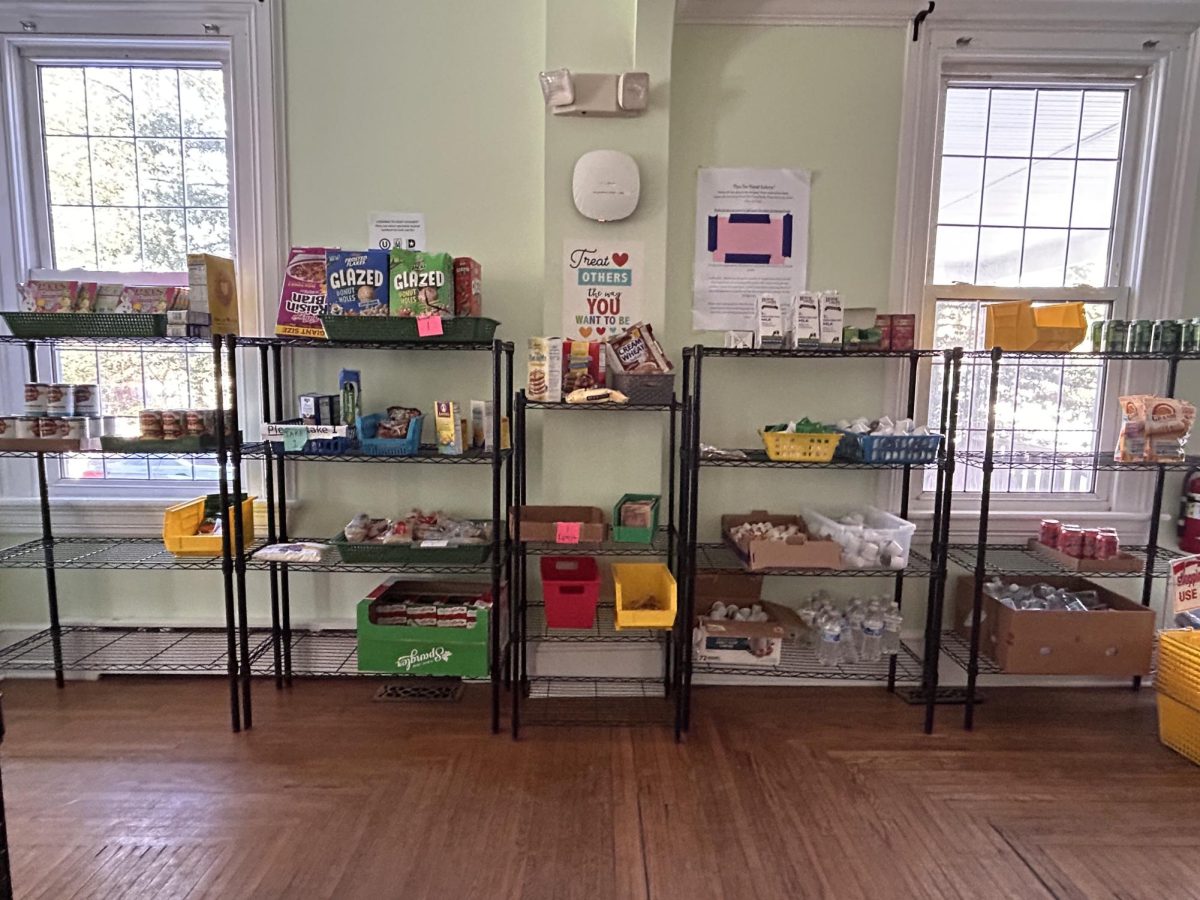
The initial grant was the largest sum the university has received, $100,000 to be used to develop the student pantry program on campus. This started with the renovation of the current building, where Rowan’s student pantry, The Shop, is located.
“What makes our grant unique is the research that Dr. Major does,” said Andrew Perrone, the assistant director for the Office of Volunteerism and Community Engagement at Rowan University.
With the research done in past grants, Dr. Major was able to identify concerns regarding student accessibility to The Shop.
“We did learn from some of our students that the pantry is not always accessible for students who are on the spectrum or are neurodiverse,” Perrone said. “So he [Dr. Major] is doing some research into accessibility concerns for students with food insecurity.”
The most interesting finding for the researchers has regarded the student population that uses the Shop on campus.
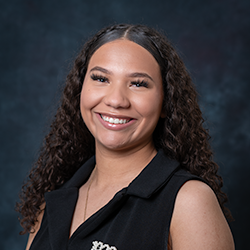
“In the preliminary work that they did with some interviews, they had noticed that there was a large population of neurodivergent students who used The Shop on campus for some of their grocery shopping and other dietary needs,” said Heather Malino, a graduate research student within the experiential engineering program working on the grant research.
With these initial findings, both Malino and Dr. Major have set out to find what can be done to ensure The Shop is as accessible to as many students as possible.
“There’s a big component of neurodiversity that is around sensory things, and that can also lead to restrictions in what neurodivergent students eat,” Malino said. “So with this new research, we want to know things like ‘Why do they go there?’ ‘What do they eat?’ ‘What is their experience like with food?’
For Malino and Dr. Major, they will be spending the next five-to-six months researching, interviewing, and collecting data, with hopes of potentially publishing their findings.
“There’s a possibility that maybe we’ll want to do a small publication in a journal article,” Malino said. “Or maybe talk about it at a conference like ‘Hey, this is what we found with neurodivergent students at Rowan in regards to their food and hunger needs.’”
Not all the money from this grant will go into this research, though, with renovations to the accessibility ramp at The Shop expected to take place within the next month through funding from this grant.
On top of that, leftover funding from the grant will be used to ensure a more consistent supply of staple perishable items.
“So we always provide the milk, but if we could have more consistent eggs, butter, cheeses, yogurts, it’s some of those perishable items and fresh items that they’re looking for,” Perrone said. “So, we’re going to start to use the grant to do that.”
With the university using this grant money unlike any other higher education institution within the state, and the findings of the initial research only leading to more research opportunities, it is likely this is not the last time Rowan will receive grant funding through the Hunger-Free Campus Act.
For comments/questions about this story, DM us on Instagram @thewhitatrowan or email [email protected]