










































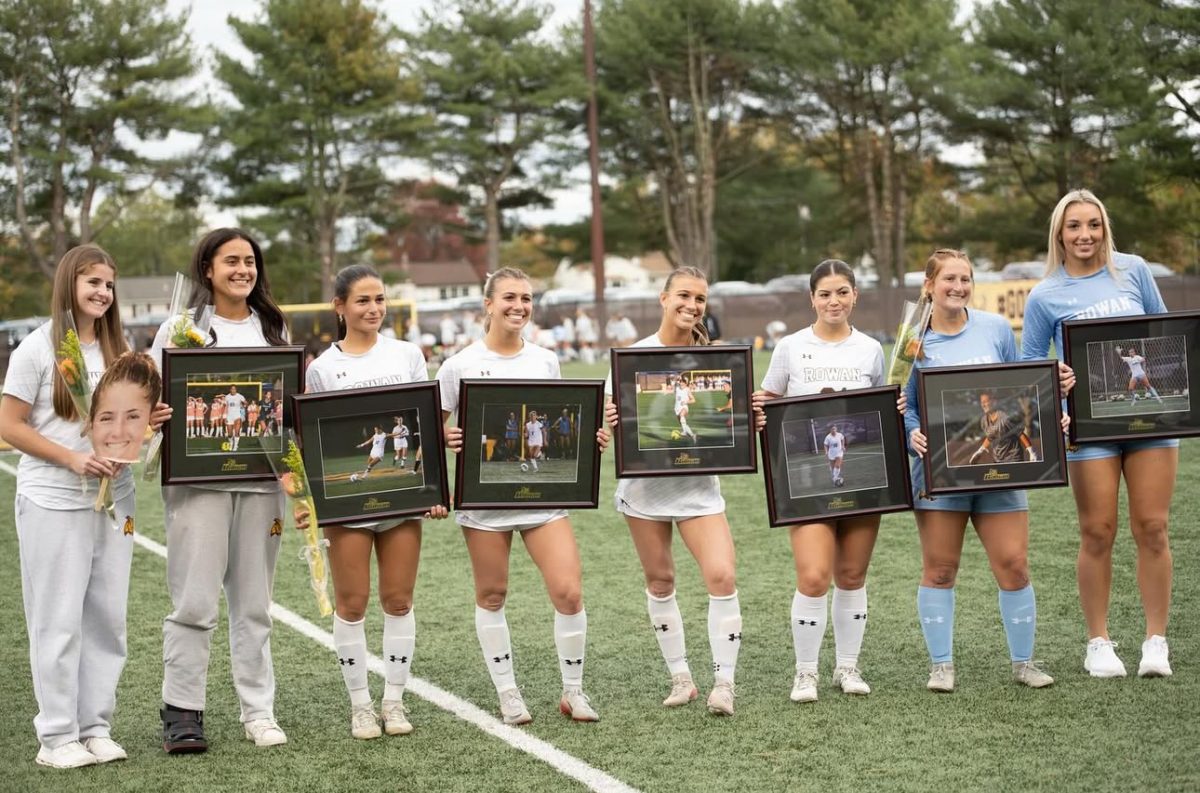

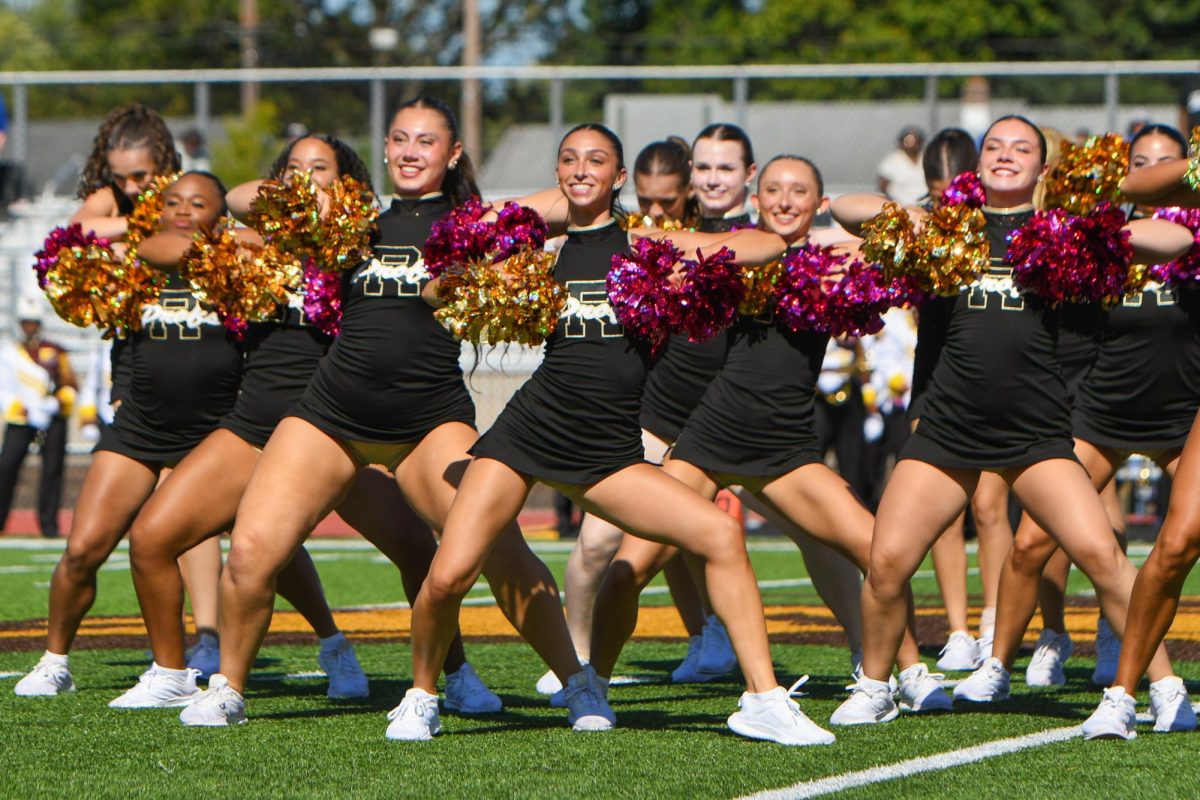




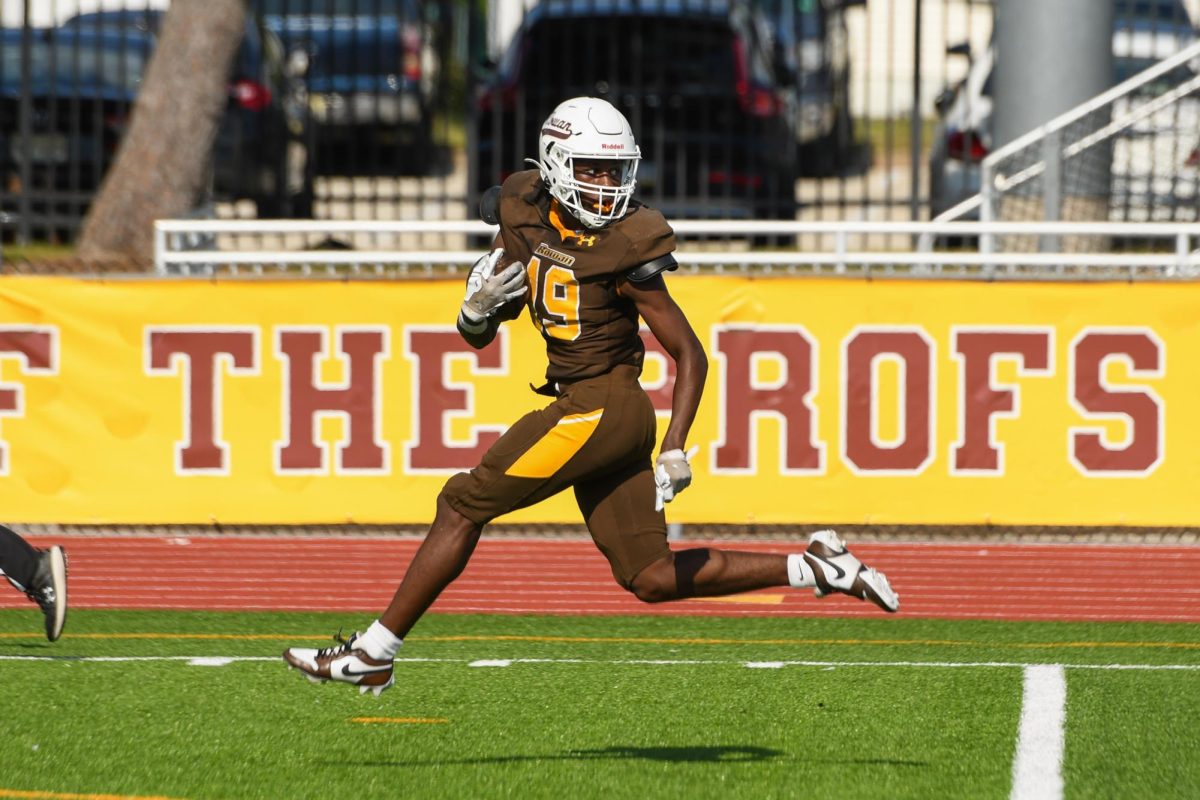

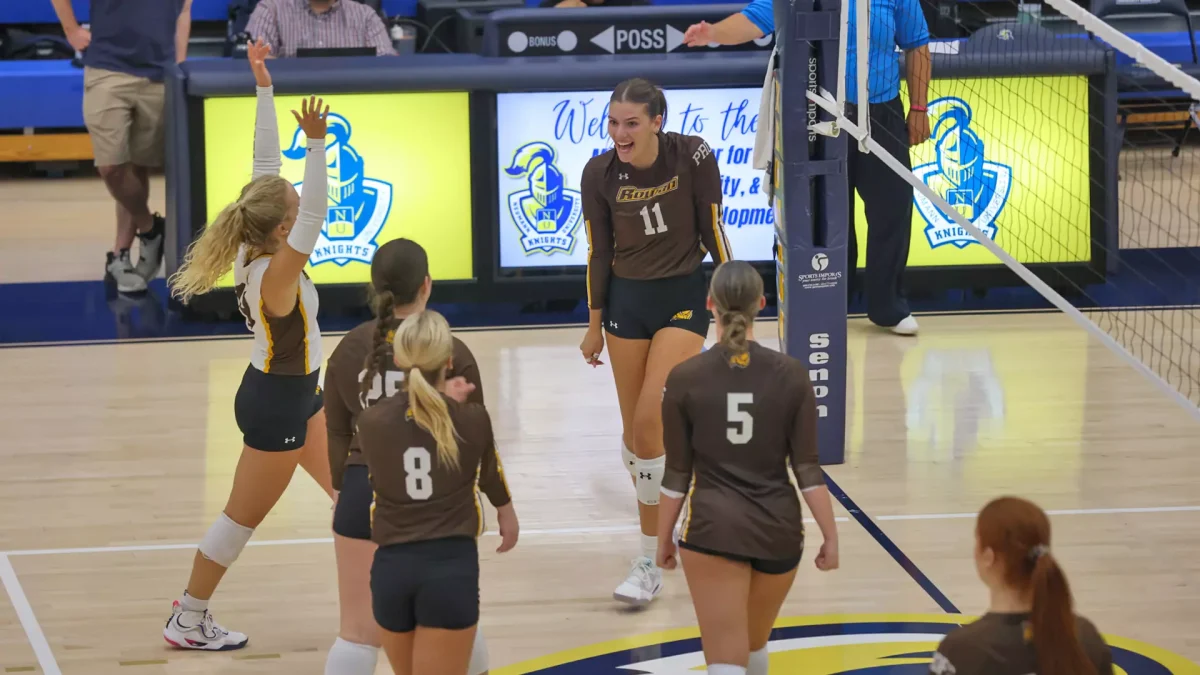













































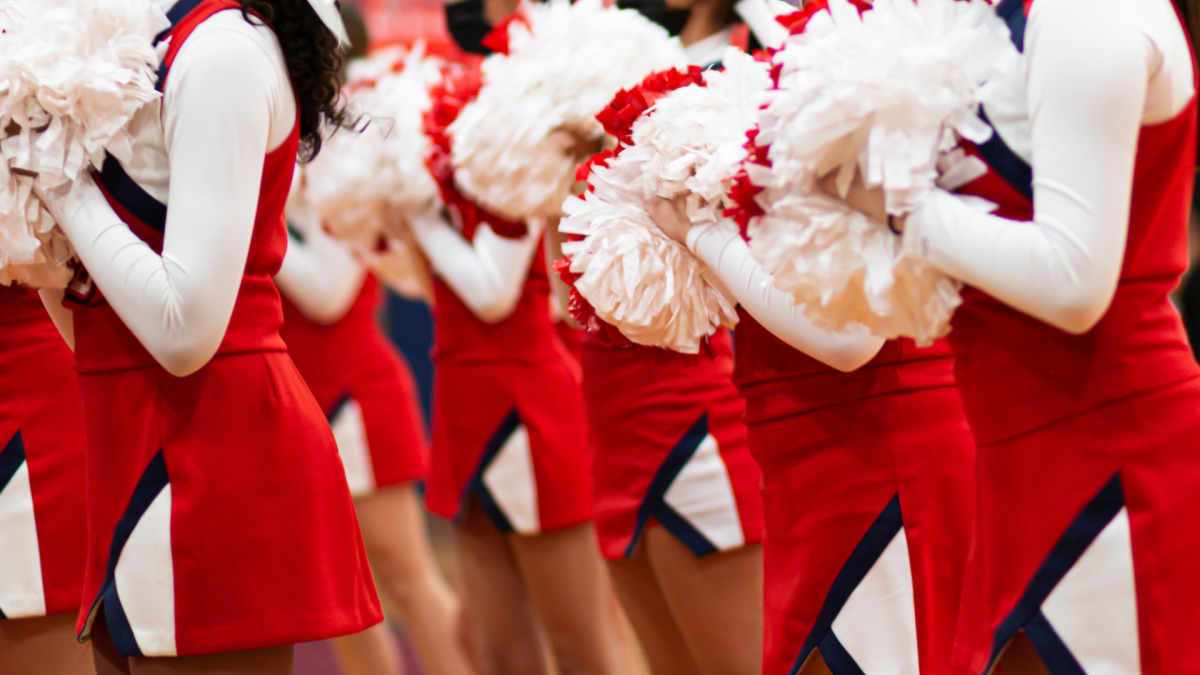
At college football games, many fans come out to show their school spirit, though they often overlook the athletes cheering on the sidelines.
While football players receive an upwards amount of respect and recognition for their sport, college cheerleaders, who often compete at advanced levels nationally, train rigorously and devote a large time commitment to their team, are rarely credited anywhere near the same extent.
College cheerleaders deserve significantly more credit for the dedication they put into their practices and performances. The competitive elements and intense demands put on cheerleaders also highlight how cheerleading should be recognized as a legitimate sport.
Many cheerleaders often have to argue whether what they train for all year is a sport or not. This is due to cheerleading not being universally classified as a sport by the NCAA and IOC, with a long history of debate over this reason.
In 2010, a federal judge in Connecticut ruled that cheerleading is not a sport under Title IX after finding in the landmark Title IX class-action lawsuit Biediger v. Quinnipiac University that the university violated the law when it pulled funding from its women’s volleyball team to support a competitive cheerleading squad.
The main reason why cheerleading was not officially recognized as a sport in this lawsuit was that the school failed to provide equal athletic participation opportunities for women. However, this case did not fully assess cheerleading’s legitimacy in the world of sports. This ruling came to be because the university mismanaged its athletic programs. If both programs were properly supported by the university, this case most likely wouldn’t have come up.
If this lawsuit were just based on cheerleading and if it were a sport, the facts presented on cheerleading would most likely prevent the courtroom from dismissing the conversation about cheer so quickly.
While the judge in the Biediger v. Quinnipiac University lawsuit argued that competitive cheerleading was too underdeveloped and disorganized to be treated as offering genuine varsity athletic opportunities for students, it has been over a decade since this lawsuit, and cheerleading has evolved far more since 2010.
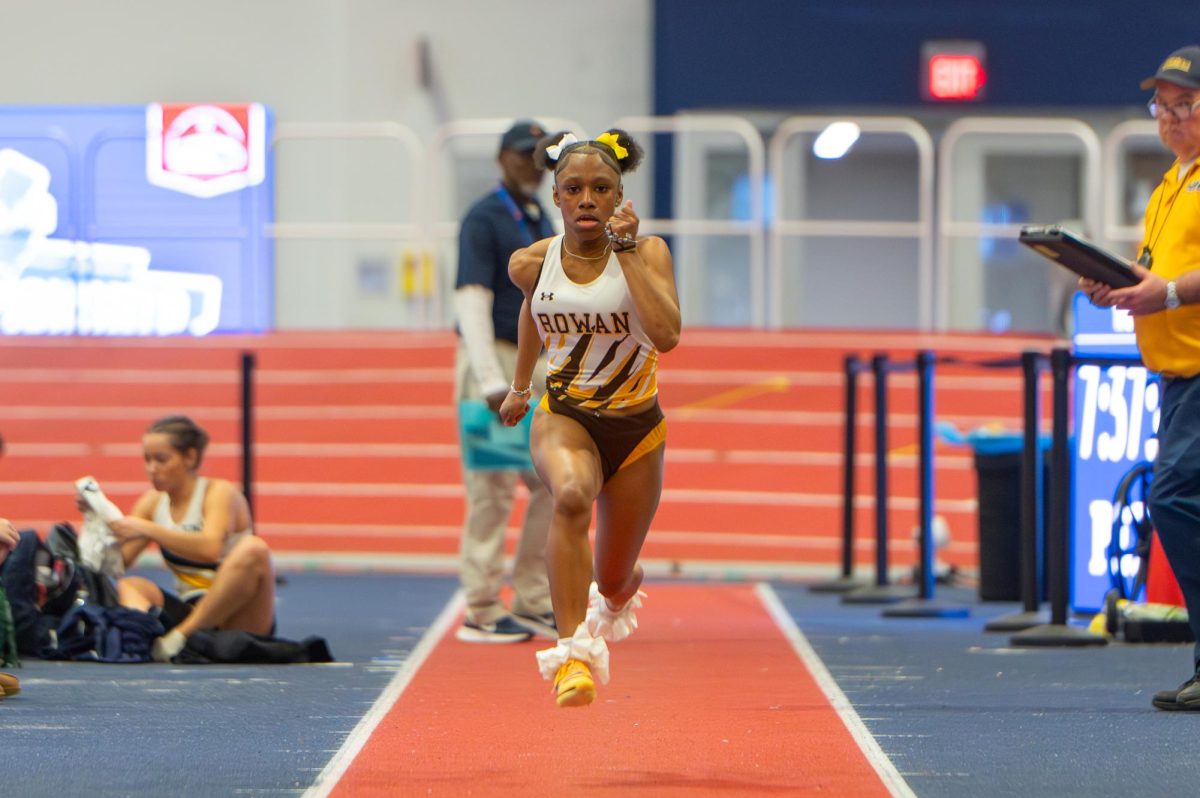
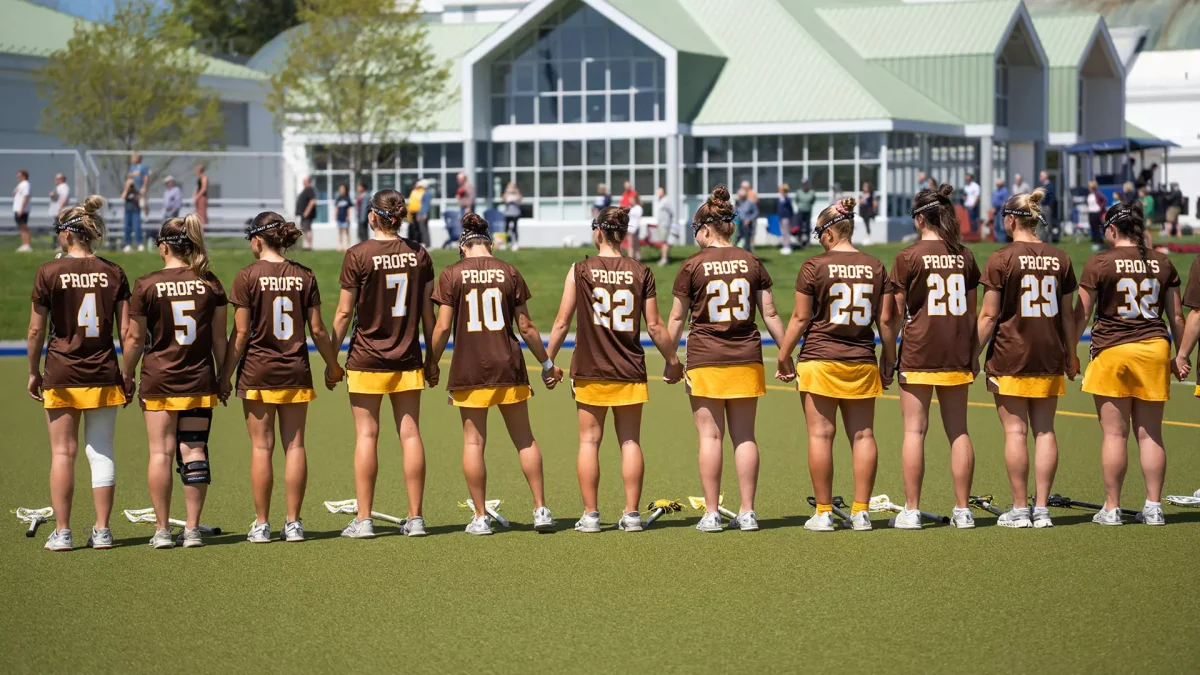
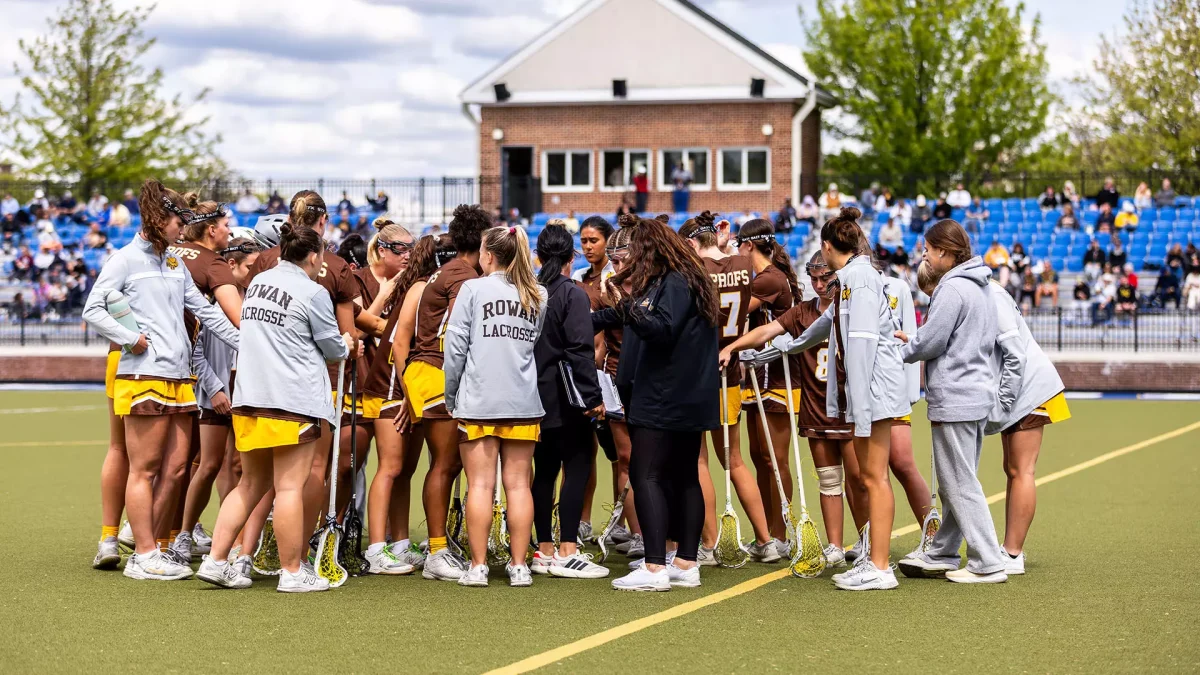
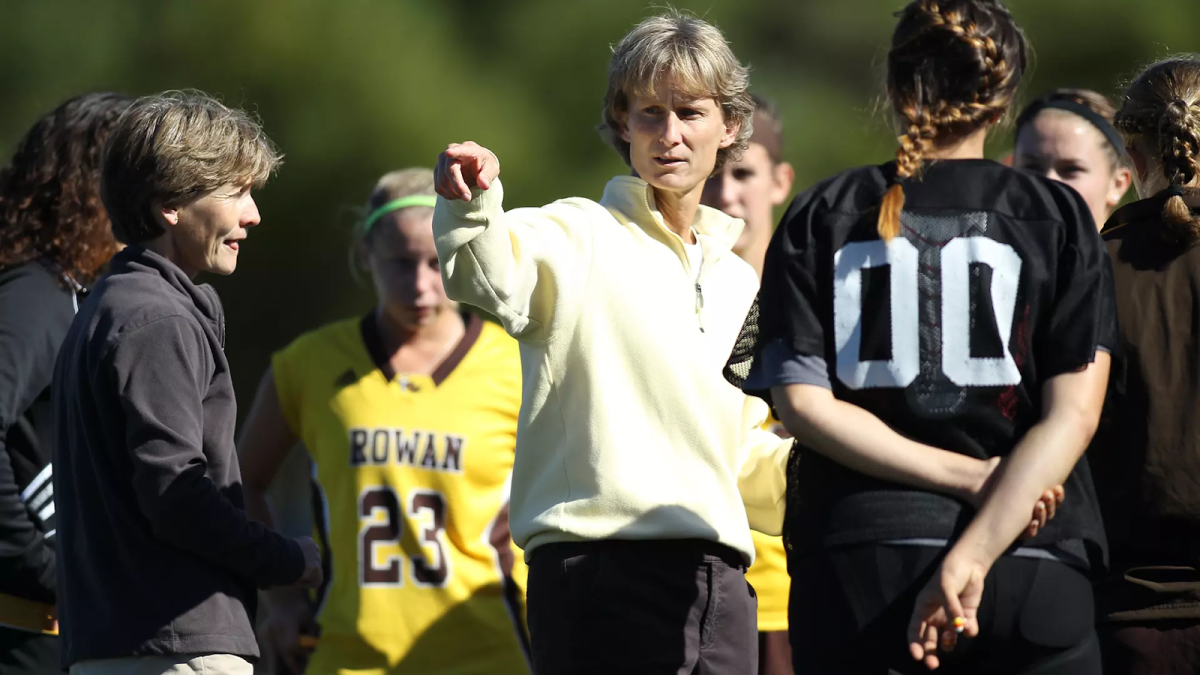
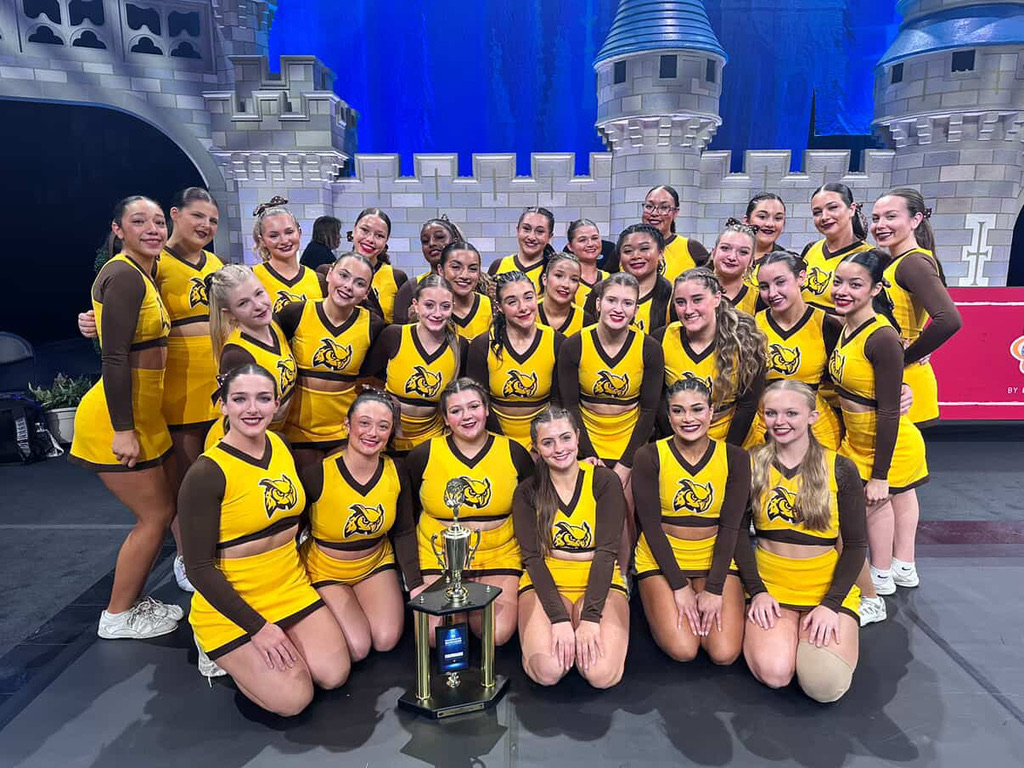
For example, members who are a part of Rowan University’s cheerleading team are very committed to their squad. The Profs have a busy yet structured schedule with practices nearly all season long, including winter break. After fall semester finals, they practice every day, excluding holidays, at the Rowan Rec Center for about seven hours, leading up to national championships, which are held in January.
While the Profs compete at the ESPN Wide World of Sports Complex in the Universal Cheerleading Association’s Cheerleading & Dance National Championship, the team also cheers on the sidelines at games.
As many argue that sideline cheerleading primarily supports other sports rather than involving direct competition, cheerleading has evolved with many teams moving to include more competitive elements due to an increase in popularity in recent years.
It is time for the same people who support college athletics to step up and give the same acknowledgment and credit to college cheerleaders. These athletes, who also compete at competitive levels, are under intense time commitments and train extensively, and deserve to have what they work for sanctioned as an official sport.
For comments/questions about this story, DM us on Instagram @thewhitatrowan or email [email protected]