












































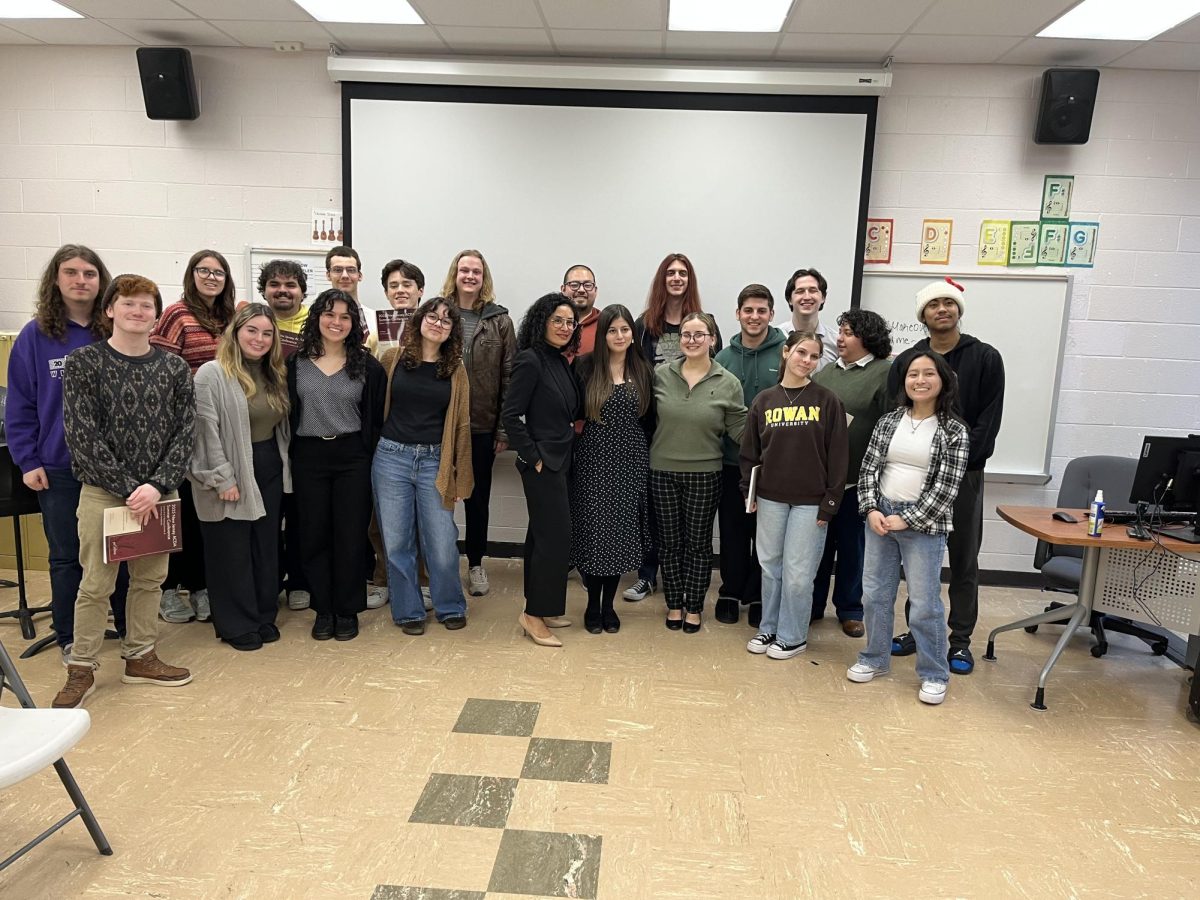

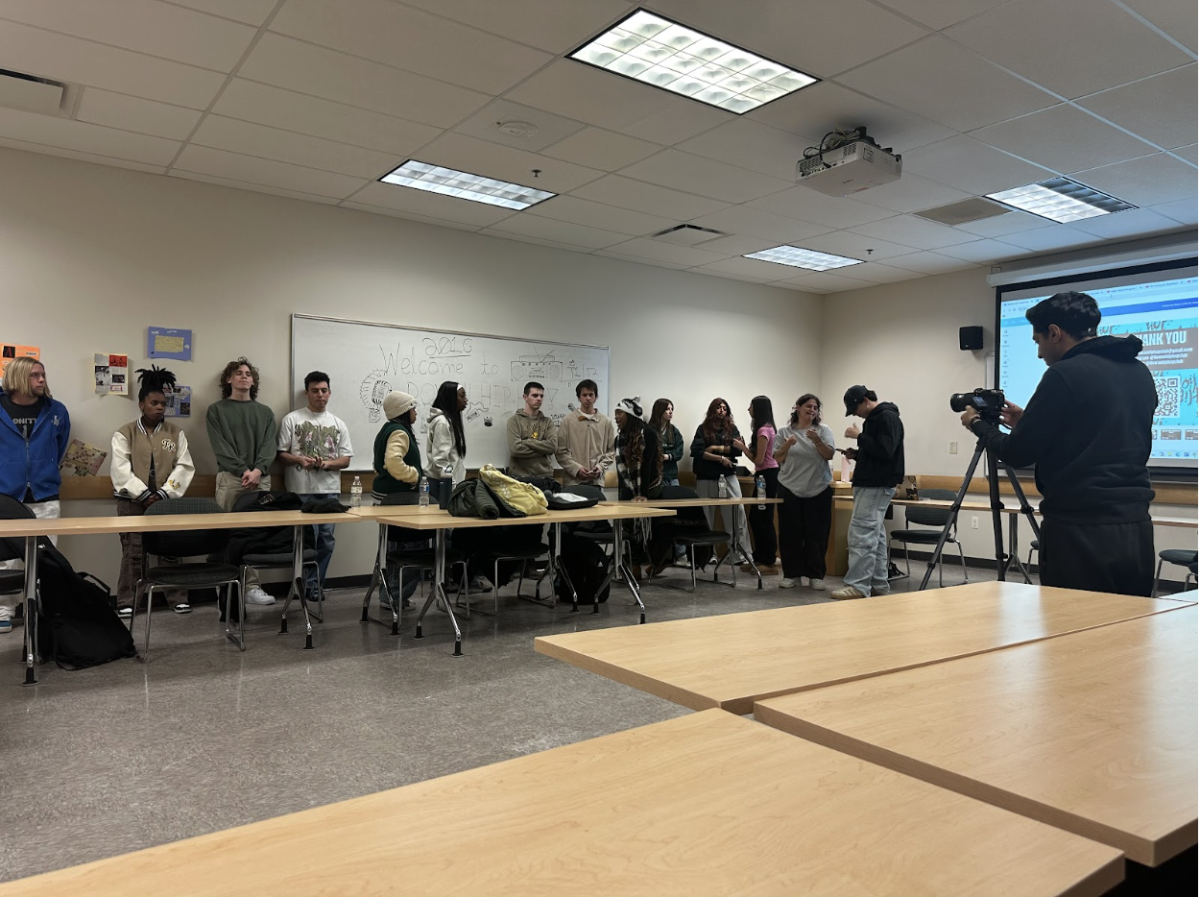
















The pitter-patter of feet abounded at the Learning Latin Rhythms Through Dance workshop at Wilson Hall. On Friday, Oct. 17, Rowan University’s branch of the National Association for Music Education (NAfME) hosted a dance workshop to spread the joy of Latin music through merengue, cumbia, and the beloved salsa.
A sizeable crowd of people showed up, and they were not all dance majors.
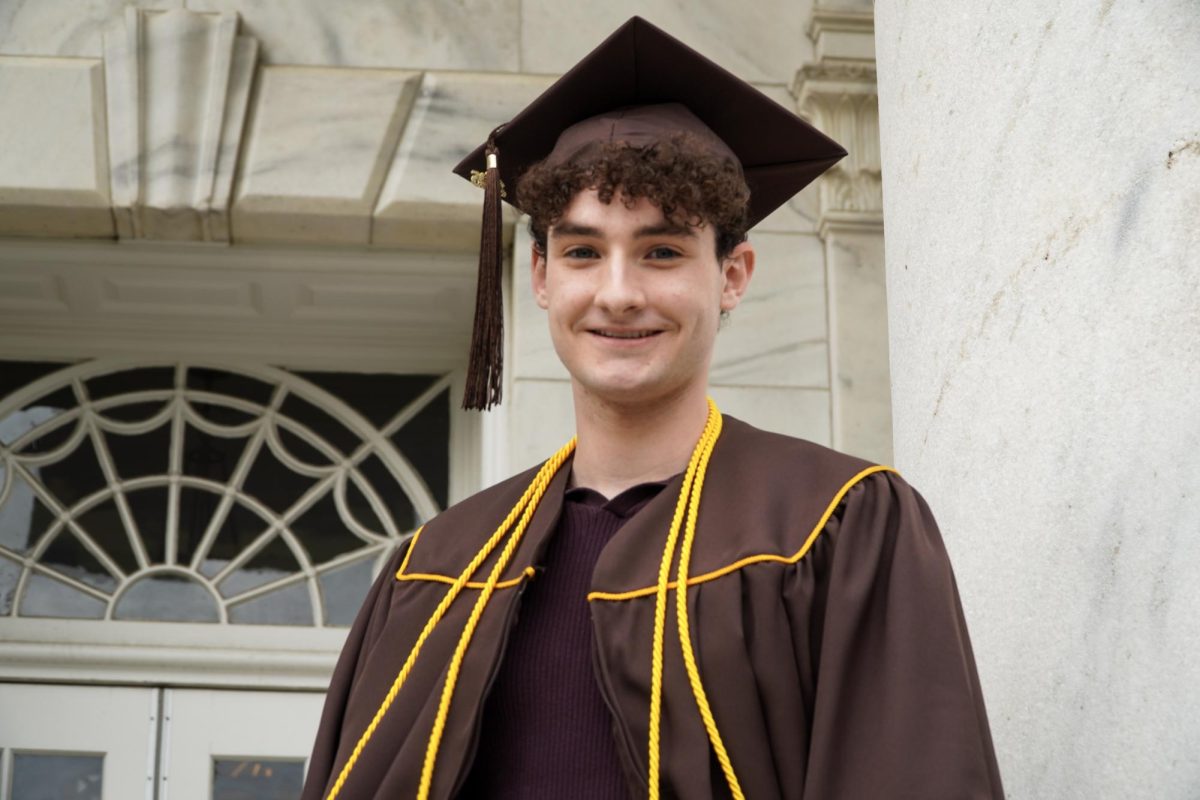
“I want to become a music teacher to further use my enjoyment and passion for music and educate other kids,” said 19-year-old music education major Daniel Suliguin about his involvement.
The participants danced on the Studio A dance floor. The steps looked simple enough — forward, step, back, step, off to the side, and back again. It didn’t exactly go like that, but close enough. They watched the 21-year-old instructor, junior Jessenia Zavala, and her partner, who was primarily Suliguin, perform the steps.
That’s when the reins were turned over to the other dancers. By the end of Zavala shouting ‘five, six, seven, eight,’ a structured chaos ensued. Hips swayed left and right as they danced to the Latin music, and the learning curve wasn’t all that steep: the participants figured it out pretty quickly.
“Chanse, grapevine, grape vine, switch,” were Zavala’s instructions, and the translation to movement was spectacular.
While many people have heard of or danced these dances, few know their origins.
Salsa developed in Cuba and Puerto Rico around the turn of the 20th century. African rhythms and movements that came with the slave trade took hold, and when they blended with European dances like the waltz, a new dance style emerged. In the 1940s and ‘50s, those same Cubans and Puerto Ricans started moving to New York, and their new African/Latin flair came with them. When it was all mixed with jazz music, the mambo and the cha-cha, a sparkly new genre was born. That’s the short version, anyway.
Merengue has a similar origin story to salsa, except that those beats populated the Dominican Republic instead. The African rhythms meshed with European dance, and they found themselves with a novel dance. Once it spread to the United States, all bets were off. The dance was shaped and molded until it became the passionate dance it is today. Merengue is still the national dance of the Dominican Republic.
The final dance, cumbia, originated in the coastal regions of Colombia. It was originally an African dance of courtship and respect. Eventually, European and indigenous instruments and dance moves were introduced, and a phenomenon blossomed.
There are two things that all these dances have in common, aside from the ancestral heritage. They were developed largely by the working classes, something the upper crust of society wouldn’t dare perform. Also, while they are all fiery dances in their own right, that passion isn’t about lust. It develops into feverish, beautiful movement. And while that’s exactly what happened at the dance workshop, it was about more than the eye could see.
“I think it’s really important for us to learn rhythms outside of Western music … as musicians we tend to learn not as many rhythmic styles outside of classical Western stuff, especially as we are trained as classical musicians as well as educators … we don’t often escape that European mindset of music and rhythm,” said Cameron Hyson, a 19-year-old music education major.
The day was all about education. Learning new steps, new terminology, and about new cultures.
As the hour drew to a close, the class voted to do a line dance to round out the event. This wasn’t what most people think of line dances — images of cowboy boots and a hat — this was a Latin line dance that incorporated many of the moves they had learned that very day.
“Dance fits into [music education] I think, for theater or just enjoyment, I mean, we just did Latin dances and rhythms today, so I believe that having that cultural … integration in a classroom is important because I don’t think a lot of people know what Latin dance is or how to do it,” said Suliguin.
For comments/questions about this story, DM us on Instagram @thewhitatrowan or email [email protected]