







































































































































I would never describe myself as an early adopter. I approach life with a skepticism that makes it difficult to just leap into the deep end. I might become acquainted with the water, but only after I’ve watched everyone else come to the surface.
I didn’t even bother with that when the Israel-Palestine conflict began. I knew nothing. I couldn’t even point Gaza was on a map or why it mattered.
This was intentional. I usually only concern myself with domestic affairs, since that’s what directly impacts me. I thought our focus on Israel-Palestine was short sighted and weird. Who cares what’s happening in some place I’ve never been before, meanwhile here at home we have issues all around us?
My social media algorithm picked up on my indifference. People would talk about videos they watched of the conflict or news articles they read, meanwhile I got none of that.
If a video of a starving kid came up, I scrolled past. Not only did I not want to see it, but I still believed it wasn’t my problem. There are starving kids everywhere, and in my lifetime I’m not going to help most of them. I’m too far removed.
My removal from Palestine, however, was artificial.
Over the course of an entire year, from one Oct. 7 to the next, I kept my head in the sand. Even worse, I opted to espouse my middle-of-the-road opinion to anyone that would listen.
I don’t know what changed my mind – if it was the cumulative effect of another year’s horrors, my daily conversations and the protests I attended, or if I made the conscious choice to open my eyes. But I’m ashamed they were ever shut.
For one, I’m a voracious consumer of Holocaust material, because humans are capable of complex atrocity, and I thought I should know how, and more importantly why.
Still, we have sensationalized genocide, when really, it is a day-to-day struggle; only epic in the language we use to describe it. Out of all the books I’ve read, movies and documentaries I’ve watched, and pictures I’ve seen of the Holocaust, none of them have managed to capture the truth of killing an entire people.
There’s no drama; it’s just business, and suffering.
The United States is on the business side of the suffering in Gaza, and that was the truth I ignored for an entire year.
If I can go to the Holocaust Museum in Washington, D.C., and see piles and piles of shoes with murdered owners, the cattle cars used to herd human beings from one camp to another, the videos of liberated humans akin to living skeletons, and know the history that got humanity to that point, then I can see the videos of children in Gaza and read personal accounts of Palestinians and know we are no better off.
Neither aid nor honesty is welcomed by the Israeli parliament, a government that would not be able to continue their wanton assault or blockade of food, water, and medical supplies, if it weren’t for the U.S.’ checkbook.
In just two years, the United States has sent Israel over 17.9 billion dollars worth of military aid — all pooled from tax dollars.
If you pay taxes, you have been paying for Israel to commit genocide. Genocide from military action that disproportionately kills civilians over enemy combatants, with estimates as high as 80%, genocide which starves citizens and robs them of medical care, indiscriminate of age or gender, a genocide repeatedly made out to be “less than.”
If you shop, go out to eat, or watch movies or TV, you’ve probably been paying for Israel to commit genocide. Just looking at The Boycott List, I get queasy thinking of the companies that take my money and decide a portion of it should go to killing children.
It sounds dramatic, but it’s not. It’s business. Our country is as entwined with Israel as ever, and it’s not going to stop even if I stop buying Starbucks or start going to Students for Justice in Palestine meetings.
Still, there’s something to the boycotts and the protests.
Being on the business side of suffering, we’re the ones writing the checks, and therefore we’re the ones who can stop them – theoretically, anyways.
In your daily life, you should be looking at the boycott list and considering what you can cut out of it. Be rigorous, be honest with yourself. When I’m caught up in the feeling that I can’t live without something, I remind myself that across the sea in Gaza is a little kid with nothing to eat at all. I can afford to shop around and find something else.
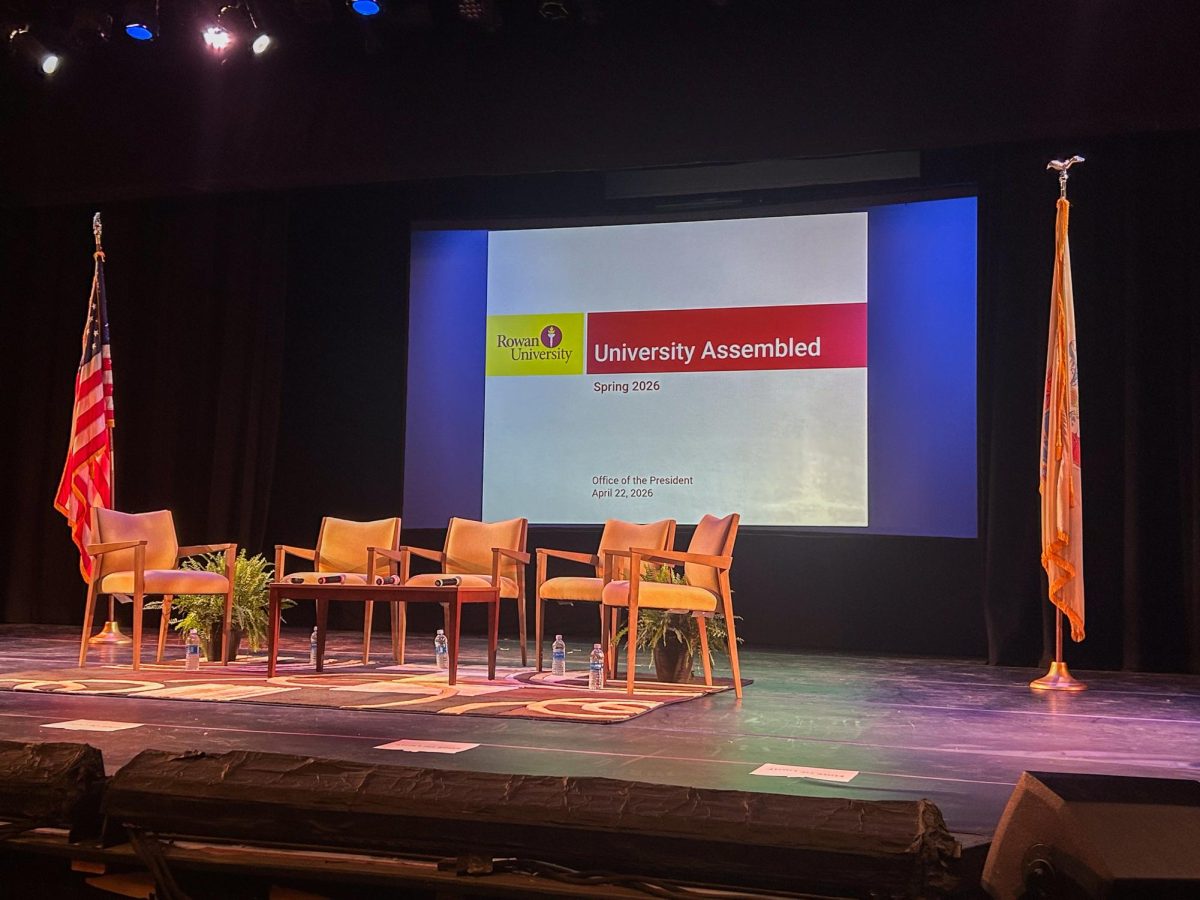
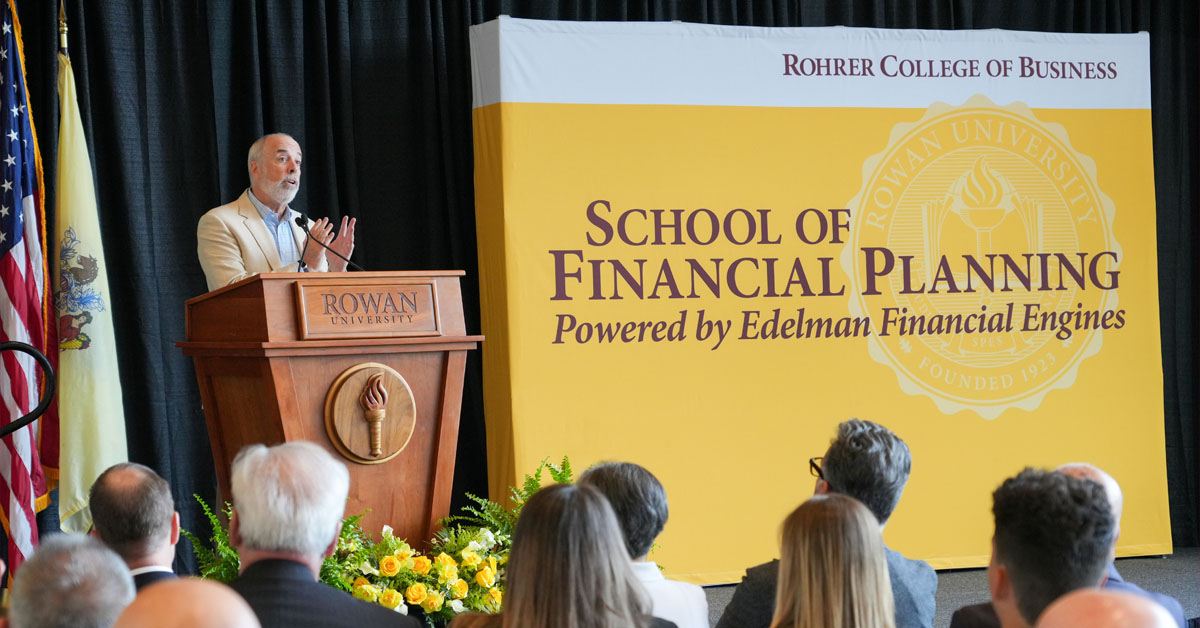
For most students, however, the majority of our money isn’t going to groceries, subscriptions, or services. We’re paying for school. Think of it this way: Rowan gets millions of dollars in tuition every year, and some of those dollars are mine.
You might think that universities simply take tuition money and pay for what they need to, but that’s not really true. Instead, they often have investment accounts, Rowan included.
It’s what Rowan invests in that is our concern. It’s on us to first submit a Freedom of Information Act request (FOIA) to find out where Rowan has invested its money, and then pressure them to pull all investments in pro-Israel corporations, as part of something called a divestment campaign.
When you boycott a business alone, your impact is small. Our pooled tuition money, however, is massive. If Rowan was to divest, it sends a very real message to the companies that lose thousands to millions of dollars at once.
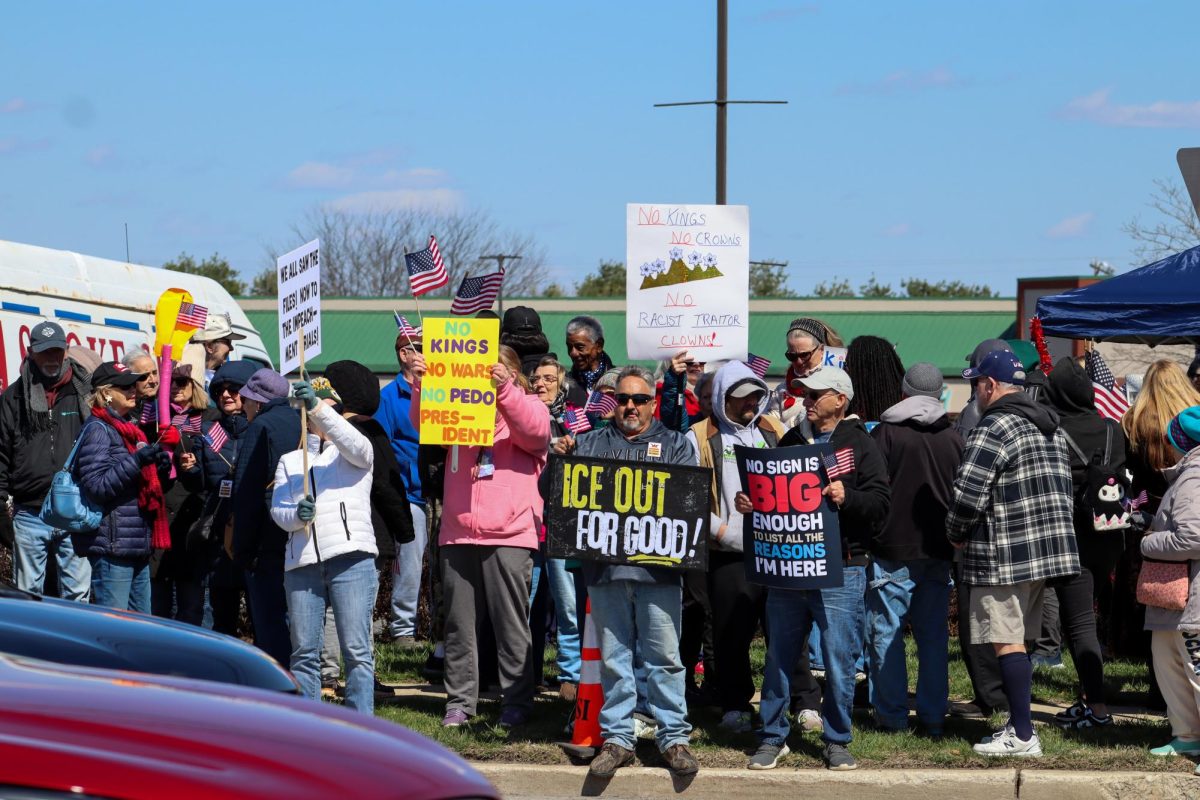
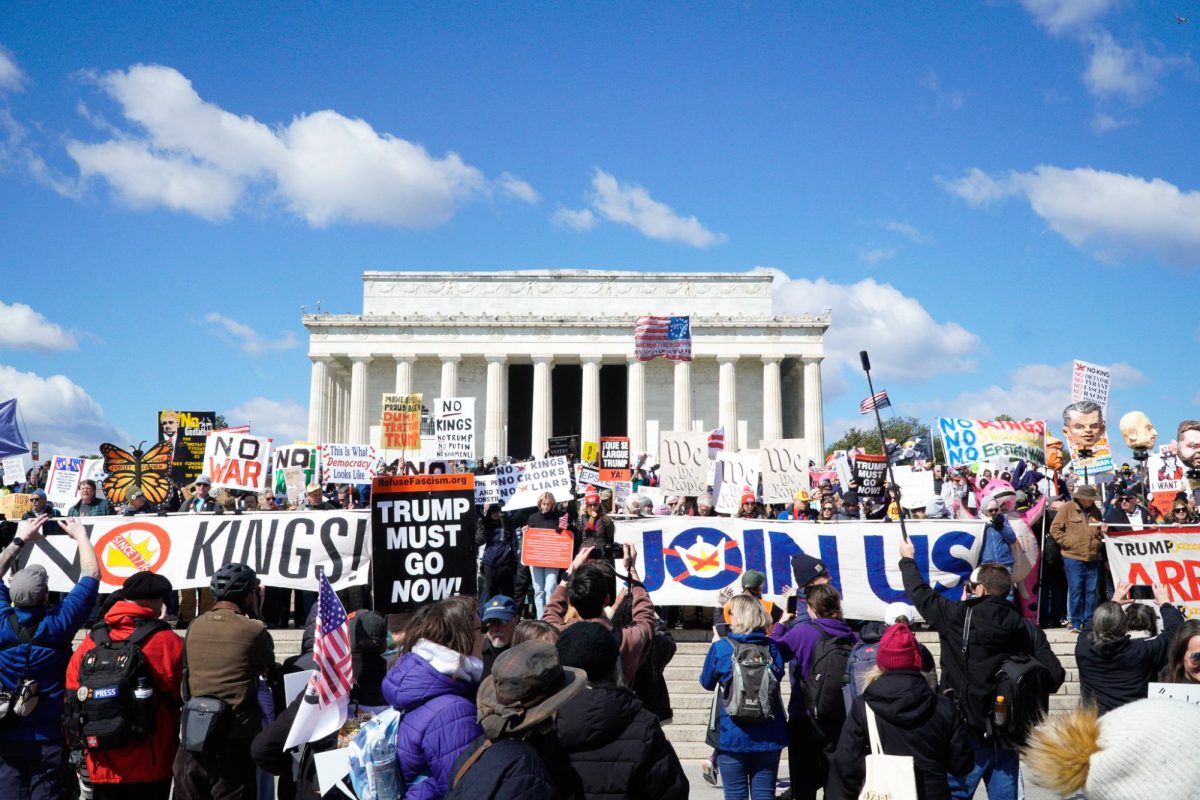
Still, pressuring a university to make financial decisions based on morals isn’t easy. We can’t just stand outside waving signs and hope anything happens. It needs to be a targeted protest that makes Rowan look bad.
They say that all publicity is good publicity, but what about the kind that covers hundreds of students camped out in the quad until change happens, a la Columbia University’s 14 day solidarity encampment?
History tells us the best way to change the status quo is to make the people in charge very, very uncomfortable. For working students, as well as Rowan faculty and administration, there are also options.
Some people have called for a general strike, which causes all unionized labor in the U.S. to come grinding to a halt. These are difficult to coordinate and painful for everyone involved, stopping the flow of commerce in its tracks. Still, they’re effective. If you’re a member of a union without a “No-Strike clause,” and you’re unhappy with what your labor contributes to, this is an option, however unsavory.
For whom a strike is not in the cards, other forms of coordinated action are, including demonstrations, informational picketing, and sick outs.
There is also the choice to quit paying federal taxes altogether. There is the saying, no taxation without representation. Maybe it’s time for a sequel: no taxation until Palestinian liberation.
Ultimately, people are dying and we are the ones paying for it. If you don’t want to pay for it anymore, it’s time to consider your options, and – most importantly – take action, because the time for ignorance passed a long time ago and in its place is your choice. I know mine.
For comments/questions about this story DM us on Instagram @thewhitatrowan or email [email protected]