




























































































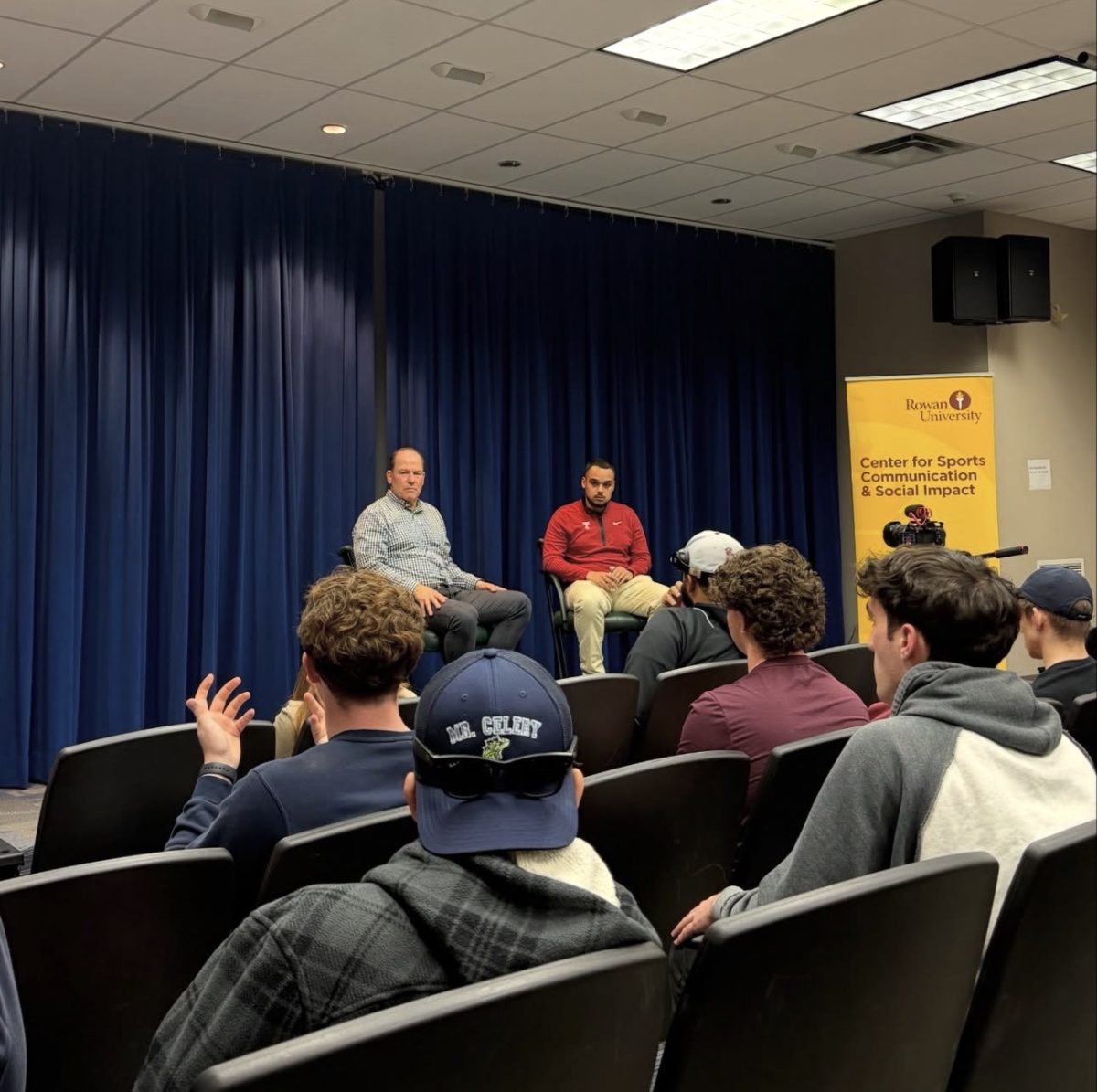
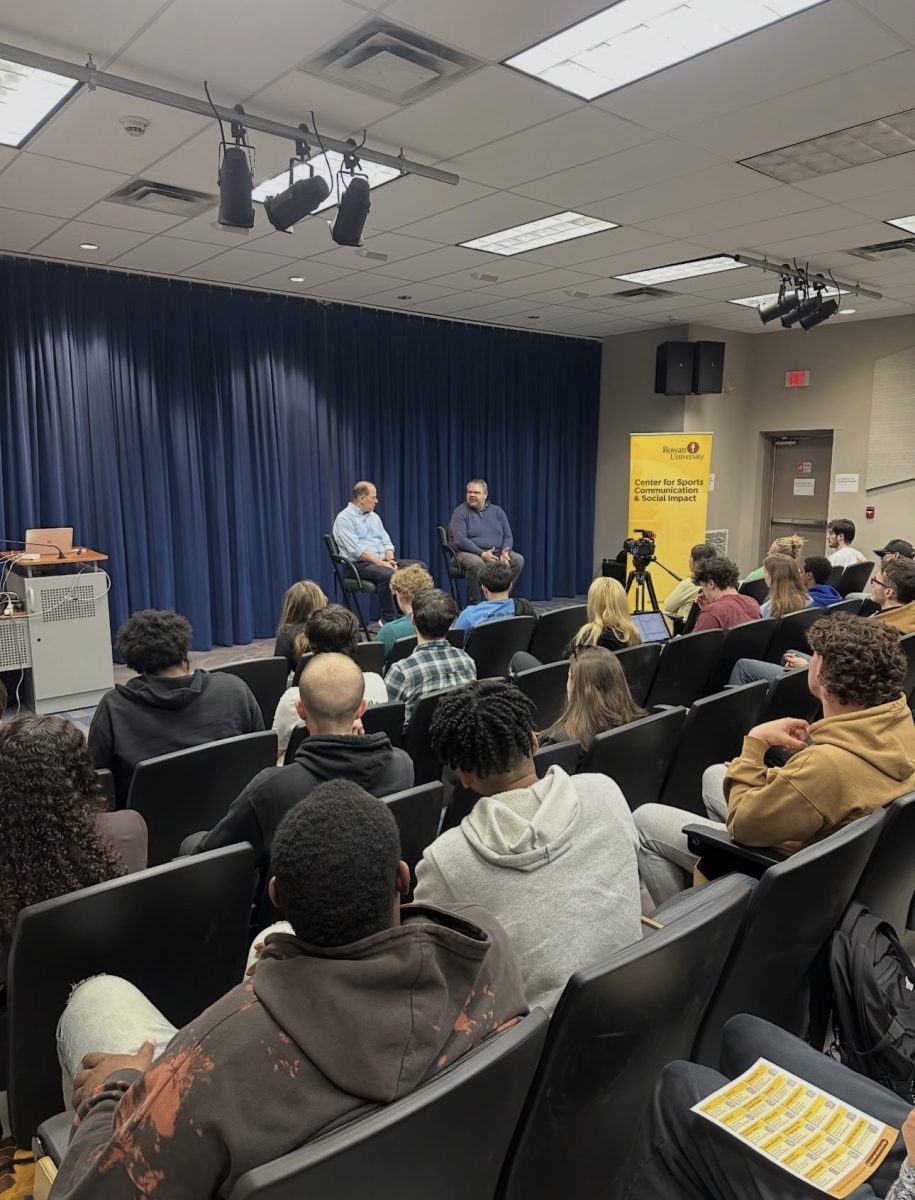
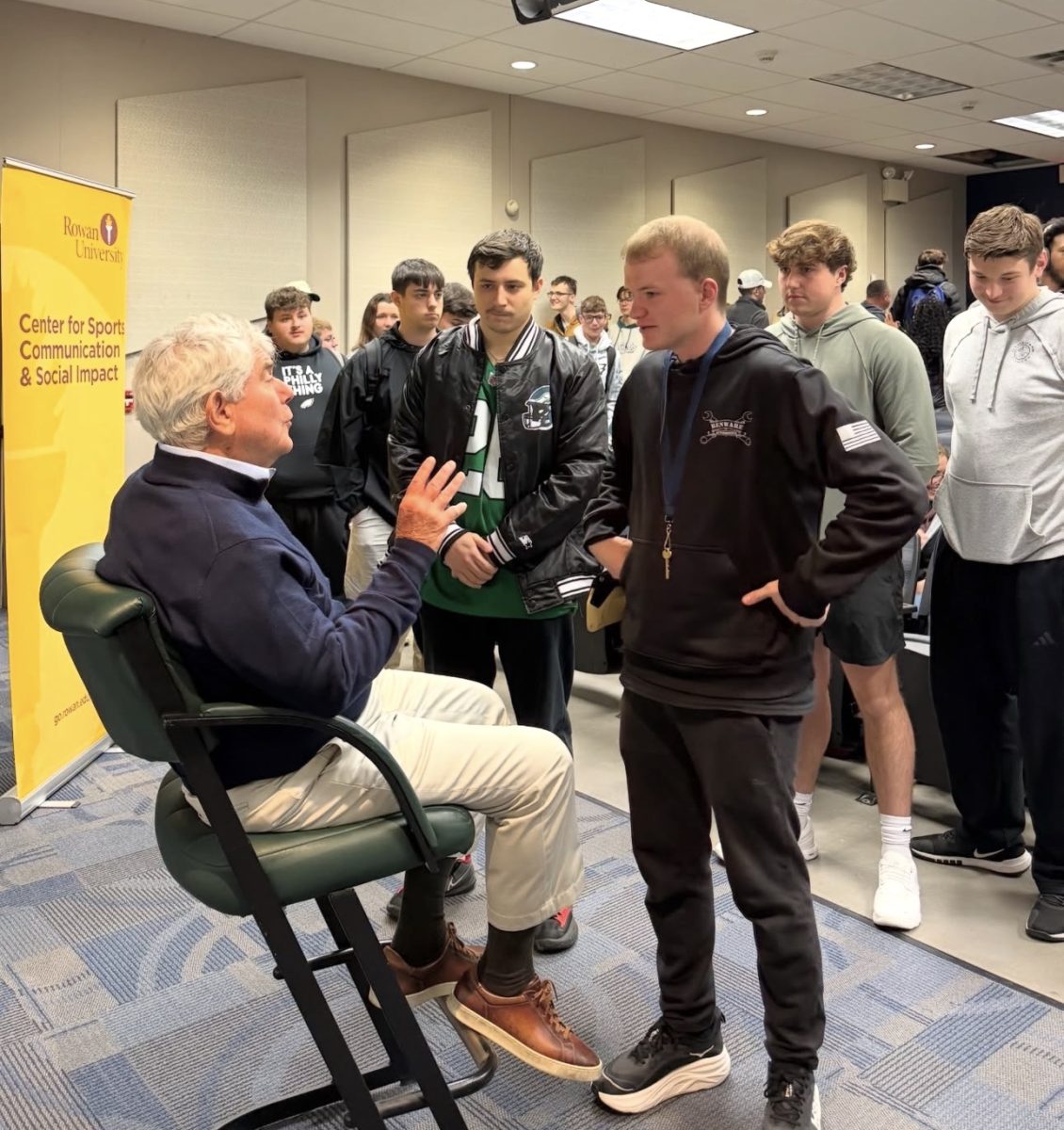








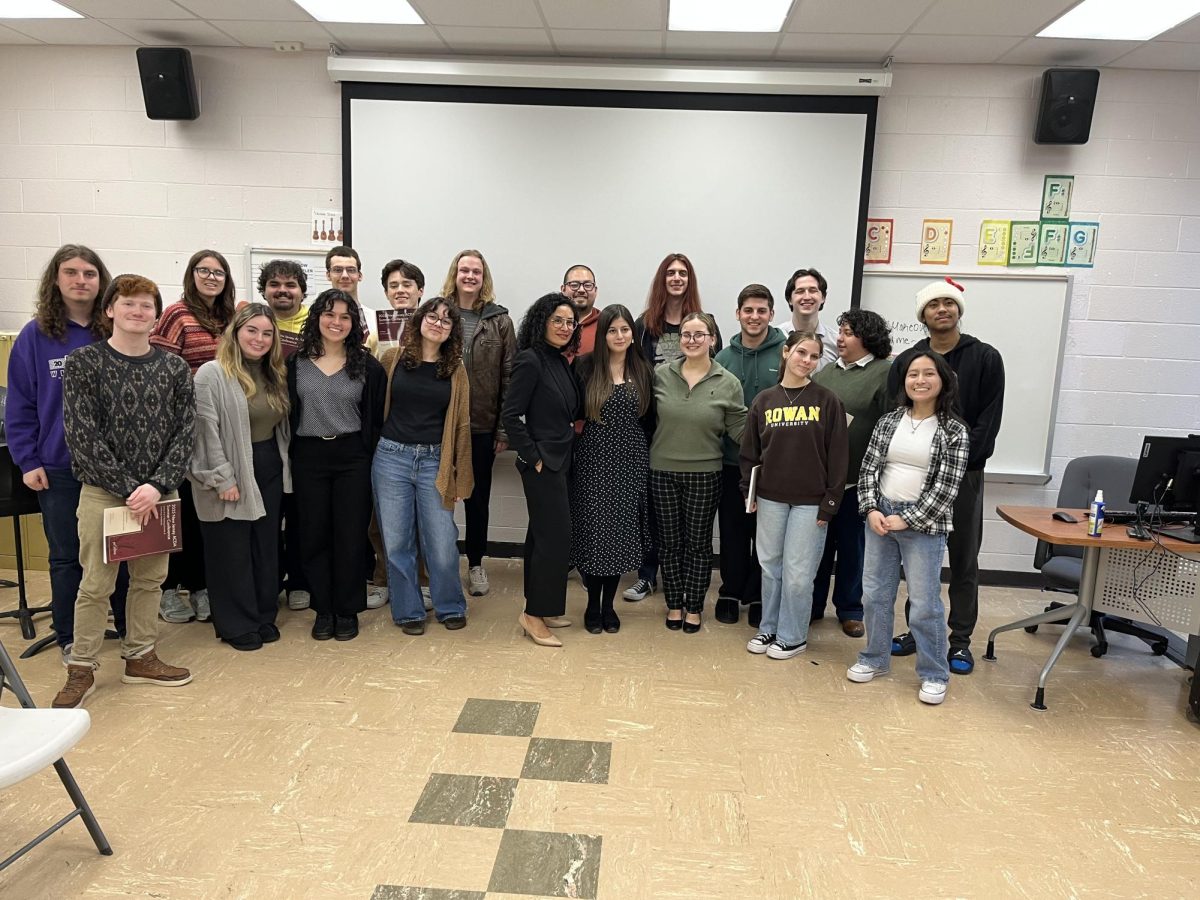





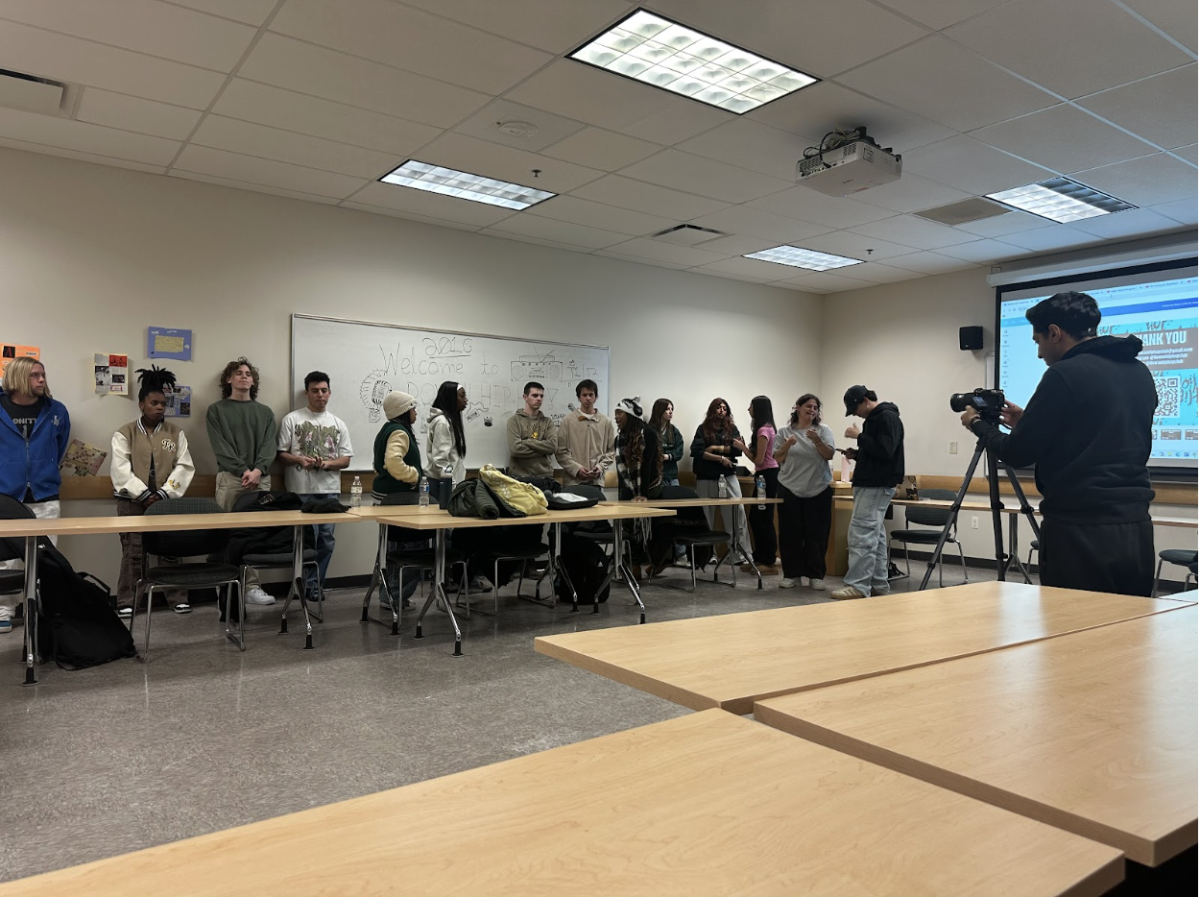

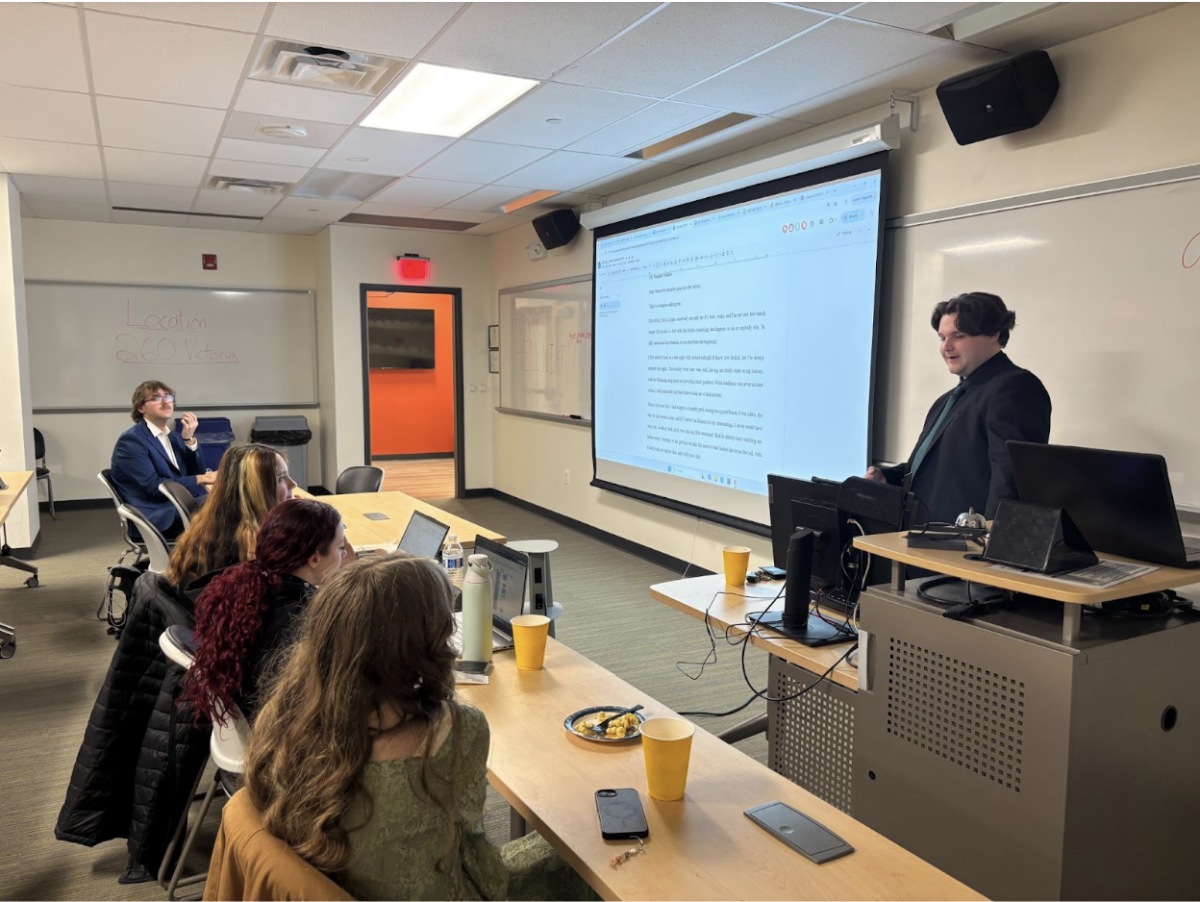






















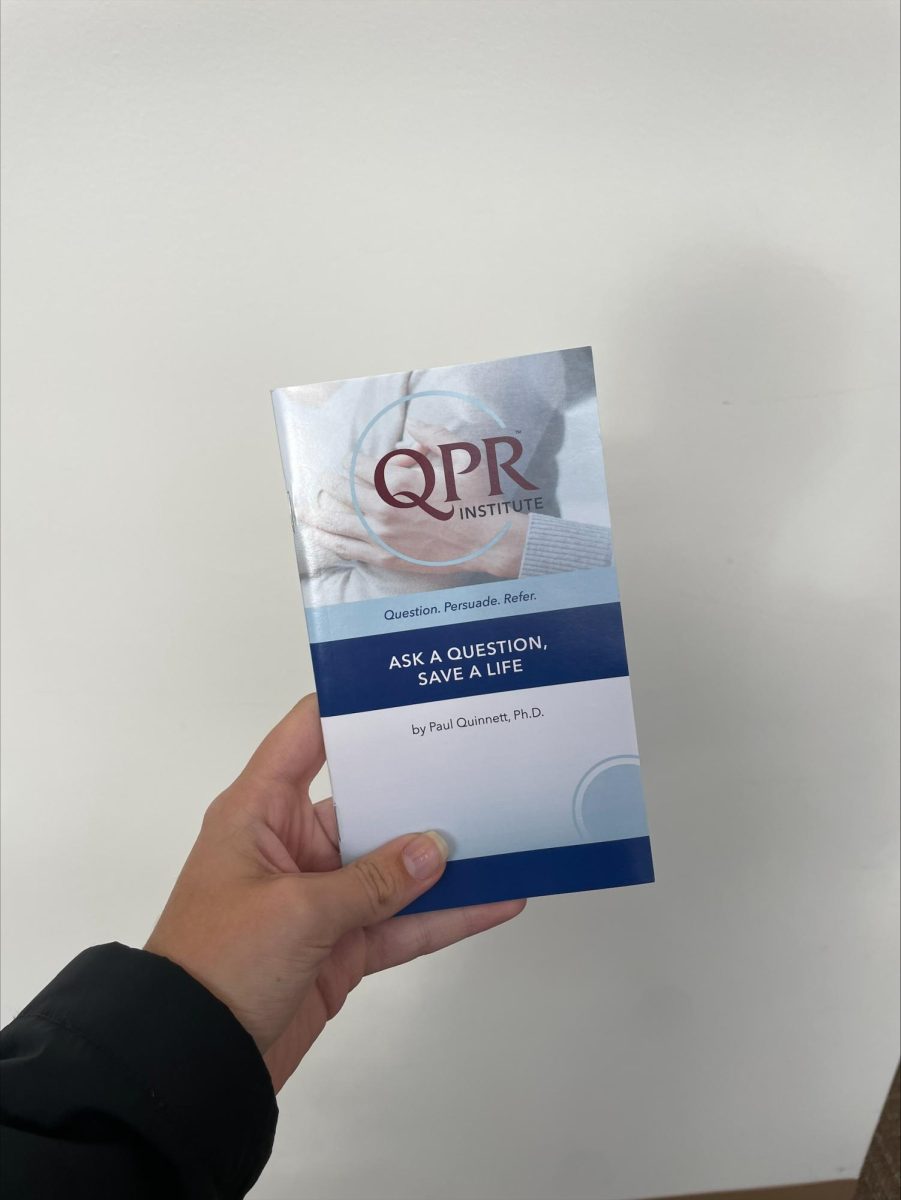
When a conversation can save a life, knowing what to say can become the most powerful tool. On Nov. 13, the QPR Institute hosted a suicide prevention training presentation at the Wellness Center. Students and staff attended the gatekeeper training session to learn how they may be able to help someone who is considering suicide by leading them in a positive direction.
QPR stands for “question, persuade, refer”, which are the three simple steps people can take to help save a life. Similar to CPR training, according to the official QPR Institute website, “people trained in QPR learn how to recognize the warning signs of a suicide crisis and how to question, persuade, and refer someone to help.”
A gatekeeper is anyone “in a position to recognize a crisis and the warning signs that someone may be contemplating suicide.” QPR-trained gatekeepers will be able to detect warning signs from others and learn how to offer support to those who may need it. Over seven million people have gone through training through the QPR Institute.
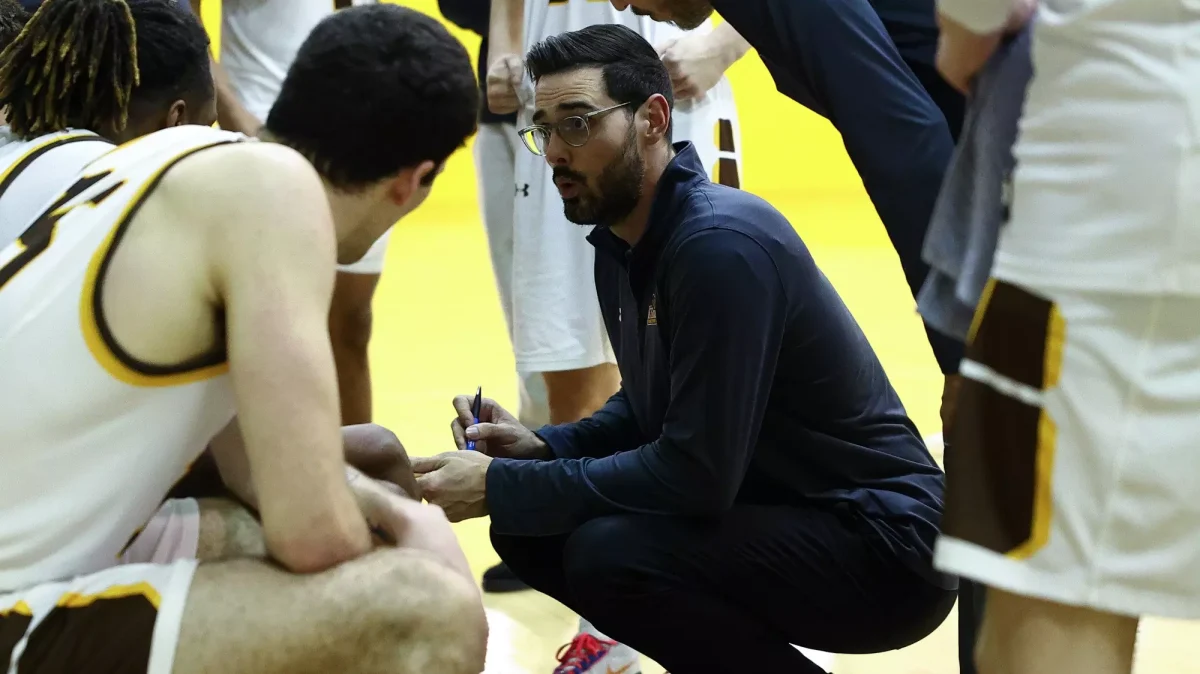
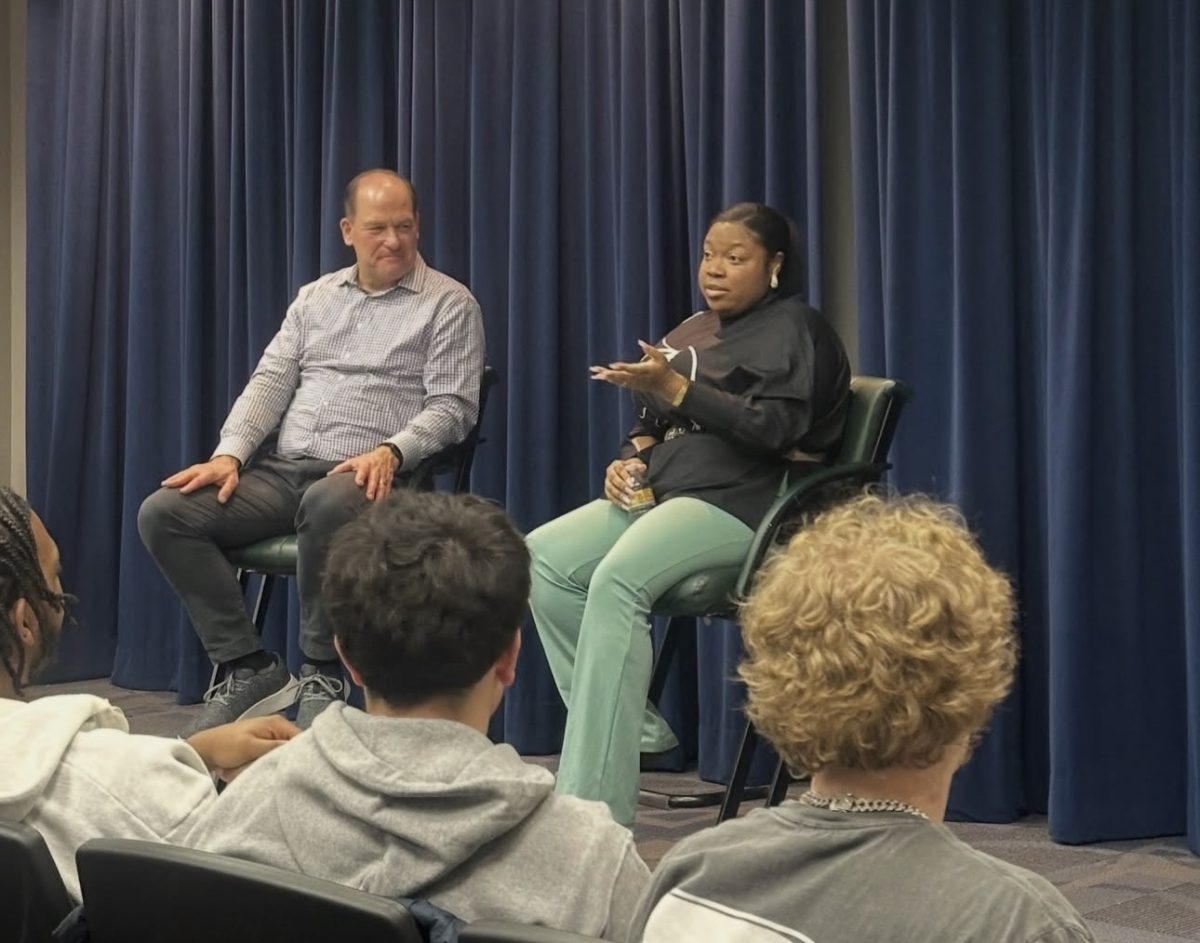
Rafe Karen and Jeremy Allen are the gatekeeper trainers who gave the suicide prevention training presentation, and they are also pre-doctoral interns at the Rowan University Wellness Center. Karen reflects on what he believes should be the key takeaways from this presentation.
“Be willing to take a risk if you think it can help someone. I think even a really small intervention or small question can really help somebody in need,” said Karen.
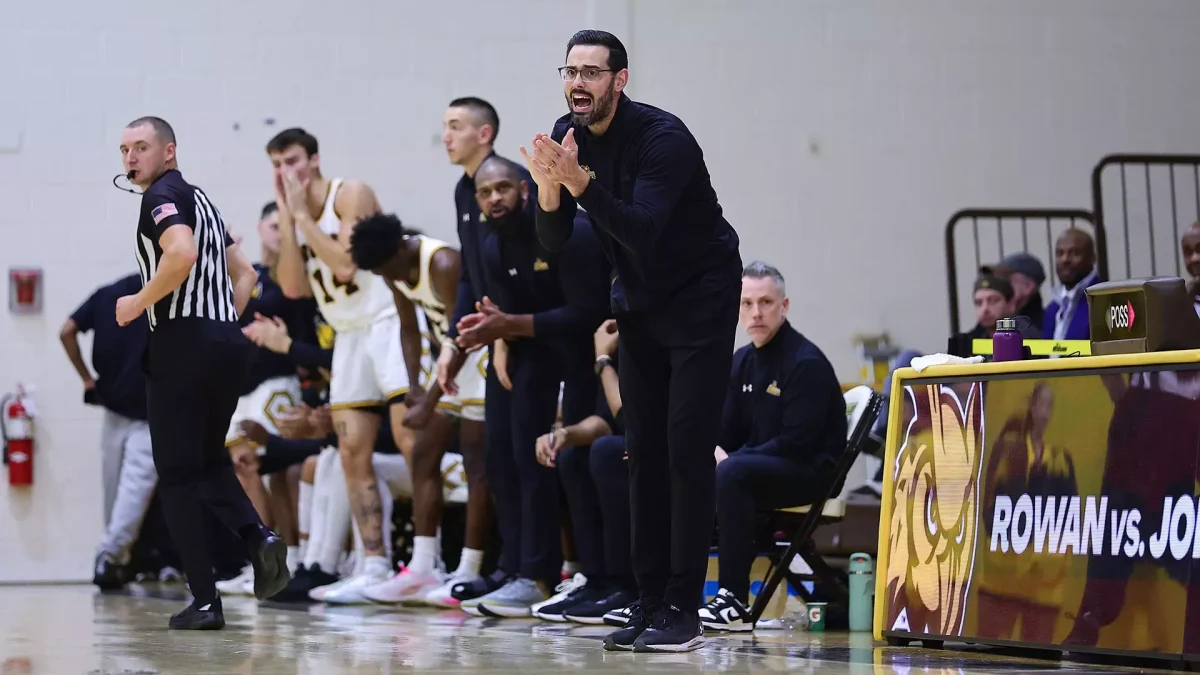
Jeremy Allen also reflects on the key takeaways from this training session.
“I think being willing to take that risk and being ok with being uncomfortable is important. It’s uncomfortable to ask the question, but just by asking it can help you realize that that discomfort can be eased by knowing you’re helping someone,” said Allen.
Karen and Allen both elaborate on why going through the QPR suicide prevention training is especially important to those on college campuses.
“Think of the college setting. It’s so new for so many people. It’s the first time many are on their own … There’s so many things students have to do. Being able to have a friend or just someone who is willing to ask how they’re doing and to really check in on if they want to be here is essential, especially on a college campus,” said Karen.
Allen sees an importance in driving home to students QPR’s mission as he recognizes the fear students can have when addressing these issues.
“It’s definitely about reinforcing the idea that it’s ok to talk about it. It’s obviously scary to talk about. But by offering that support to people and realizing that if they are having these thoughts, there are resources available. They don’t need to go through it alone, especially on a college campus,” said Allen.
Jonathan Franco, a first-year biological sciences major, reflects on how this training is important for people to go through, especially college students.
“I definitely know more about this topic than I did before. I think [Rowan students] should at least be more informed about the topic and places you can go to get help,” said Franco.
Franco adds to his reflection on this training.
“I feel like the biggest takeaway from this is the resources that you can send people or that you can use yourself,” said Franco.
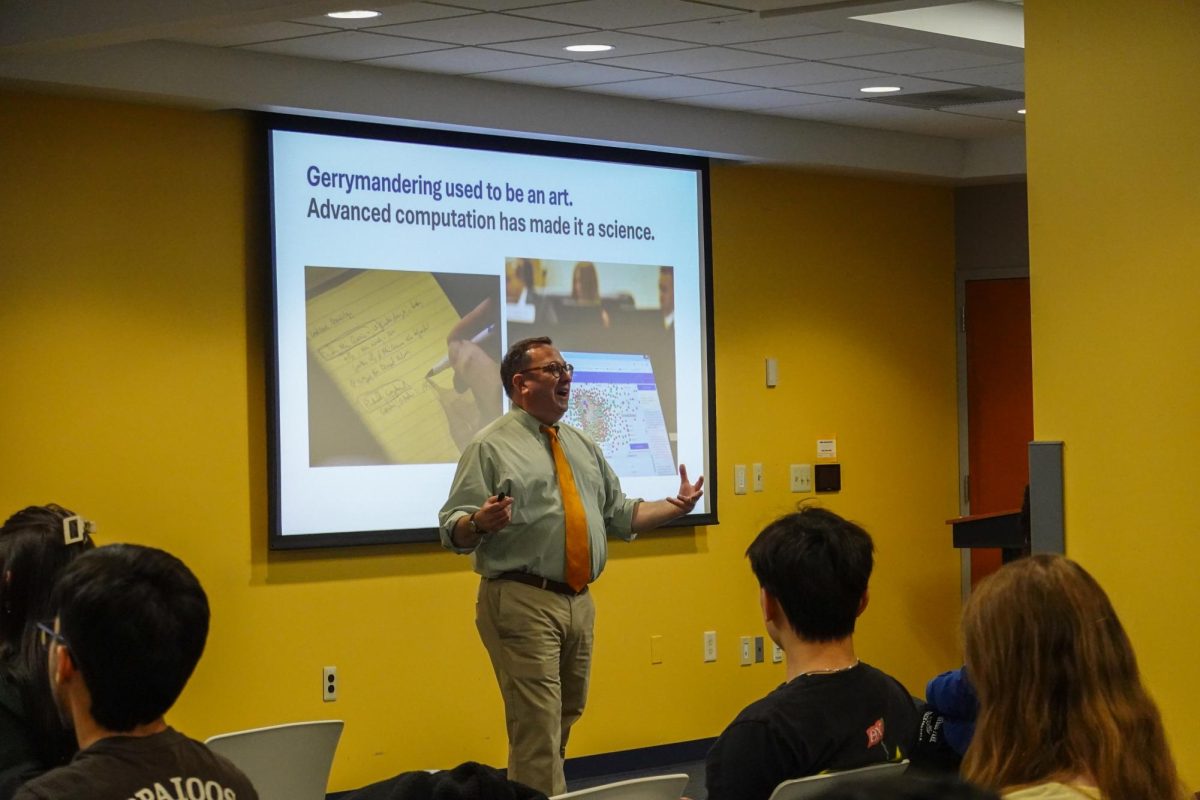
John Waggoner, an assistant teaching professor in the mathematics department, elaborates on why educators need to attend this training as well.
“The statistics on suicide are pretty clear. A lot of people have these thoughts, and chances are, students in our classes will have had these thoughts, too. It’s important for educators to be able to recognize that,” said Waggoner.
Rowan University offers many different resources and support to those who may need them. For starters, group and individual counseling are offered at the wellness center Monday through Friday. There are many other group and individual clinical services offered at Rowan, including Stay Afloat and Let’s Talk. These services are covered by tuition.
Outside of Rowan’s resources, 988 is the suicide and crisis hotline, and it is available to people wherever they may be.
For those who were unable to attend this training session, the wellness center offers it once a month. You can find more information about upcoming QPR Institute training sessions on ProfLink.
Talking about suicide is not an easy thing to do. It’s important to increase awareness on this issue, and recognizing that this is a difficult conversation to have is the first step to making a change in someone’s life. Anyone can help prevent this. It’s important for people to trust their guts when they see the signs early on, connect people to resources, and offer hope in any form. Create a safe place and let someone know that someone cares about them.
For comments/questions about this story, DM us on Instagram @thewhitatrowan or email [email protected]