


























































































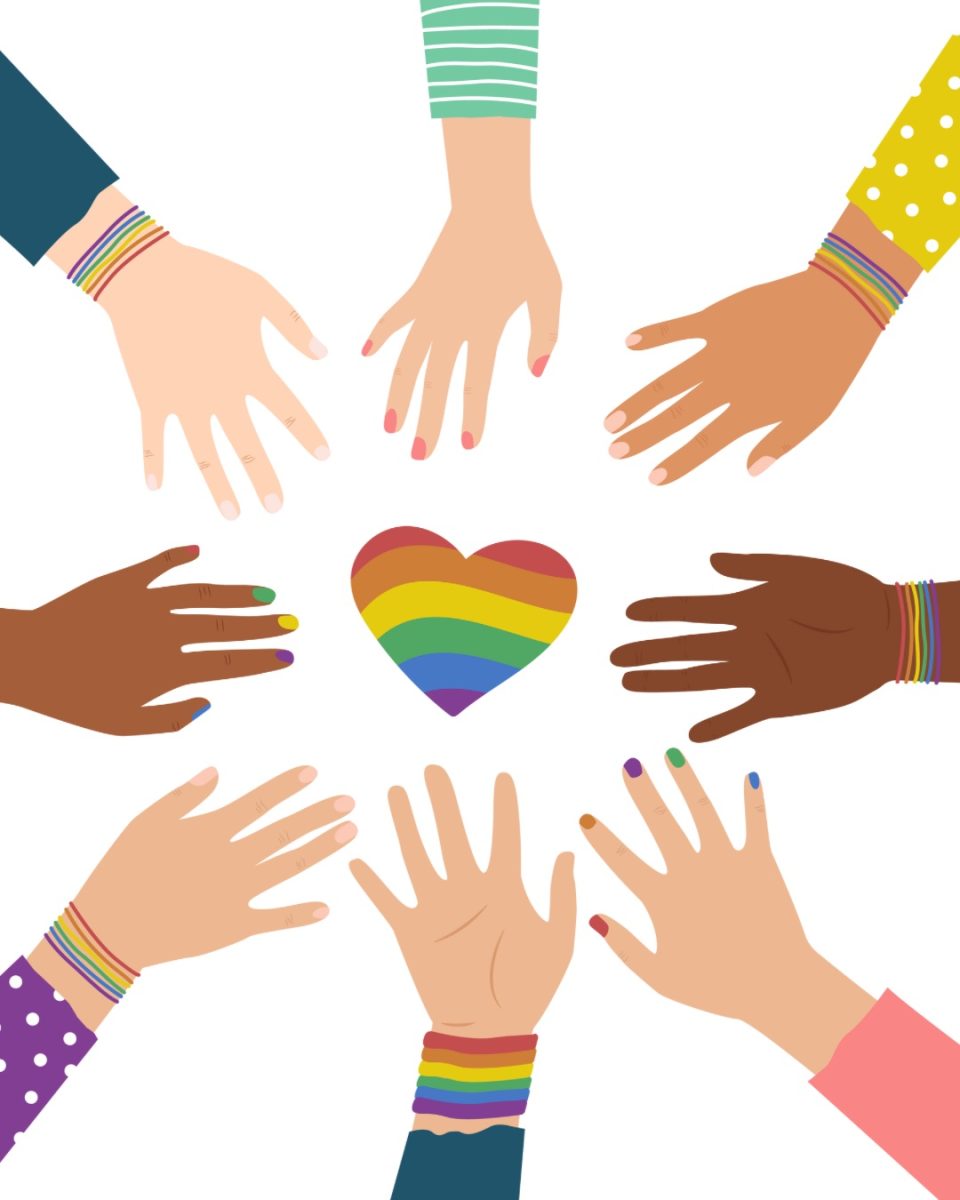
For many queer people, self-acceptance is a lifelong struggle built on both hardship and perseverance. In the midst of an openly anti-LGBT administration, queer stories serve as an anchor of hope for a community facing rising uncertainty.
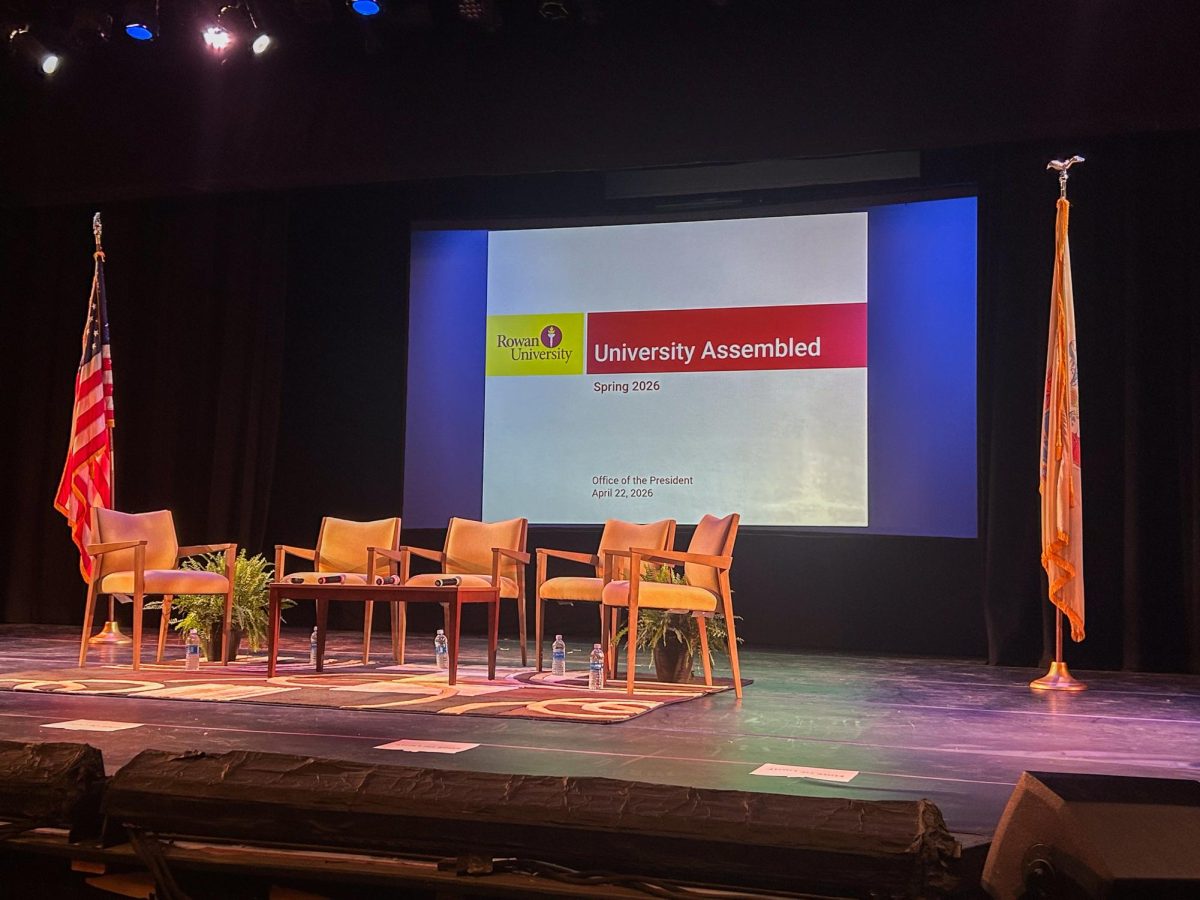
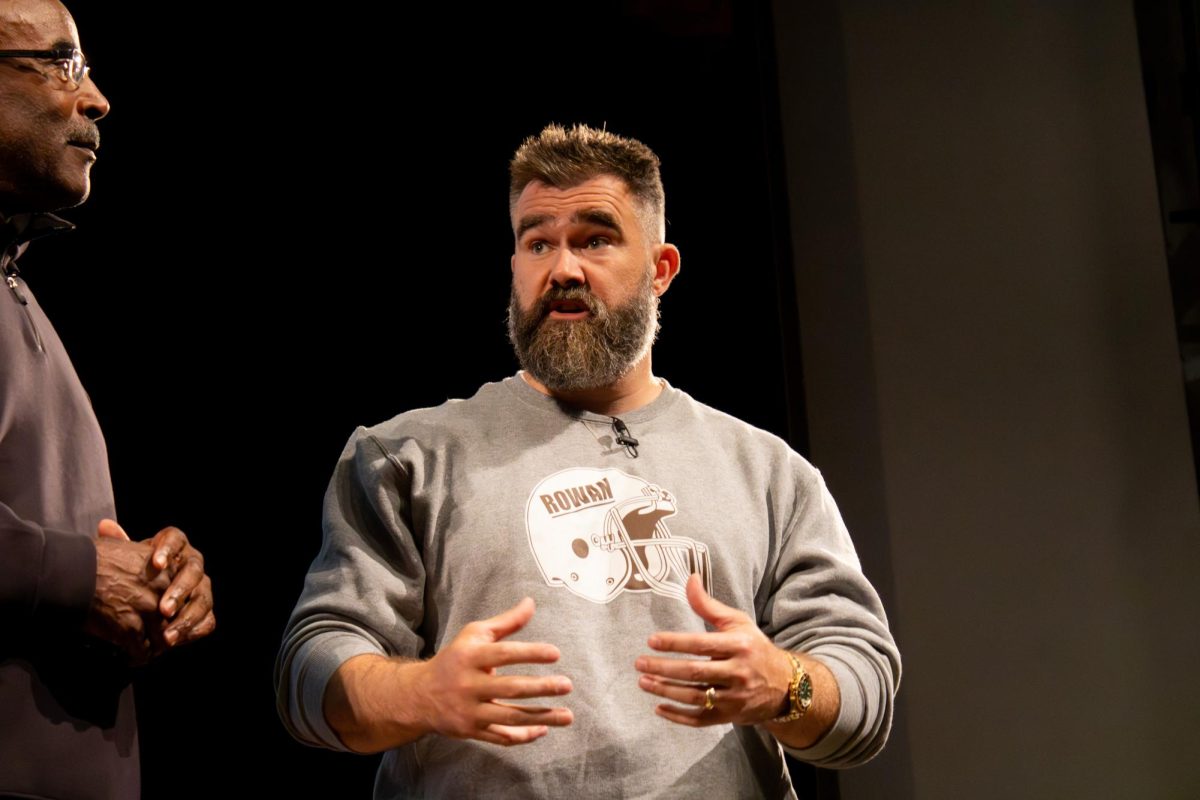
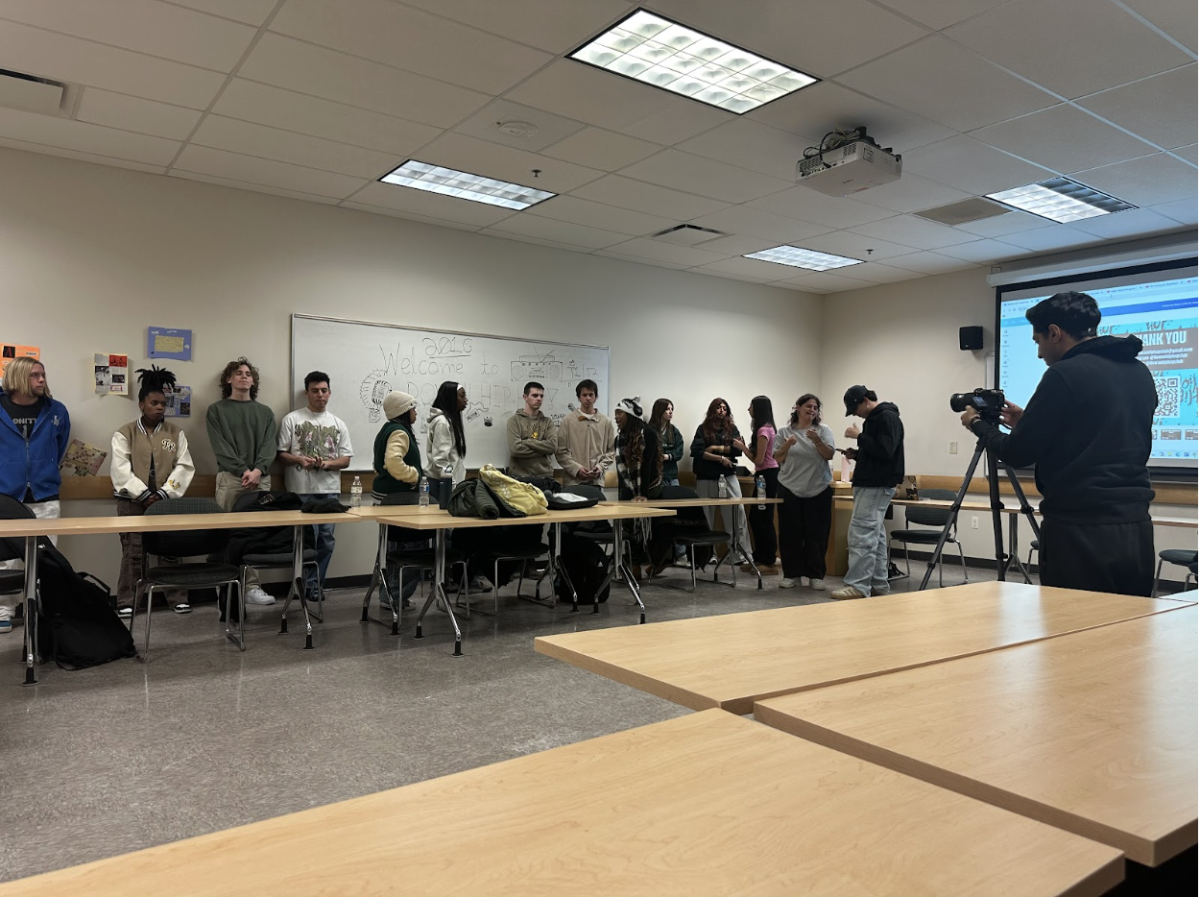
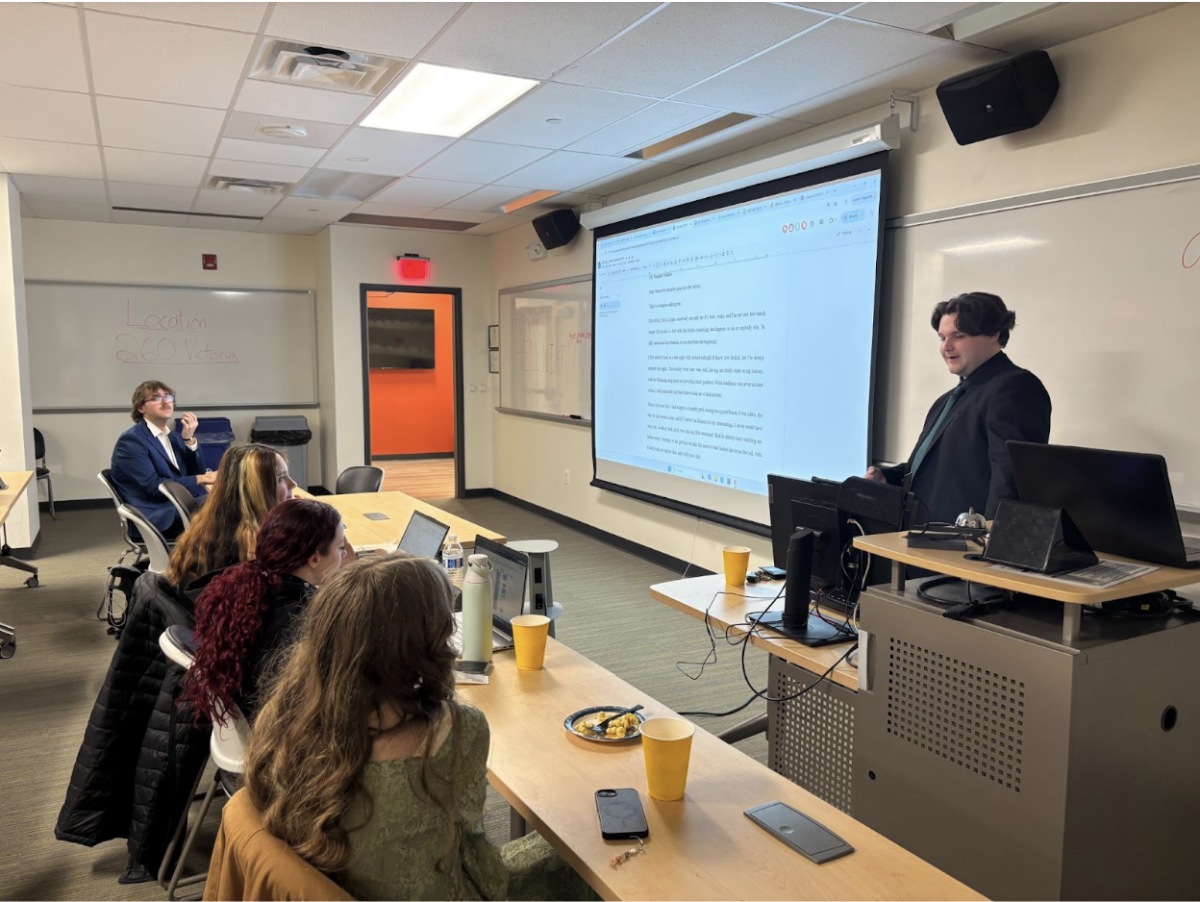
Trans 101, a discussion panel, was hosted by Rowan’s Center of Belonging in partnership with Wenonah Equality. The purpose of the event was to share stories authentically, connect students with resources, and offer a safe space to learn and make mistakes.
Emmalee Holaday, assistant director of the Center of Belonging, opened the discussion with a community grace statement, which acts as a declaration of acceptance for those still learning how to properly navigate LGBTQ+ issues.
“In this space, we want to honor this environment by giving everyone permission to learn and, most importantly, unlearn, and make mistakes,” said Holaday. “We want to extend grace to everyone in this space.”
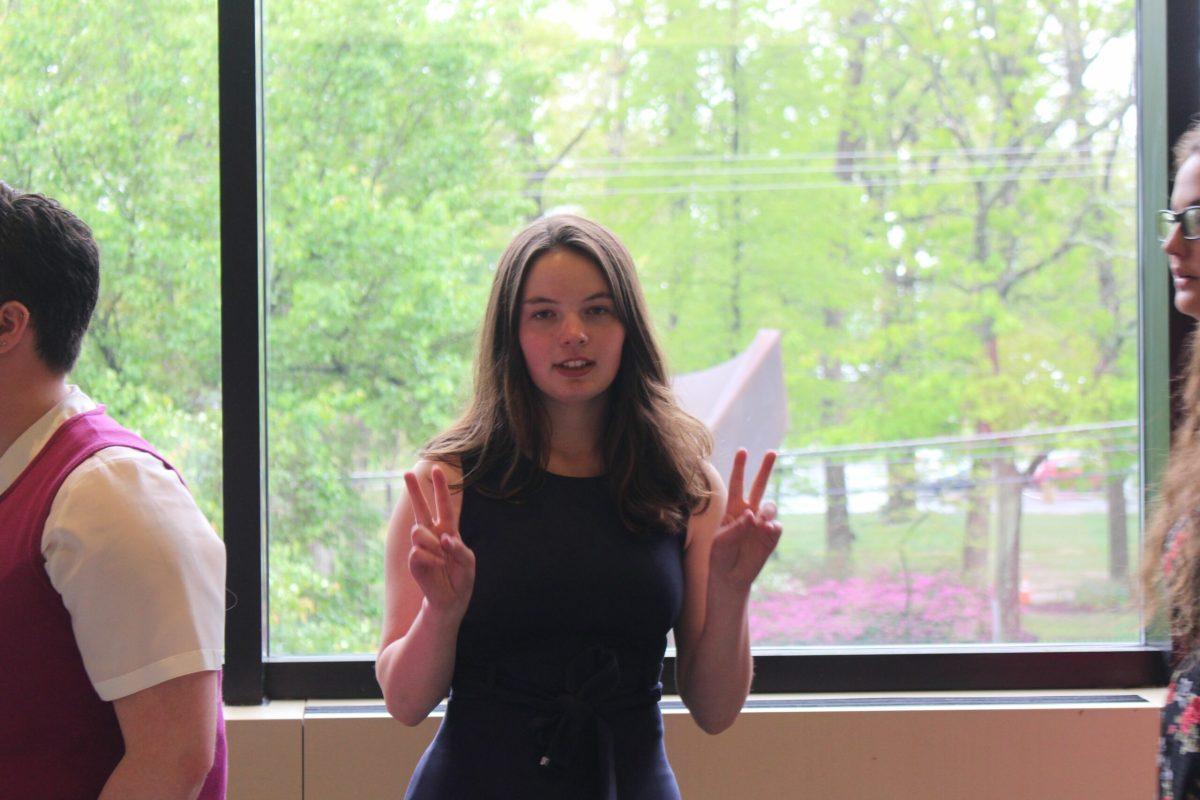
Panelists, Amy Streit and Jack Hanstein, mother and son, shared their experience of coming to accept Hanstein’s transition from female to male.
Hanstein said his childhood was spent being a tomboy. Not wanting to wear dresses, having an interest in sports, and rejecting the widely perpetuated stereotypes of what it means to be a girl.
By the time middle school came around, Hanstein found himself questioning his gender identity, expressing his feelings with a few trusted friends.
“I was scared of letting go of being a girl,” said Hanstein. “Because that was all I even knew.”
Discussions of gender dysphoria with his friends frightened Hanstein and triggered a complete overhaul of his personality. Attempting to bury these feelings, Hanstein tried dressing
and acting more feminine in middle school, but eventually, he realized there was no running from how he truly felt.
By junior year, Hanstein came to terms with his identity and wrote a coming-out letter to his mother.
Growing up in the ’70s and ’80s, Streit said she experienced a cultural disconnect when trying to understand her son’s feelings.
“It’s been a very busy six years of learning a lot,” said Streit. “Becoming educated about things that I didn’t know.”
Streit recalls when Hanstein, around four years old at the time, claimed “I am a boy,” after his older sister introduced him on a home video as her baby sister.
Streit said she feels a lot of motherly guilt for not realizing sooner that these were early signs her child might be trans.
“He knew who he was from a very young age,” Streit said. “It just took us all a while to catch up.”
But, in the end, she realized: this is not a choice for Hanstein, and he would not be going through the struggles of hormones, societal pressure, and identity change if he didn’t believe he was meant to be a man.
Hanstein said one way you can support transgender people is by becoming educated, keeping trans struggles in the public eye, voting for politicians who support the community, and not remaining a bystander if you see harassment or violence against a trans individual.
“Just be with us through thick and thin, when things are dangerous and difficult, that’s when we need you guys the most,” said Hanstein. “It’s important to stand together, because community is what makes us strong, and community is how we’ve gotten to this point.”
Another speaker on the panel was Rev. Ayden Petrone, of the Episcopal Church. Petrone goes by they/them pronouns and talked about their journey to the priesthood as a gender non-conforming person.
“Listen to people when they tell you who they are and what they need,” Petrone said.
As a reverend, Petrone focused on how spirituality and religion can exist alongside trans acceptance.
“People like to cherry-pick religious text, you might have heard ‘Well, God created man and woman’, cool,” said Petrone. “God also created day and night, and I’m quite positive that there is something in between.”
As a person who identified as transgender and went through the discernment process to become a priest, Petrone was met with much adversity.
They were discouraged from their goals of being a religious leader, and because they were born a woman, they were met with suggestions that they should be a deacon instead. As a transgender person pursuing a priesthood, Petrone faced significant adversity. They were discouraged repeatedly, and because they were born female, some urged them to pursue the deaconate instead.
But Petrone persevered, eventually becoming the leader of a parish — challenging the notion that trans people have no place in organized religion.
“A house of worship should be welcome to all,” said Petrone. “Whether that be in the Christian context, the Jewish context, the Muslim context-whatever it may be. I personally feel like I am called to love and to serve all, no matter how they come to me.”
At a time when public discourse frequently places queer and transgender people at the center of controversy, events like Trans 101 highlight the continued need for compassion, visibility, and community support.
For comments/questions about this story, DM us on Instagram @thewhitatrowan or email [email protected]