
































































































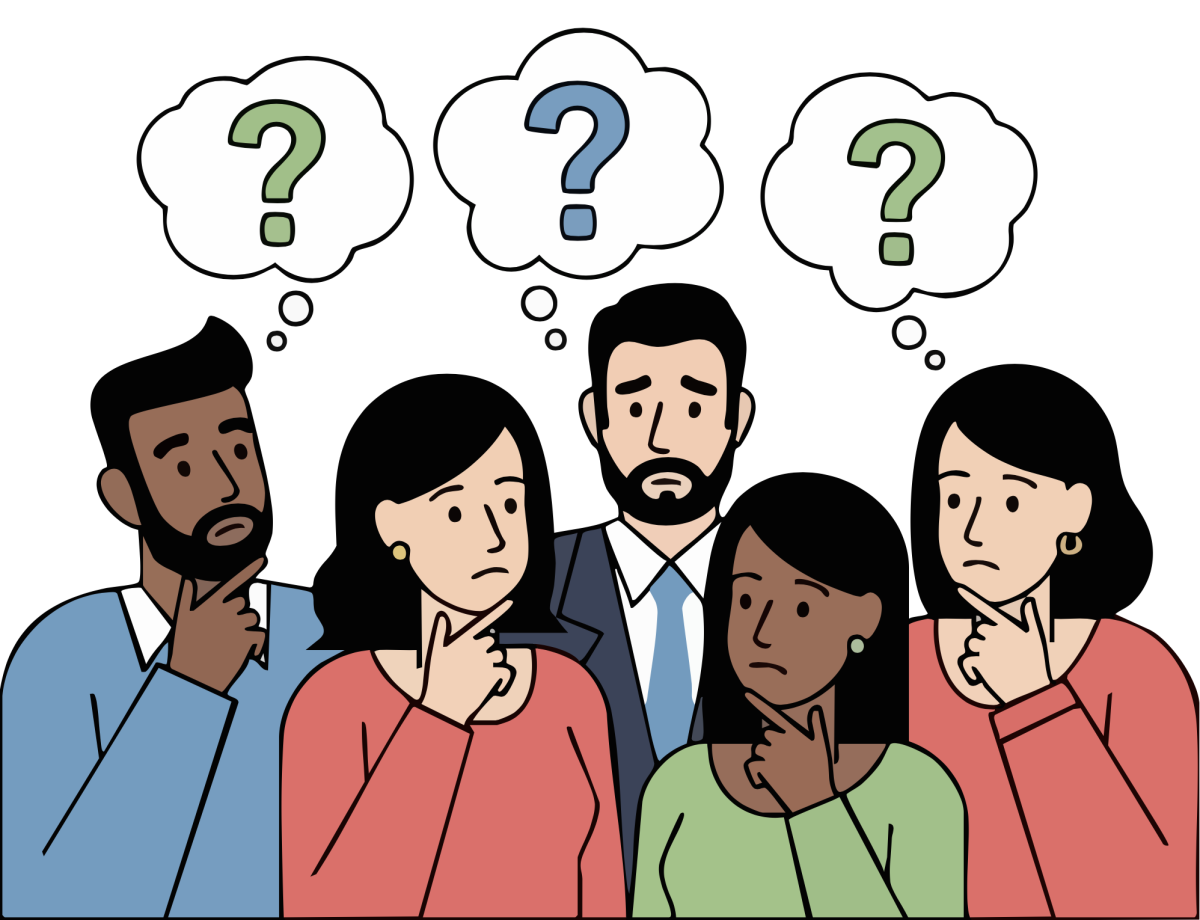











Have you ever been told you could talk to a rock? Well, if you have, congratulations, you have completed part one of mastering the art of conversation. In a technology-driven world, one would expect that conversations and speaking to one another are not a “required” skill to maintain.
Yet have you ever wondered why you grab your phone after an awkward pause, or how you may tense or let your emotions get the best of you while speaking with someone, or even avoid passing hellos on campus or in class? If you haven’t, that is okay; however, I want to encourage you to believe that there is a possibility that the skill of conversation isn’t to the standard it should be.
Ultimately, we have traded awkward and organic wordplay for the comfort of control. Leaving myself wondering, has the art of conversation been lost?
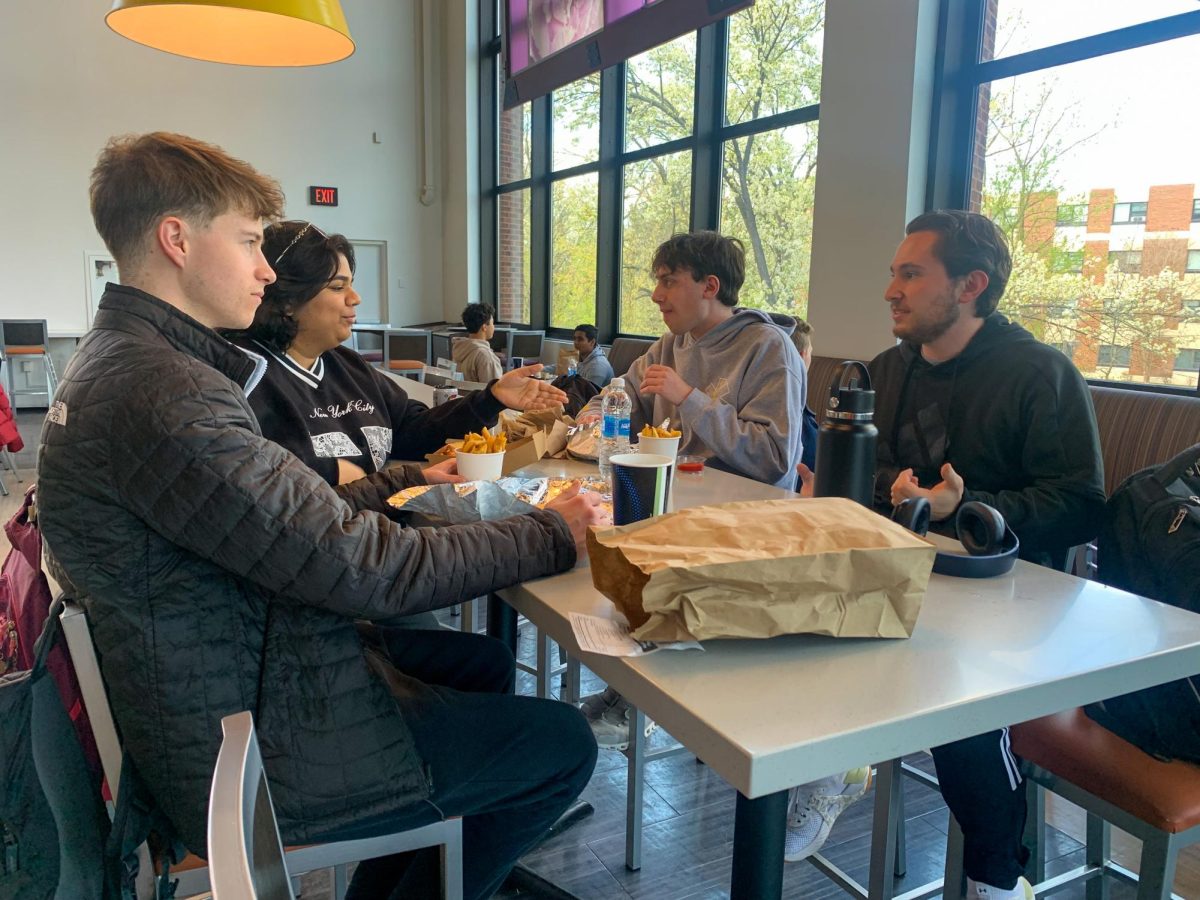
My answer is no. Conversion isn’t dead, just uncomfortable. And maybe that is the point? College is a time in our lives to be social, to have those awkward pauses while we all laugh over the meal we made in our 1950’s style kitchens. Yet these moments are dwindling alongside the conversations we share within them.
This isn’t due to students not wanting connections, but conversation has suddenly become optional.
We text rather than talk. We scroll as we sit in silence, letting the sound from whatever TikTok appears in the pit of doom play in the background.
Over time, we trade relationship curiosity for convenience, changing how we connect with one another.
Conversation requires presence; no multitasking and no editing with live mistakes and moments that aren’t smooth. Our culture has shifted from patience to speed and efficiency. As an awkward individual myself, I can attest that these moments are uncomfortable. And they are supposed to be. Yet we still avoid them.
When conversations start to stall, or you say the wrong term in response to a question, there’s a phone to ease the late-night thoughts of embarrassment. When something triggers our 13-year-old self, we check our notifications, hoping for an out, checking instead of pushing through. Slowly rewiring our instincts to pull out and not follow up with confident curiosity.
With constant access to the latest trends, YouTube videos, and viral moments, wondering feels unnecessary. Answers to our questions are available in seconds, the content is endless, and our algorithms tell us what we enjoy before we have a chance to agree.
But curiosity doesn’t expand from the press of an enter button. It flourishes when someone unexpectedly asks why. Without that practice, conversations flatten and become predictable, safe, and transactional.
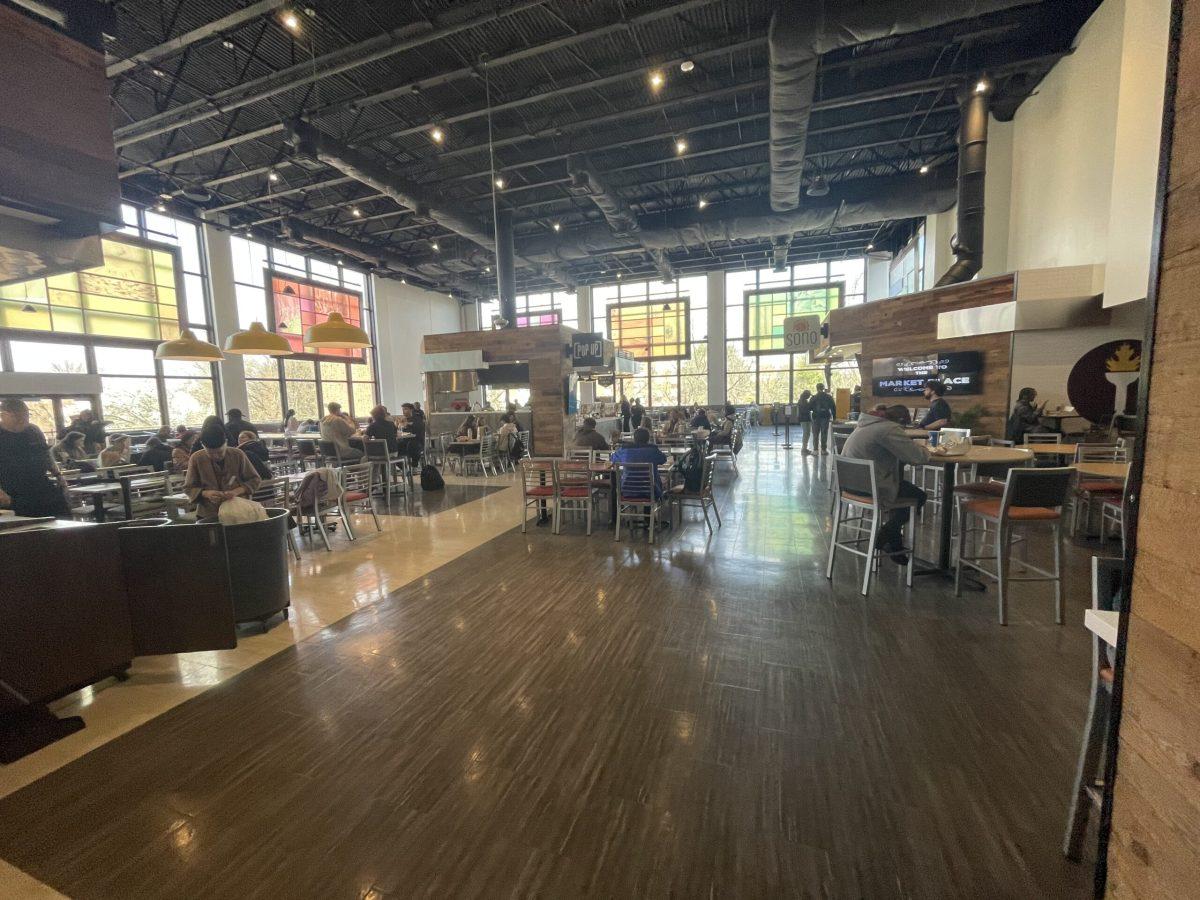
This happens everywhere on campus. In classrooms where discussions sputter before they begin. In social settings, everyone present is half worried about who is where and what they are doing. In friendships that exist within the confines of group chats, struggling to hold substance for meaningful moments.
Many of my fellow students and friends describe conversations as exhausting and flat. Those emotions don’t come from talking too much; they come from being out of practice.
Listening, reading social cues and body language, responding thoughtfully, and tolerating pauses are skills. Like any skill, they strengthen with practice and deteriorate if not used. Conversation is also where empathy is built and learned. It’s where we notice our favorite quirks of our friends, family members, and loved ones, such as when we pick up on the way someone says coffee: with or without a New York accent.
Losing these seemingly “easy” or “knowable skills” drives us further into dissonance with the people around us. Wherever you think you aren’t required to have a conversation, chances are you will. Just because we now share digital details of our lives doesn’t mean we are quicker to respond; we have become slower to ask.
Relearning doesn’t require a dramatic change in our lives. It begins with small talk, allowing silence to hold space, pausing before we speak, and not rushing to fill the tension of our learning moments. Ask one more question instead of ending the conversation, and keep your phone in your pocket five seconds longer. Choose the present.
Conversation was never meant to be effortless; it is messy and demanding, rich with the organic material of another individual. But it is also where curiosity thrives and connections.
On a campus full of voices, our challenge was never finding someone to talk to. So, is conversation lost? Or has curiosity dwindled?
For comments/questions about this story, DM us on Instagram @thewhitatrowan or email [email protected]