
































































































































Rowan University has been great at informing students about what’s happening on campus. From events, career opportunities, and even timely warnings, every student’s inbox is filled with everything they could ever need to have a fulfilling time on campus.
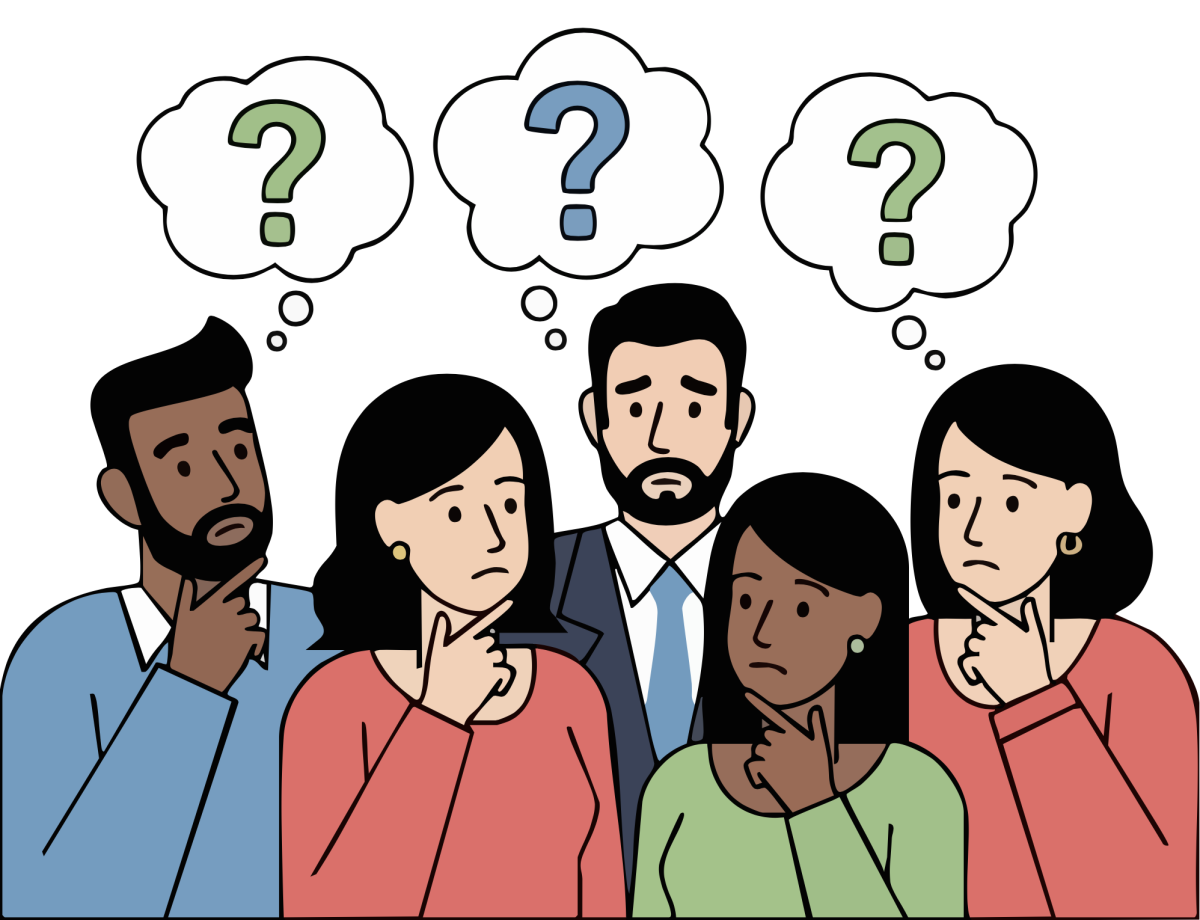
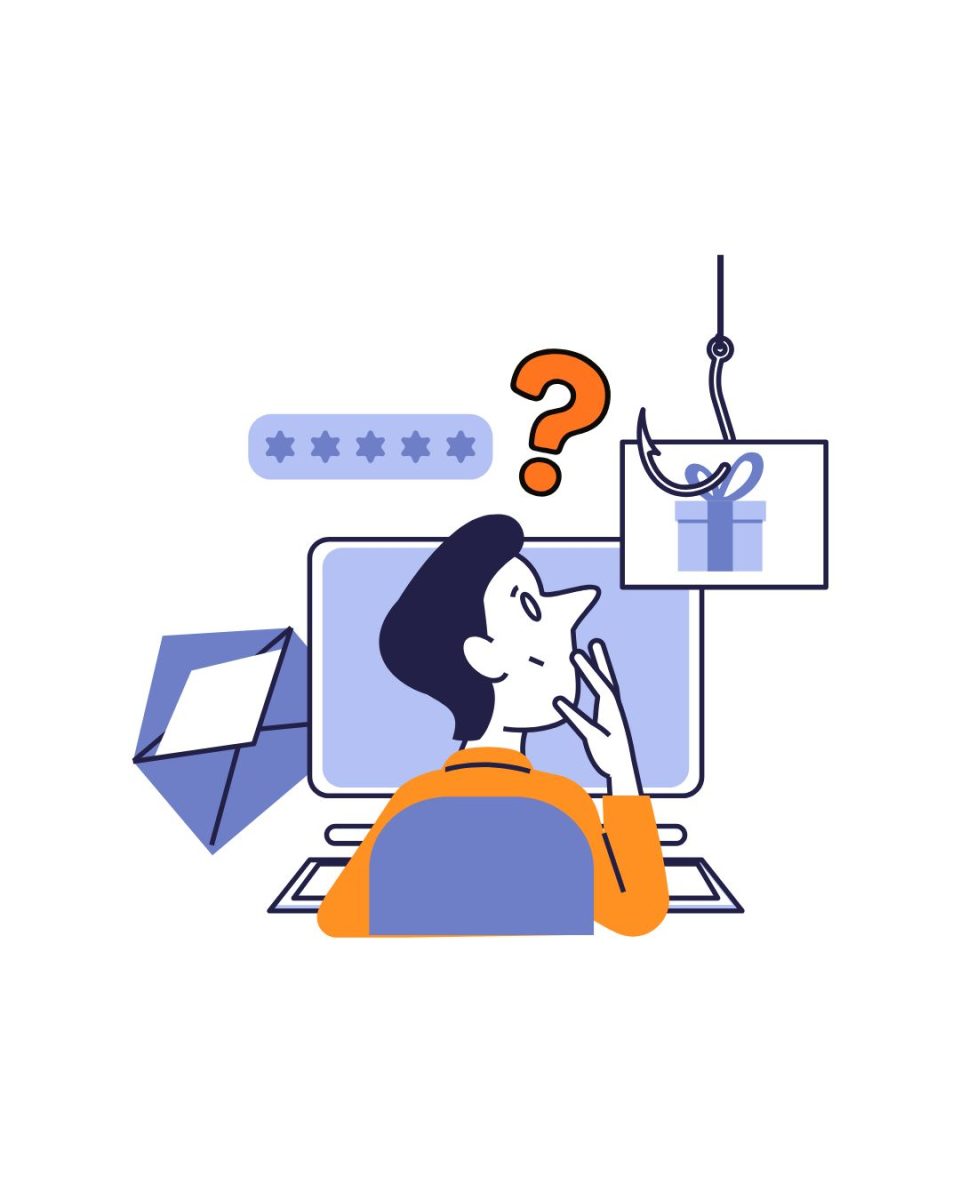
Funnily enough, it’s those same college emails that are easy targets for phishing scams — scams that deceive receivers into giving up sensitive information. One of the concerns of the emails is that some look no different than an actual scam.
After sifting through a few emails, I noticed that two examples of the more “reliable-looking” emails are the Rowan Announcer and the college-specific emails, such as Ric Edelman College’s weekly email. The Rowan Announcer has a graphic of one of the buildings on campus, and the individual college emails have the contact information of the associate dean and the location of their office.
In contrast to these official-looking emails, the research studies that are offered to students often appear far more suspicious. These studies are usually behavioral in nature and intend to track the participant depending on what activity or habit is being monitored. Emails like these have a name or organization listed as the sender of the email, but some things are still left unspecified, such as who exactly issued the email or how to verify their legitimacy.
Regardless of whether the email has a signature or not, these emails can be easily replicated by scammers. Most of the emails issued by these researchers usually amount to a wall of text lacking any form of verification and including suspicious links. Within the last year of 2025, 91% phishing attacks were sent via email, according to identitytheft.org. That percentage alone shouldn’t be that high, but it’s far too common and easy to create a fraudulent address.
One such email was recently sent with regard to a research study that, in order to sign up for it, you had to give away your Social Security number. This is required for participation in paid research studies, but when coming from one of these wall-of-text style emails, appears very untrustworthy.
To give credit to Rowan, they are constantly giving out reminders and training on how to spot and combat phishing scams, but it wouldn’t hurt to up the security and presentation of each email to make sure that students don’t have to feel worried that they may fall for a fraudulent email. We also have access to use Duo Security, which, even with its own problems, is probably one of the only fail-safes in protecting any information requiring a student’s Banner ID or Social Security number.
With all of this in mind, it would be more beneficial to find solutions in making these research emails appear more unique and official, as opposed to words on a white screen.
No matter what, students and staff alike should all take the time to review every email that enters our inbox, lest we fall for a real scam.
For comments/questions about this story, DM us on Instagram @thewhitatrowan or email [email protected]