















































































































Recently, my friends and I have delved back into our childhood love of collecting Pokémon cards. It’s a simple way to feel a small amount of the excitement and joy we felt as children. But what we soon realised is that collecting Pokémon cards is no longer a passive hobby. It must be treated as a full-time job.
Throughout the last few years, scalpers have turned the beloved children’s card game into a way to profit and overinflate the market. In other words, they buy the entire stock of Pokémon cards, almost immediately after stores restock them, and then either resell unopened packs of cards at overinflated prices or try to find certain rare cards to resell.
To be clear, reselling has always been a part of collecting Pokémon cards. The drive to find rare cards was not exclusively exhibited by hardcore collectors or eager children, but also by those who want to sell the rare cards to those collectors. However, it is only recently that the card has become less of a game or collector’s item and more of an investment.
Store shelves used to always be stocked with countless packs and boxes of cards. Now, the Pokémon section of all stores is completely empty, or kept behind the counter, such as at GameStop, which sells unopened packs at above retail price to try to deter resellers. This phenomenon has been frustrating to me, a college student simply trying to give in to his nostalgic desires, so I can’t imagine how frustrating it must be for kids who are Pokémon fans, who now do not get to experience the simple joy of opening a new pack of cards.
While people online blamed popular YouTuber and WWE star Logan Paul for turning the game into a profit-making machine after he hosted multiple livestreams where he’d open vintage packs of Pokémon cards, and wore what many consider the rarest card in the game around his neck during a WWE event, the responsibility for resale culture is not solely on him.
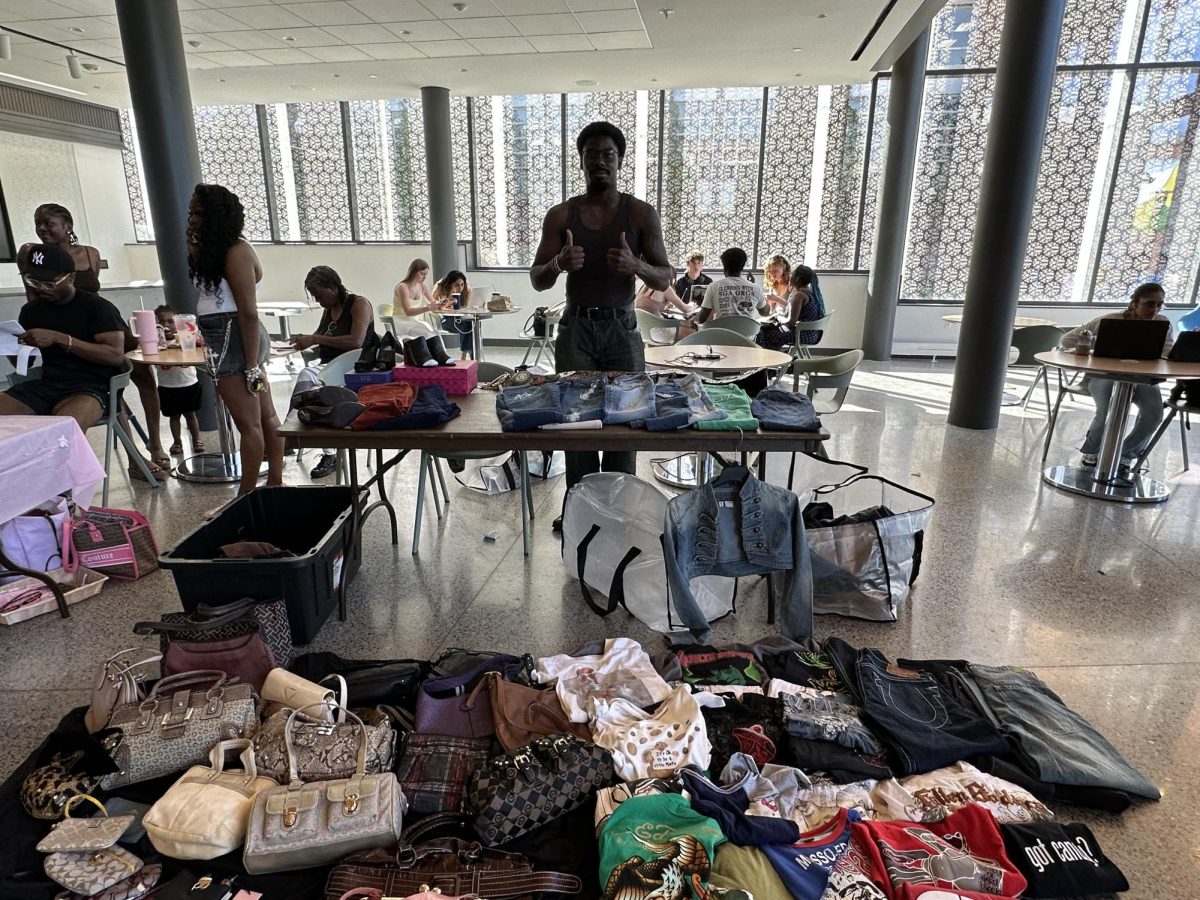
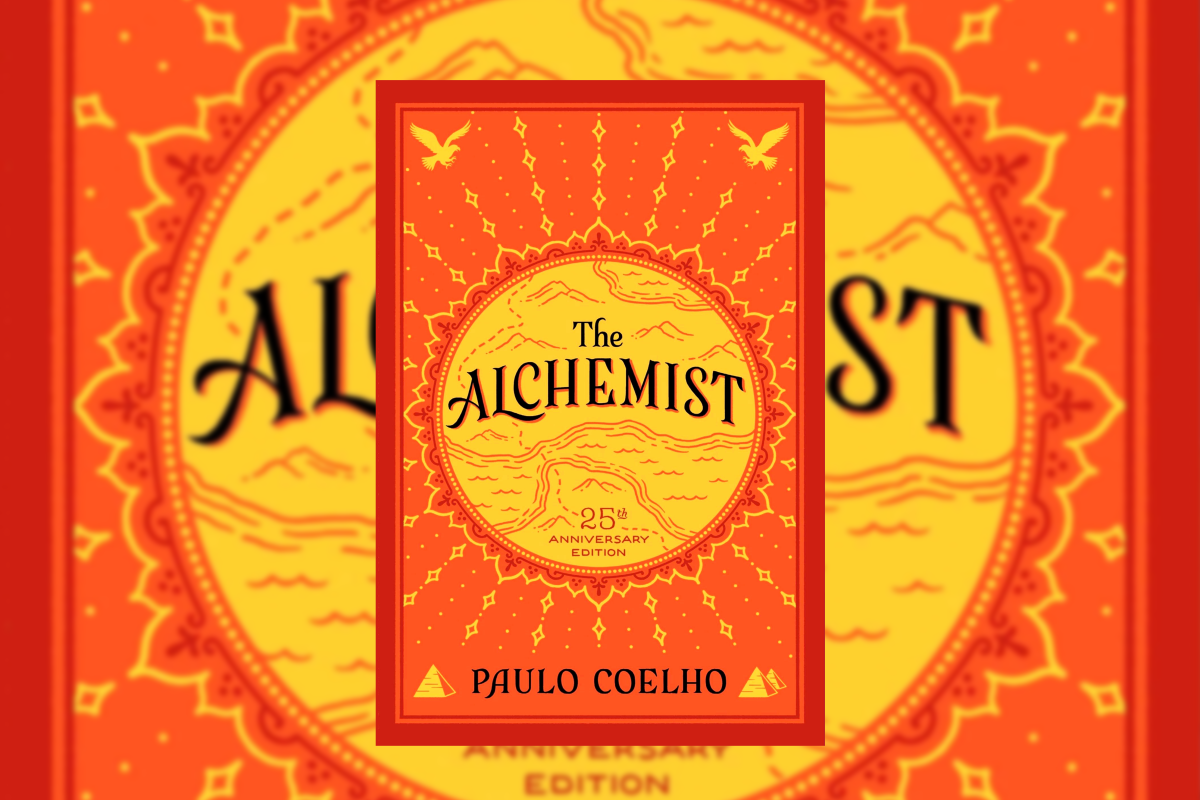
Pokémon cards are only one of many recent items and trends that have fallen victim to resellers. Popular online toy trends such as Labubus, books like “Heated Rivalry,” shoes, and even thrifted clothes have all had their prices overinflated due to scalpers.
This pattern of people’s hobbies and passions being nearly impossible to engage with due to resellers is a direct result of Gen Z’s overconsumption of social media algorithms and their fear of financial insecurity.
But can’t we consider the cost it has on others?
While times may seem tough, every generation has faced financial insecurity and fears. There have been financial depressions, wars, inflation, and other factors that have all caused insecurity. TikTok trends combined with this fear have created the perfect storm, where the real victims are the kids and hobbyists, whose toys and collectables are no longer available to buy.
And while resellers may be making money off of these trends and helping themselves through financial worries, they are sending the average person into more fear as they purchase items sometimes at double the retail price, thus driving those prices up.
It should not be the case that anytime a toy, book, collectable or article of clothing gains attention online, that suddenly, the general public can no longer buy these items for a reasonable price.
In the big picture, little of this is about the cards or items themselves. For resellers, it is about the money. But most importantly, for the kids, it is about having the small amount of joy that comes with opening a pack of cards or owning a trendy toy to show off to their friends. And, although it is unlikely to happen, I hope that we as a society choose to value feelings over finances.
For comments/questions about this story, DM us on Instagram @thewhitatrowan or email [email protected]