











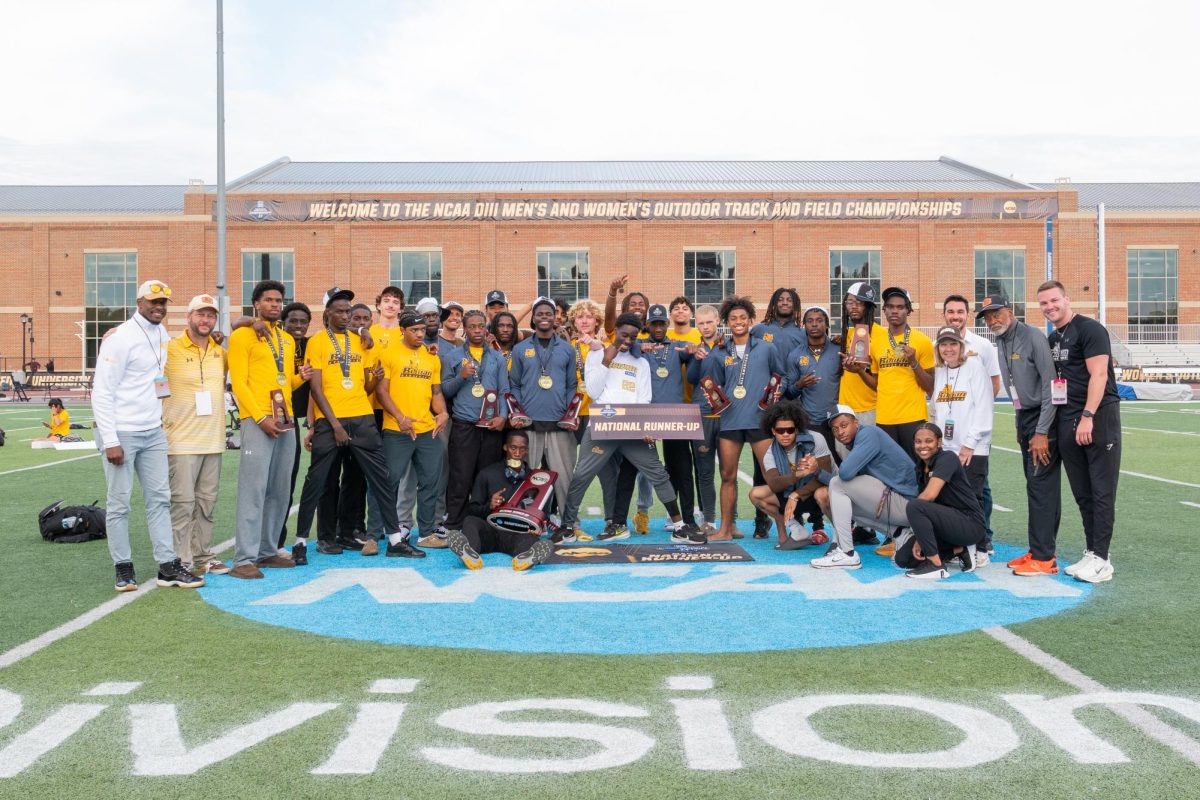




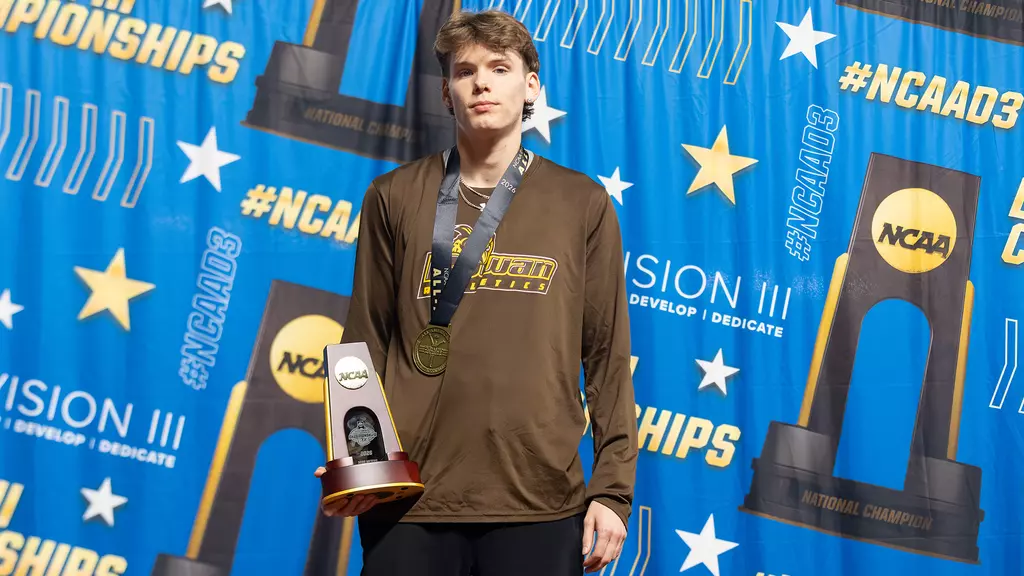
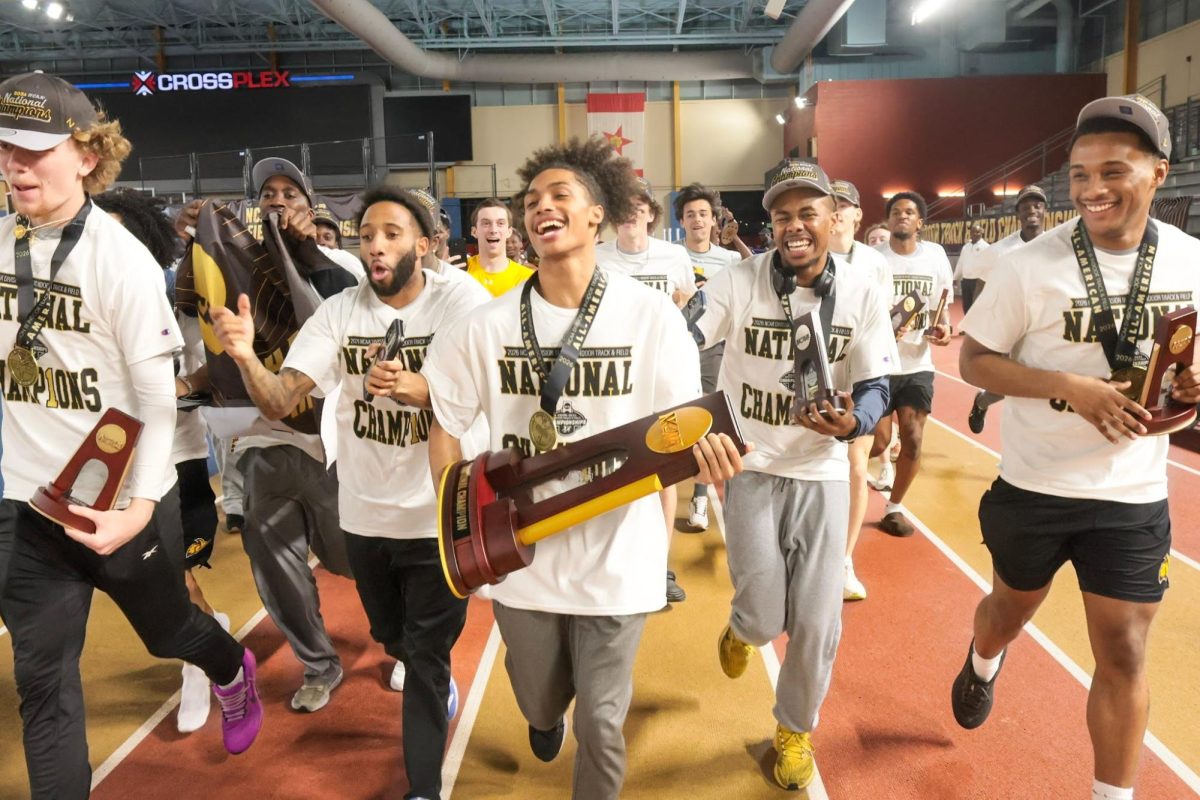












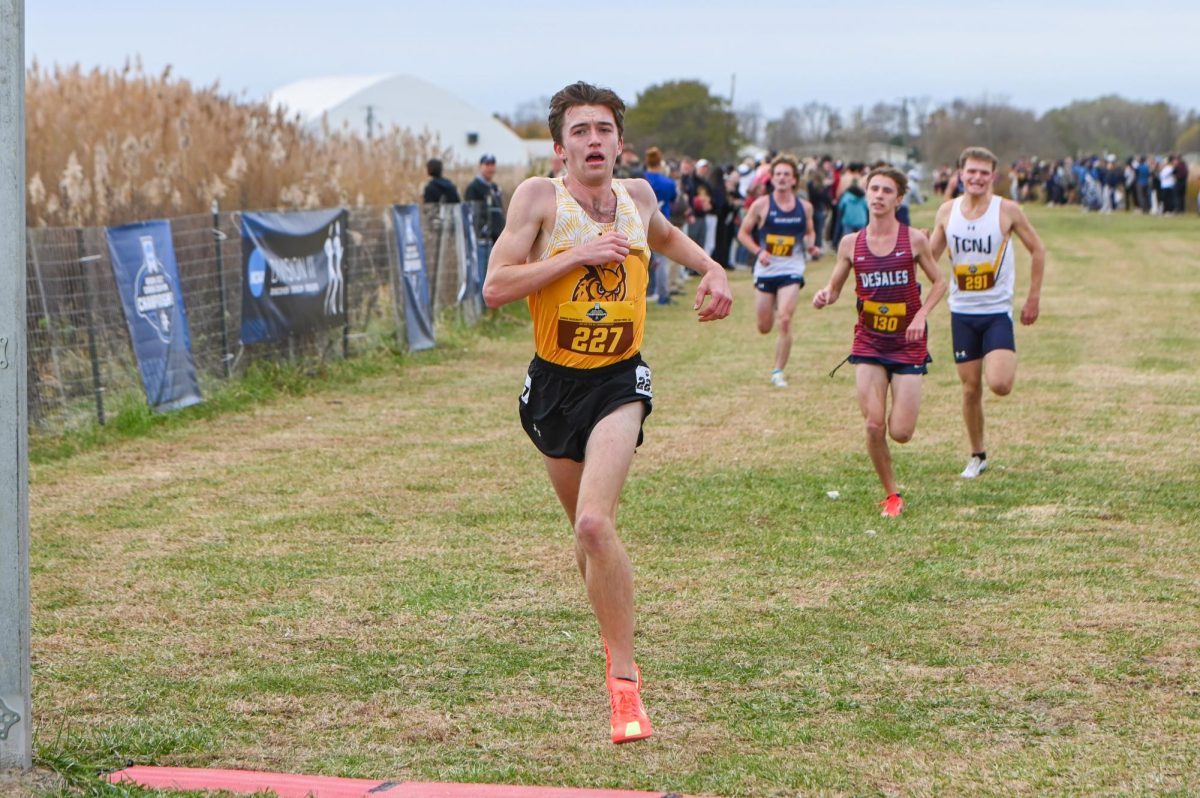


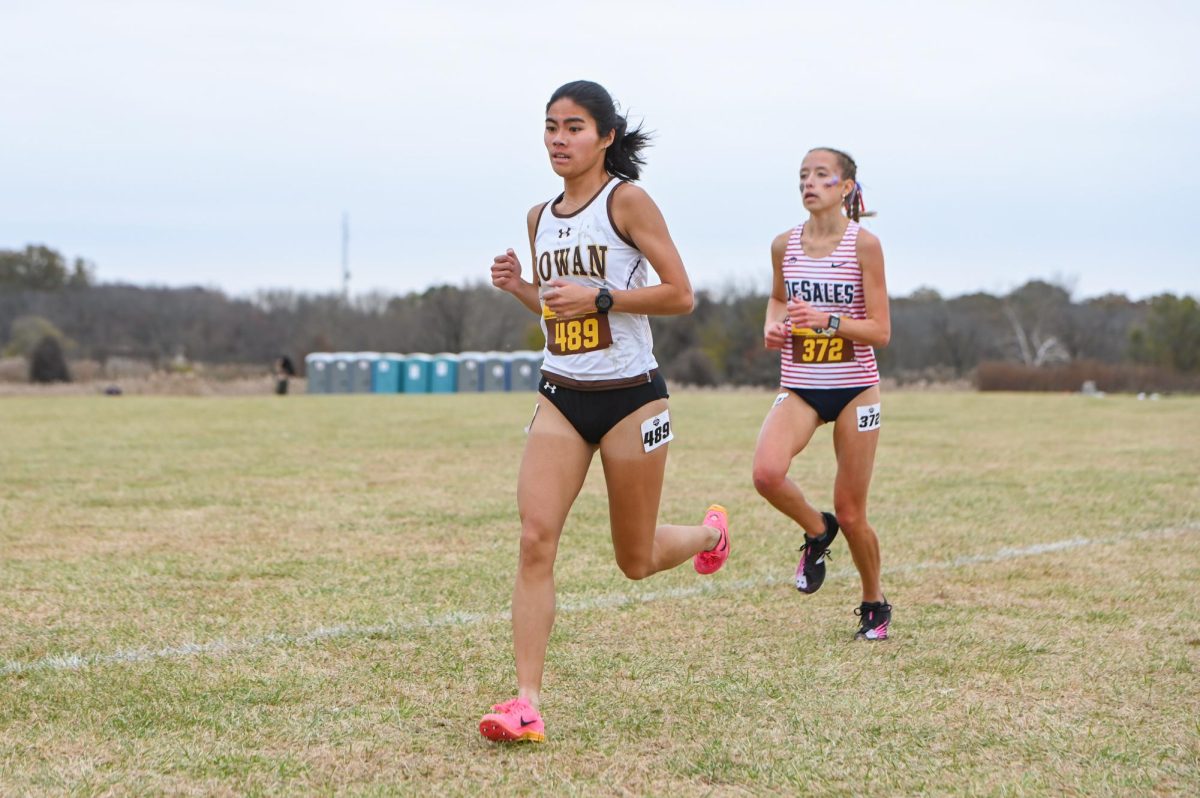










































A little under a month ago, the allegations of Seth Clevenger, a Track & Field runner who won the 3000-meter and 5000-meter events at this year’s NCAA Division III Indoor Track and Field Championships in Birmingham, Alabama, enhancing his performance with banned substances, had come to light at Rowan University.
Since then, there have been an abundance of people, such as students, student-athletes, and outside spectators, who have demanded that Clevenger either publicly admit or deny these allegations or that he be removed from the program entirely.
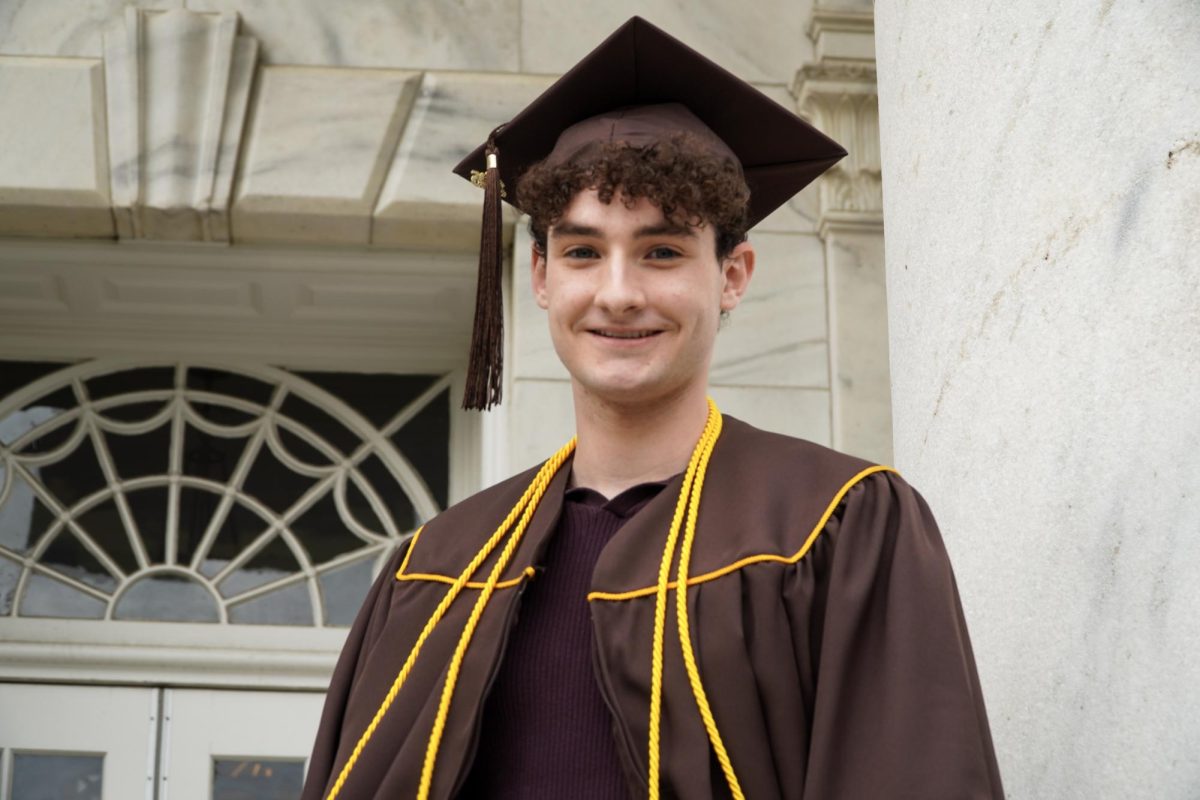
Andrew Cavanagh, a senior non-athlete at Johns Hopkins University, has been leading the charge to get Seth Clevenger removed from the track program and keep Rowan Athletics accountable.
“My concern is primarily with the precedent and the set of circumstances established for the future of the sport,” said Cavanagh. “When an institution like Rowan or a governing institution like the NCAA is presented with documented evidence of the reported usage of banned substances and chooses to rely on procedural extensions and hide behind (Family Educational Rights and Privacy Act) FERPA regulations rather than pursue transparent investigation, it sends a damaging message to every athlete within the sport.”
Cavanagh started an Instagram account called Rowan Clean Sport Initiative around the time the doping allegations surfaced to the student body. Since starting this account on March 14 and crafting an initial post the day after, it has grown to over 850 followers and about 30 posts. The purpose of this Instagram, according to Cavanagh, is to bring awareness about drug use in sport as well as expose Rowan for their non-transparency about their student athletes. Cavanagh sees this as a systematic failure, making petitions and emailing school executives to speak on the matter.
“Rowan’s response has been characterized by a preference for administrative silence over transparent engagement,” said Cavanagh. “After failing to provide a meaningful response to my outreach for weeks, Rowan issued me a cease and desist request the same day I filed my (Open Public Records Act) OPRA request. I find this sudden shift from silence to legal action to be highly suspicious.”
When The Whit reached out to Melissa Wheatcroft, Rowan’s General Counsel, she declined to give an interview, instead choosing to relay what had been put out in the public statement from Rowan Athletics.
“Rowan University is aware of media reports regarding a student-athlete’s prior participation at another institution. As a matter of policy and federal privacy law, the University does not comment on specific individual student matters,” said the statement. “All rostered student-athletes competing for Rowan University Track & Field programs are both academically and athletically eligible to compete. We will continue to monitor all of our programs and ensure they are in the best position for team success.”
On March 19, Cavanagh was issued a cease-and-desist request from the university, which was written and signed by Wheatcroft. Almost immediately, this letter was shared through an Instagram post on the Rowan Clean Sport Initiative account.
“Your repeated, unsupported attacks are harassing and may constitute actionable defamation,” said Wheatcroft in the letter. “These communications are damaging to Rowan.”
On the same day that Cavanagh was issued the cease and desist, Cavanagh also submitted an OPRA request for all internal and external communications sent or received by Shawn Tucker, Rowan’s Athletic Director, and Dustin Dimit, Rowan’s head track coach. The OPRA request asks for any and all records regarding Clevenger’s eligibility and recruitment as a student athlete.
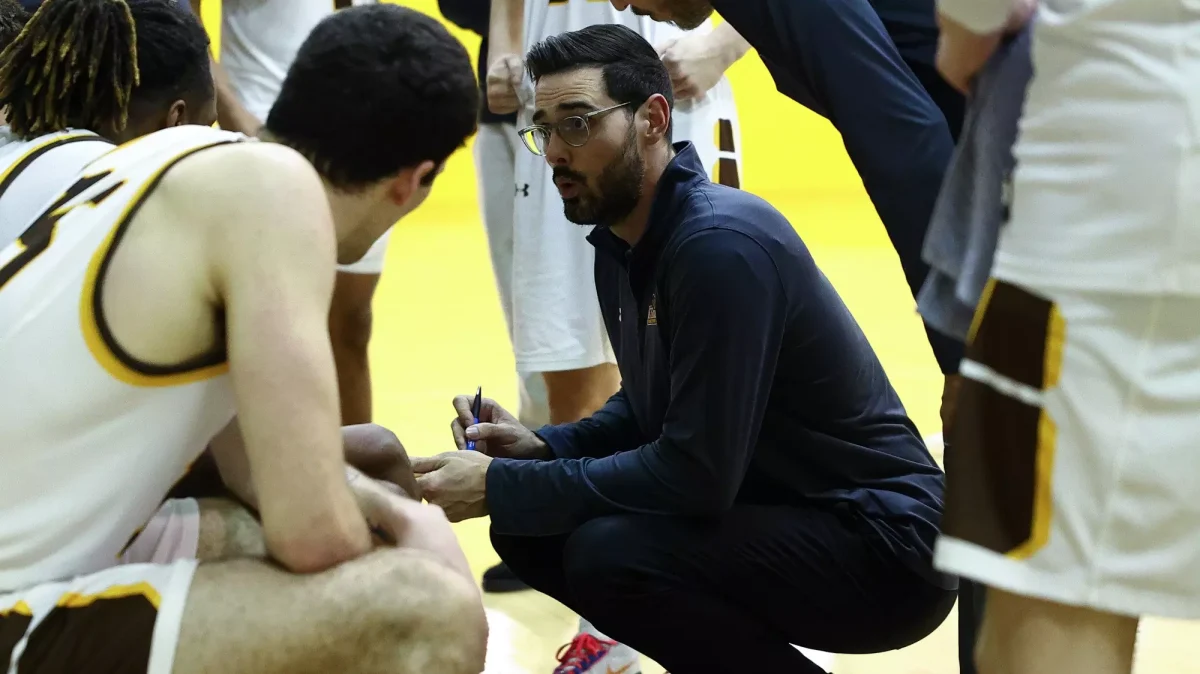
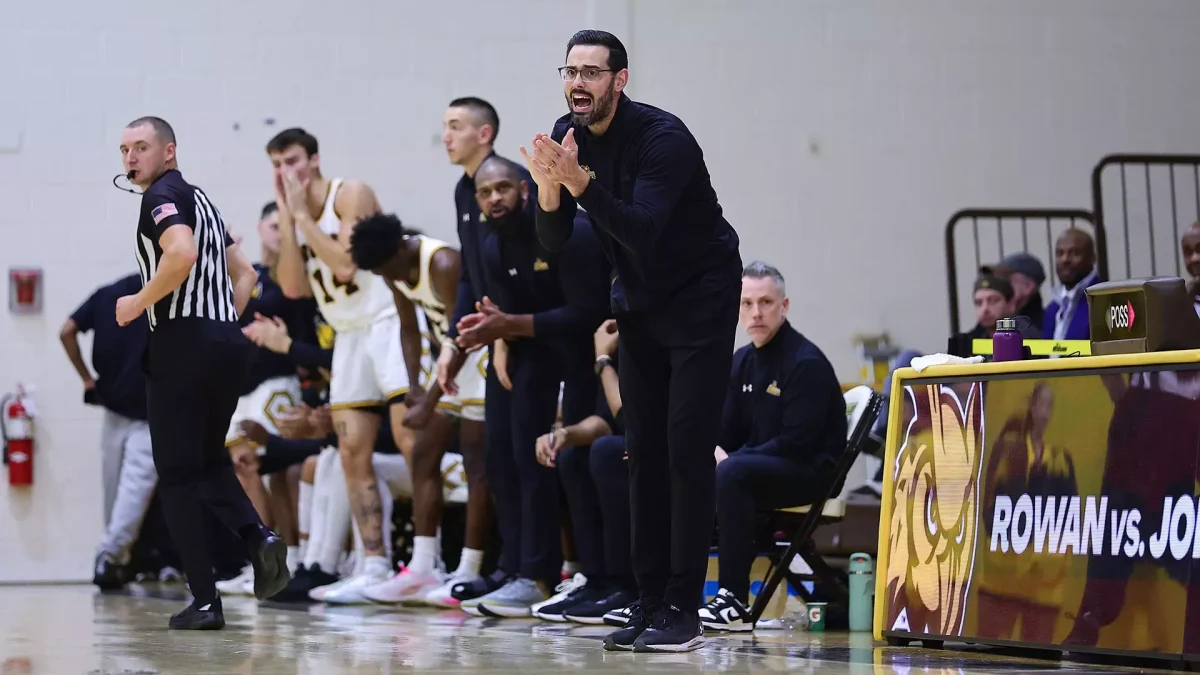
The Whit has also reached out to Shawn Tucker, Rowan’s Athletic Director, and Dustin Dimit, Rowan’s head track coach, for interviews. Tucker never responded to The Whit’s initial email, whereas Dimit had Rowan Athletics Communication speak on his behalf, forwarding the email to them.
Cavanagh has a larger movement at hand: keeping all sports at the NCAA level clean and keeping the athletic programs accountable for their athletes. While his movement is not wholeheartedly about Clevenger, it was where he was able to gain the most traction and support.
“My objective is not focused on a single individual but on the integrity of the system itself. Mr. Clevenger’s allegations and the handling of them by the institution serve as a timely study of a larger problem in the NCAA,” said Cavanagh. “I am advocating for the NCAA and member institutions to uphold a standard where documented evidence of banned substances carries real consequences.”
For comments/questions about this story, DM us on Instagram @thewhitatrowan or email [email protected]


Matt Conway • Apr 17, 2026 at 12:45 pm
This is embarrassingly uninformed and biased on the part of the Whit in what amounts to a silly attempt to spark outrage and drive clicks. You are willfully refusing to include, or ignorant of, FERPA and privacy laws/regulations and NCAA policy, rules, and regulations in a way that is unfairly damaging to a Rowan student. You are making this sound like a huge cover-up when, in fact, all internal actions are required by law to remain confidential when related to the investigative, academic and/or disciplinary actions the university takes for/against a student. The Whit’s editorial staff have failed in their duty to produce fair, informed reporting.