














































































There is a very specific kind of person walking among us. You’ve probably dated them, or at least romanticized them. I certainly have. If we’re being honest, then you might’ve mistaken them for “the one” after the third good morning text and the unsolicited paragraph about childhood trauma.
News flash, they are not “the one.” Instead, they are addicted to the beginning. No, not you or the relationship you have with each other. And they’re not attracted to the slow and unglamorous, sometimes mundane work of actually loving another human being. To start, it’s really that spark. The opening montage for everything that feels fated, but nothing requires maximum effort.
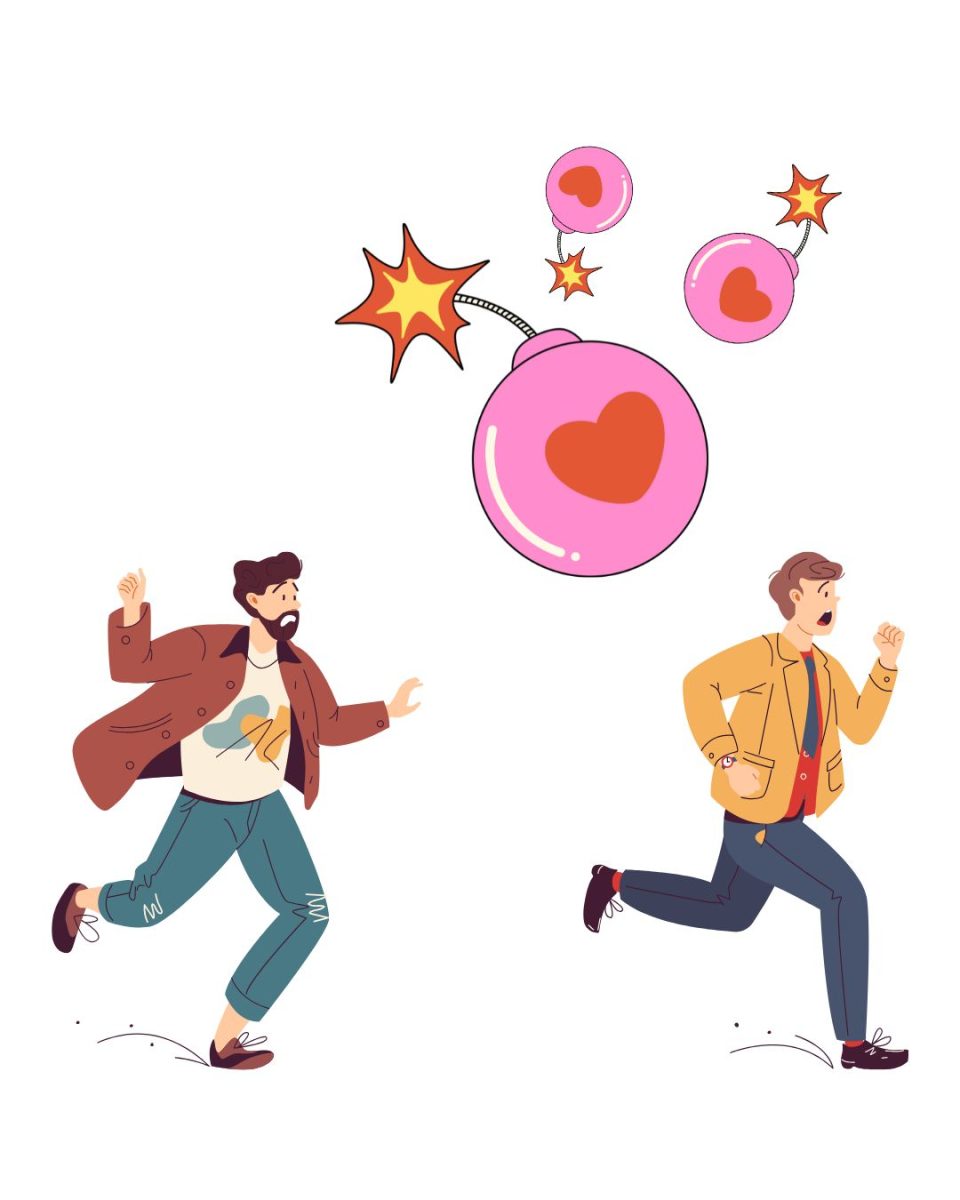
They are, quite simply, honeymoon phase junkies. More eloquently, what they do is called love bombing. It’s a manipulative technique that often involves bombarding someone with excessive affection, compliments, and gifts in the earliest stages of a relationship. Love bombers often seek to gain control of others and create a false sense of dependency.
Now, let’s be real, when the alternatives are ghosting, breadcrumbing, and someone who texts you “Hey,” every four business days, a person who actually seems excited about you feels almost revolutionary. Miraculous, even. You start thinking, “Wow, they’re really into me,” instead of the more accurate thought, which is, “They like the idea of liking me.”
There’s a difference.
The addiction of start isn’t about connection. It’s more about chemistry. Dopamine and oxytocin, to be exact. The emotional equivalent of chugging an espresso and calling it a personality. That early rush? It’s intoxicating. And for some people, it’s the only part they ever intend to stick around for.
Because the moment a relationship requires maintenance and effective communication, like coming to the decision on whose turn it is to pick a restaurant, they vanish like the great Houdini.
These people are serial idealizers. They jump headfirst into a pool of love rapidly and intensely with an alarming frequency. Every new person for them is somehow different, and the connection they claim to have with you is supposedly deeper. For some reason, the first date is somehow the beginning of an epic love story. That will absolutely, most definitely, without a doubt end in about three weeks or less.
And yet, somehow, we keep falling for it. If I had a nickel for every time I’ve personally ended up in this cycle, I’d probably be able to buy an Arizona Iced Tea.
Part of the problem here is that we’ve been culturally conditioned to believe that love is supposed to feel like a euphoric lightning strike. They say it should feel immediate and effortless. I don’t fault anyone who believes this, as we’ve grown up on love at first sight movies. If it’s real, it’ll be easy. After all, instant chemistry equals destiny, right?
So when someone comes in like a torpedo with an array of compliments to shower you with full attention, and offers you their vulnerability, we don’t question it.
Instead, you’re neglecting the fact that your entire nervous system is going haywire and your gut is quietly whispering. “Hey…this is a lot.”
But let’s be honest with ourselves, who listens to their gut when their phone is buzzing every 30 seconds?
This is another part of the trap, the constant notification high. A myriad of good morning and night texts. The “just thinking about you” messages. The TikToks, memes, and check-ins. For a brief moment, it’s glorious because you are the main character who is desired and seen.
Or at least, it feels that way.
In reality, it’s less about romance and more about digital overstimulation. A steady drip of attention that mimics intimacy without actually building it. It’s not the connection, it’s the consumption. And you are both the audience and the product.
Then there’s the trauma dumping.
Nothing says healthy emotional pacing like a 7-minute voice memo on night two detailing every formative wound they’ve ever experienced. It creates this immediate, intense sense of closeness and feels special.
But what it actually does is fast-forward intimacy without earning it. It skips the slow burn and drops you straight into emotional deep water, where suddenly you feel obligated to match that vulnerability.
Congratulations. You are now in a one-sided therapy session disguised as a talking stage.
And just when you think it can’t escalate further, they introduce the concept of a future with you.
Not casually or hypothetically. No, this is a full set production. We’re talking about festivals next summer, the trips you’ll take after college, moving in together, and joking about your future children, as though you’ve already been legally bound by the state.
In a world that feels unstable, quite uncertain, and frankly exhausting daily, that illusion of certainty can be both promising and addictive. Someone who speaks about the future like it’s set in stone can feel grounded and safe.
But listen to me, none of it is real. It’s simply a projection and a fantasy of one’s own emotional manifestation with a co-star who hasn’t even auditioned for the role to play a supporting character in your life.
Then comes the validation.
Weaponized, targeted, deeply personal validation.
It hits differently and feels deeper. Like they see something in you that no one else has.
And perhaps they do.
Or maybe they’ve just said the same thing to the last three people before you.
Now here’s the ugly truth, people who are addicted to the start are not building relationships. They are simply chasing feelings, which don’t require any maintenance.
But people do. People get tired, we disagree, we can be inconsistent, complicated at times, and utterly annoying. It’s messy, and it’s meant to be; a real connection isn’t constant fireworks; it’s about showing up when there aren’t any sparks flying.
Which is the part that love bombers can’t handle?
What they fail to realize is that they just don’t leave behind a trail of tears. They leave behind people who must sift through the wreckage, confused and hurting, wondering what went wrong.
And that’s my exact experience with a love bomber. It was so bad that it caused my anxiety to spike and to hit a low point in my life that I couldn’t quite recover from until March of the following year. Exactly one year after we officially kicked things off. My experience isn’t unique, but there are other people who’ve experienced what I had.
Here’s a comforting truth. It was never meant to last. Not because you weren’t enough or because you did something wrong, but because they were never ready for the long haul. Quite honestly, they’re missing out on the epic road trip that we call life, and that’s their loss.
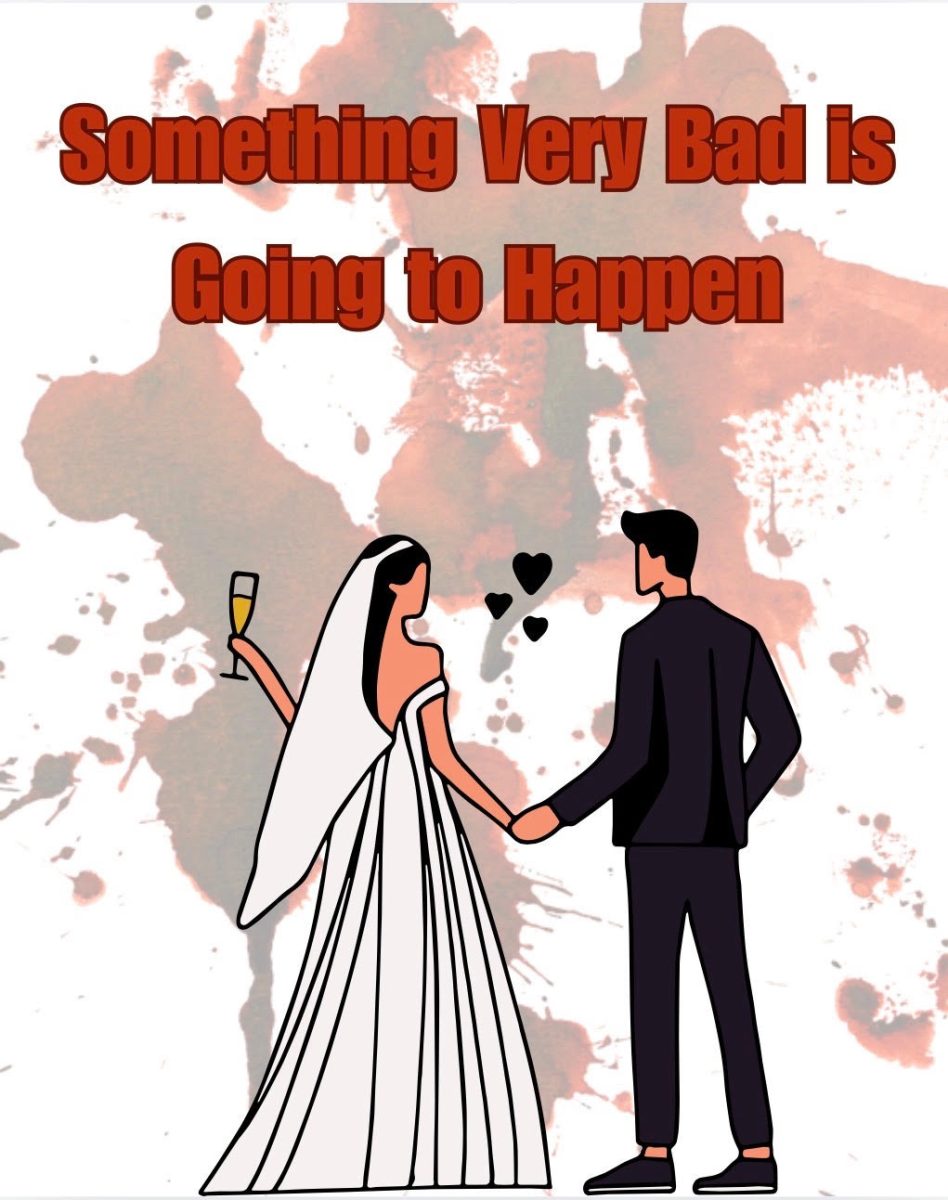
While there are no antidotes, there’s more than just learning how to spot a walking red flag. If someone’s talking about a wedding after two FaceTime calls, ask yourself, would I even be ready for it?
It’s building a sense of self that isn’t so easily swayed by intensity. It’s recognizing that real love doesn’t need to convince you it’s real within 24 hours. It doesn’t require constant reinforcement to exist.
True love is slower, a lot quieter, and less cinematic unfortunately. Which might be the hardest part to grapple with. Because we’ve been talking about chasing after fireworks. But fireworks burn out eventually.
The real challenge is learning to appreciate the slow burn without mistaking it for boredom. More importantly, you don’t need someone else’s intensity to prove your worth.
Even if they text you good morning first.
For comments/questions about this story, DM us on Instagram @thewhitatrowan or email [email protected]