
























































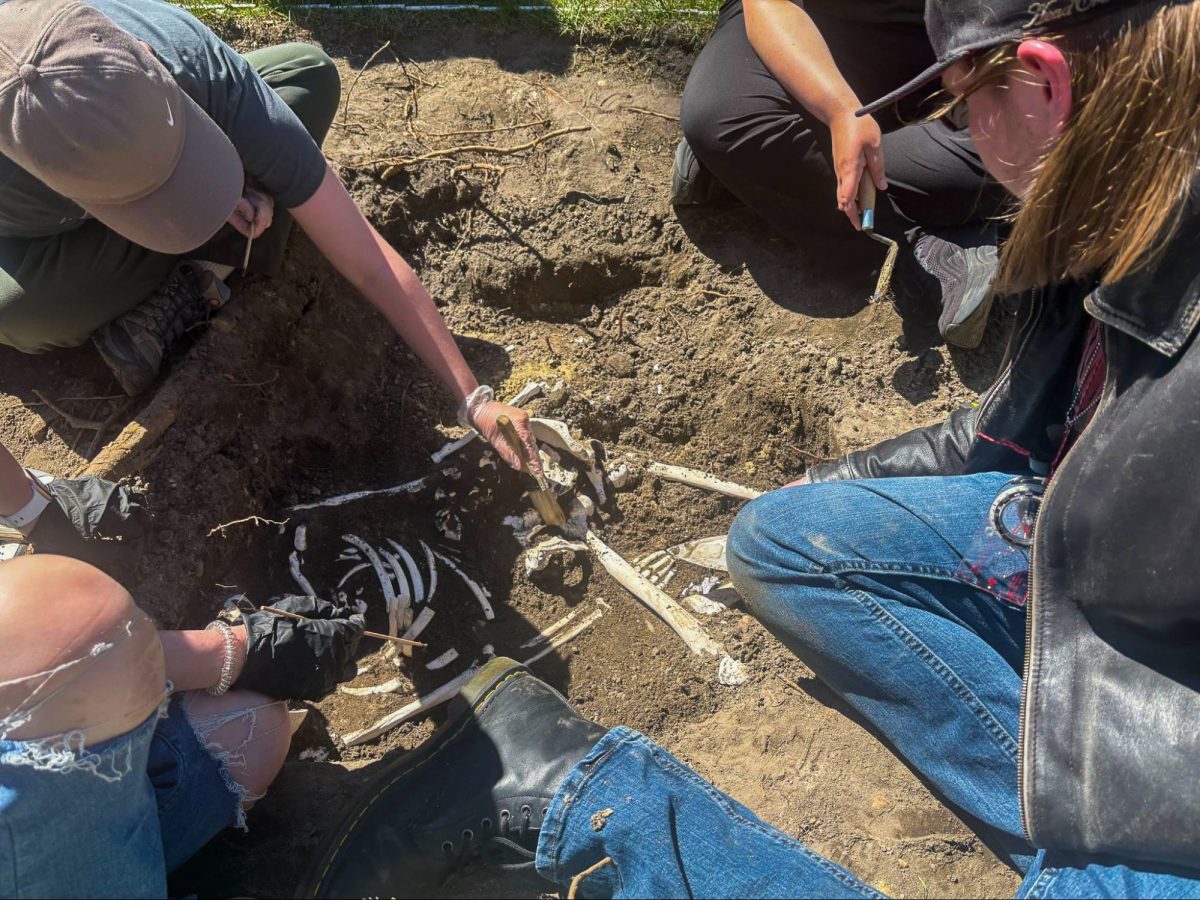
On a small plot of land along Chestnut Branch Drive near the engineering building, it may look like a crime scene, but it’s actually a classroom. For students of the forensic anthropology course, it’s one of the most hands-on experiences they can have.
The students of the class worked on a simulation of a crime scene, first starting bright and early in the morning, and lining up near the parking lot of the engineering building.
From there, they walked straight down until they found any sort of evidence, whether it was disturbed soil or a piece of trash, and documented it, putting a flag right next to it.
Each of the 26 students had a job to do, from digging to sifting through the dirt or recording and mapping the evidence. There was even a designated public relations person.
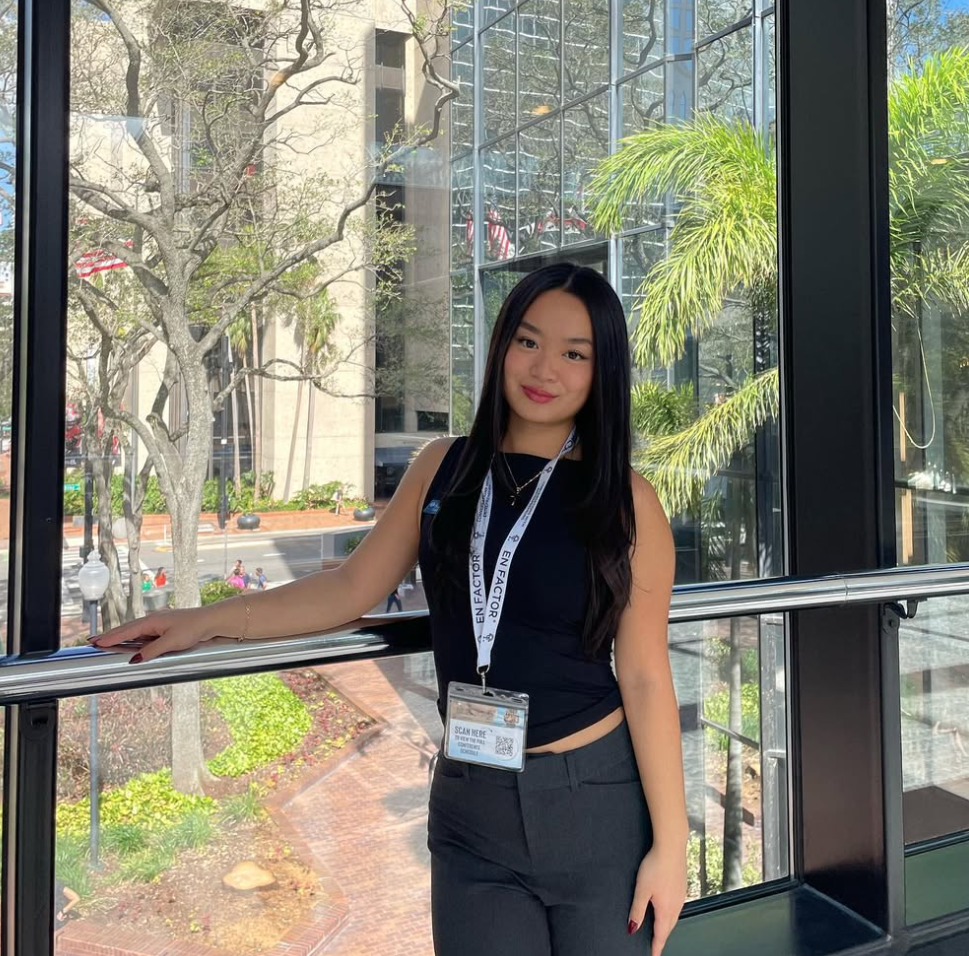
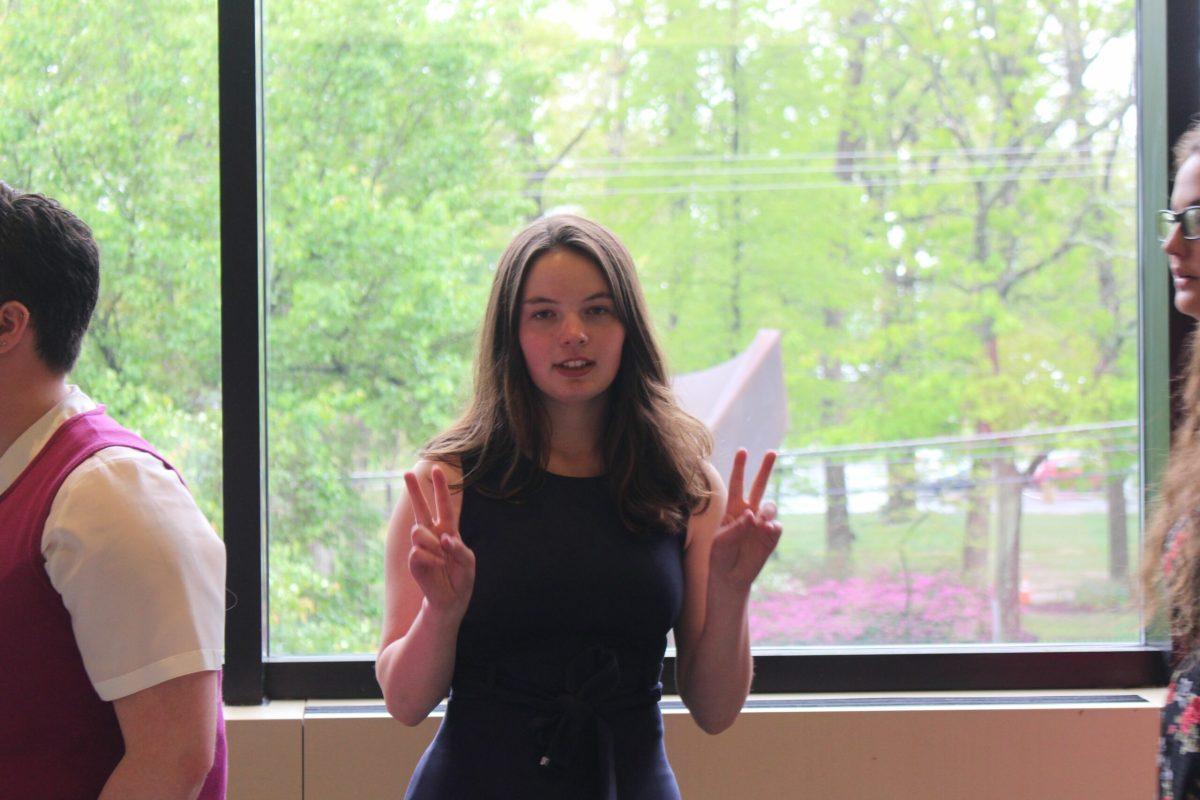
Nina Pantaleone, a writing arts major, was assigned the role of public relations, and said the exercise helped bridge classroom learning with real-world experience.
“I think it’s a great way to understand how the real world works in a crime scene,” said Pantaleone. “It’s a good way to simulate some archaeological methods as well. Teaching students how to properly collect evidence, keep detailed records, and manage scenes like this.”
Pantaleone even held a clipboard with a statement of the “crime” that had happened.
“Miss Betty Nylund was contacted by Detectives Mulder and Scully, who discovered she was on the security footage from Glassboro High School, shown walking her dog, Cheesecake, nearby that night, and they questioned her …”
At 11:44 a.m., they began digging for the plastic skeleton, gradually uncovering evidence such as jewelry, beads, and even a couple of pieces of chicken liver, which was specifically added this year.
Brendan Coulthurst, who’s studying history and anthropology, believes that the techniques are something that everyone can learn.
“Just the techniques of itself, of digging up the pit over there, it’s a great archaeological experience as well as forensic experience,” said Coulthurst. “It’s a whole lot to learn, a whole lot to figure out as we’re going, but it’s a lot of fun.”

Every two years, this course is offered. For professor Anna Getler, this is her third year since she’s been teaching at Rowan.
Getler is also a Rowan alumnus and first took the course as a student back in 2014.
“We give them room to do anything they’re interested in doing,” said Getler.
After the digging and sorting of evidence, the students bagged each little part of the evidence and bones of the plastic skeleton, and will bring it back to the lab to study.
The excavation lasted all the way up until three in the afternoon, and on the week of the finals, they will present their entire case report.
“When my class did it, we did a forensic profile, like a psychological profile. We had an entomology profile,” said Getler. “We could give them examples of reports, and they can create their own reports.”
For comments/questions about this story, DM us on Instagram @thewhitatrowan or email [email protected]