




































































































































Political violence isn’t new, especially in America’s bloodied, war-torn history.
Modern-day political violence is unique in that many high-profile cases are often committed by individuals, acting alone, rather than conspiring with a collective.
Instances include: Tyler Robinson, Charlie Kirk’s assassin; Luigi Mangione, Brian Thompson’s assassin; Vance Boelter, Melissa and Mark Hortman’s assassin; David Wayne DePape, Paul Pelosi’s attacker.
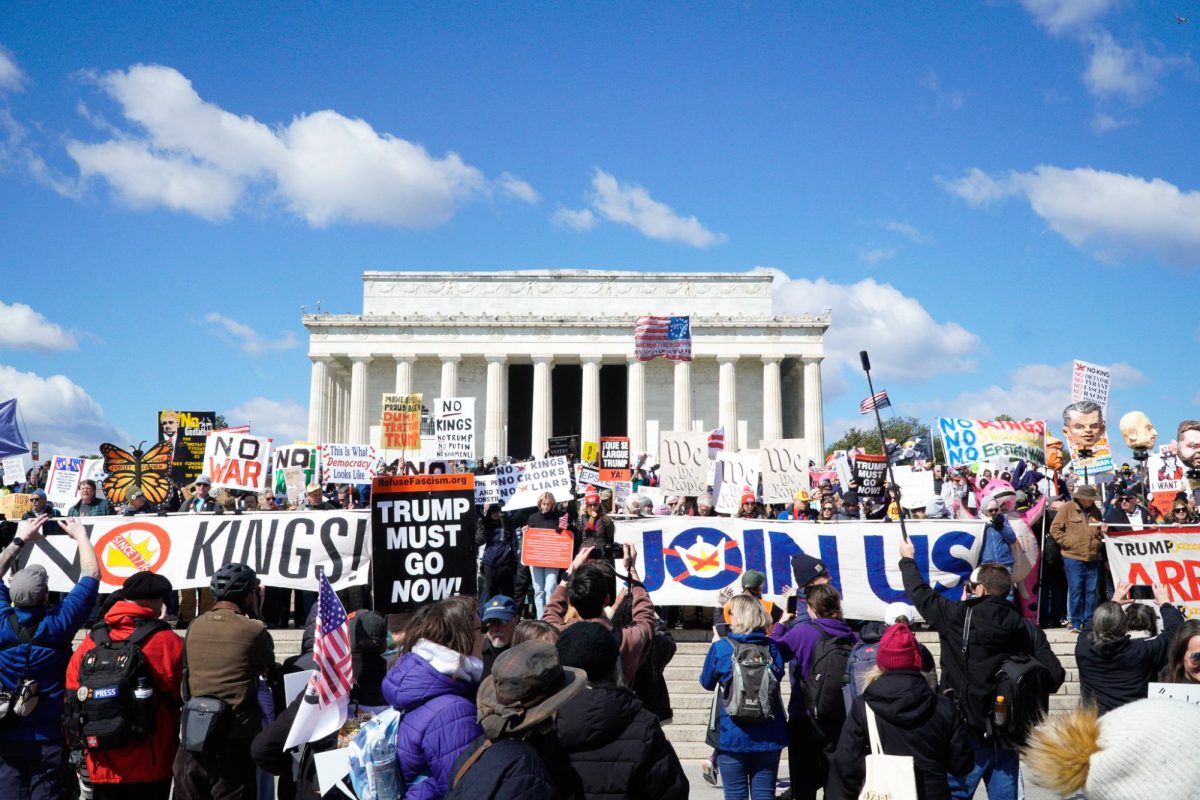
Whereas violence from the government is becoming increasingly more common, authoritarian, and fueled by rhetoric and political polarization, mainly perpetuated by the Trump administration.
Deploying the National Guard into Chicago and ICE raids throughout the country are but two examples of political violence from the current administration.
Jennifer Rich, chair and associate professor of sociology, said even the denial of identities can be considered political violence, as she defined it.
“So in the U.S. now, if we’re thinking about gender identity, and the way that the current administration has sort of insisted on a binary of gender assigned at birth as being the marker of your identity. I would argue that that is absolutely a form of violence,” said Rich. “I guess erasure and violence are, depending on the way you’re thinking about it, either the same or two very different things – I would argue that they’re the same.”
So while political violence is nothing new, we’re seeing new elements of hate speech and a sort of us-versus-them rhetoric coming from the leader of the free world and his “cult like following,” that Dr. Sandra Joy, professor of sociology, described as “gang warfare.”
Joy said a cause of recent political violence stems from far-right emboldenment by Trump’s “brazen, in your face rhetoric,” which Joy considers hate speech in itself – speaking directly about Trump’s “I hate my opponent and I don’t want the best for them,” comment following Charlie Kirk’s grieving widow, Erika, professing forgiveness toward his assassin.
Joy also pointed to events such as Jan. 6 and the mass pardoning of the insurrectionists in 2025 as ways political violence has risen in the U.S.
“I hate to say it, but people are only as morally righteous acting as they’re being held accountable for, sadly,” said Joy. “And if somebody in a position of power is not going to tolerate certain behavior, then they will think twice.”
Trump’s and his administration’s extensive history of hate mongering and inciting division amongst citizens includes, but is not limited to: Failure to condemn white nationalism after the 2017 Charlottesville “The Unite the Right” rally; Trump’s consistent attacks on freedom of the press; The Trump administration targeting pro-Palestinian international students for deportation.
These are but a few examples of how Trump and his administration have incited violence against the nation. Trump’s attacks on free speech and people he deems political enemies have laid the groundwork for authoritarianism and radicalization – Reminiscent of the McCarthy era.
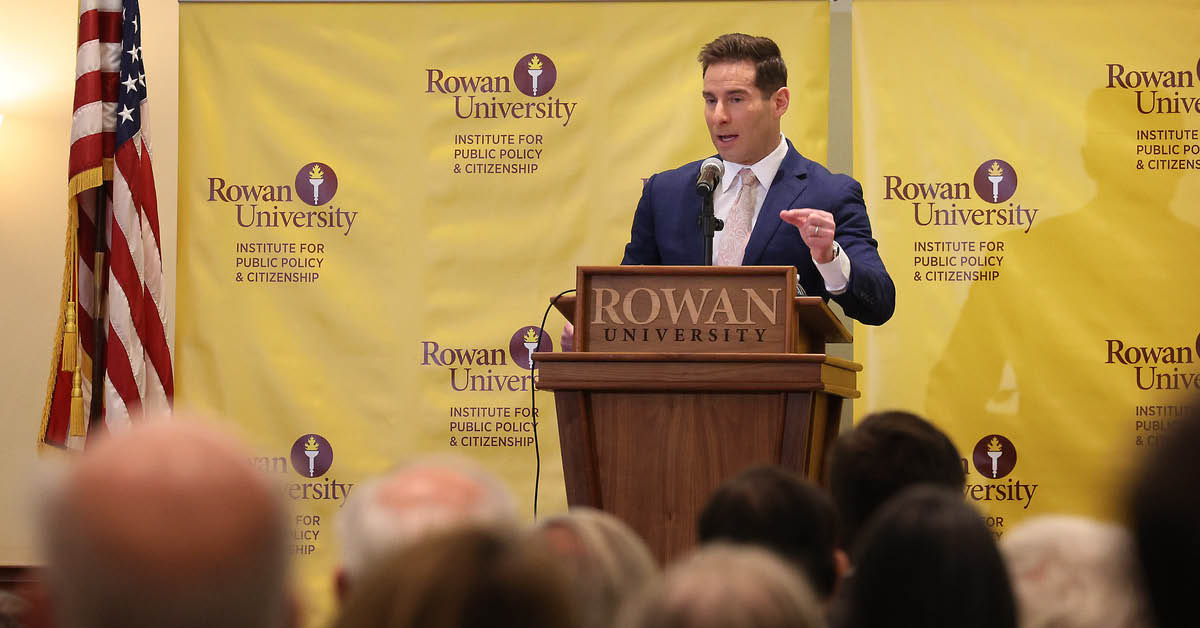
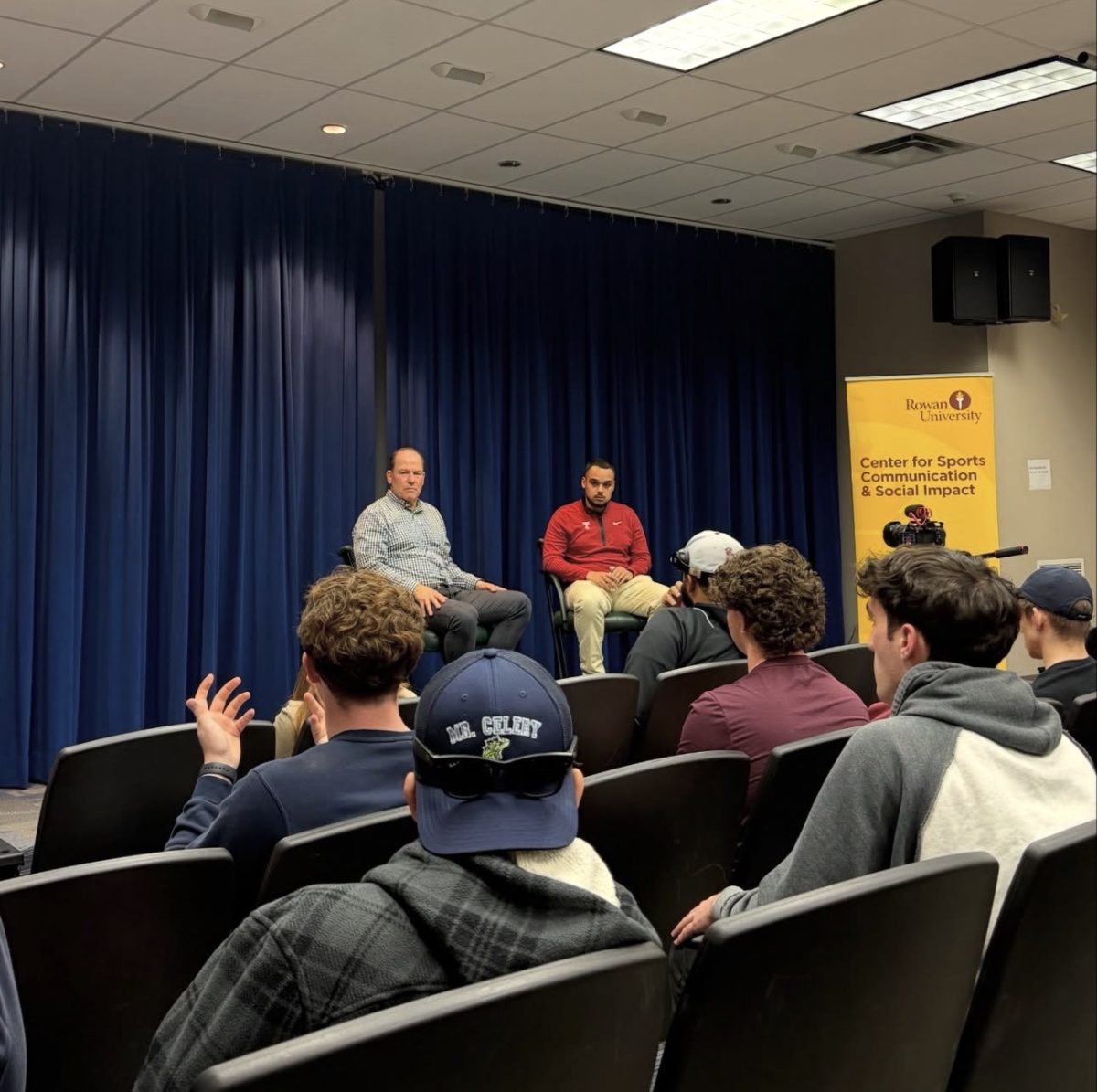
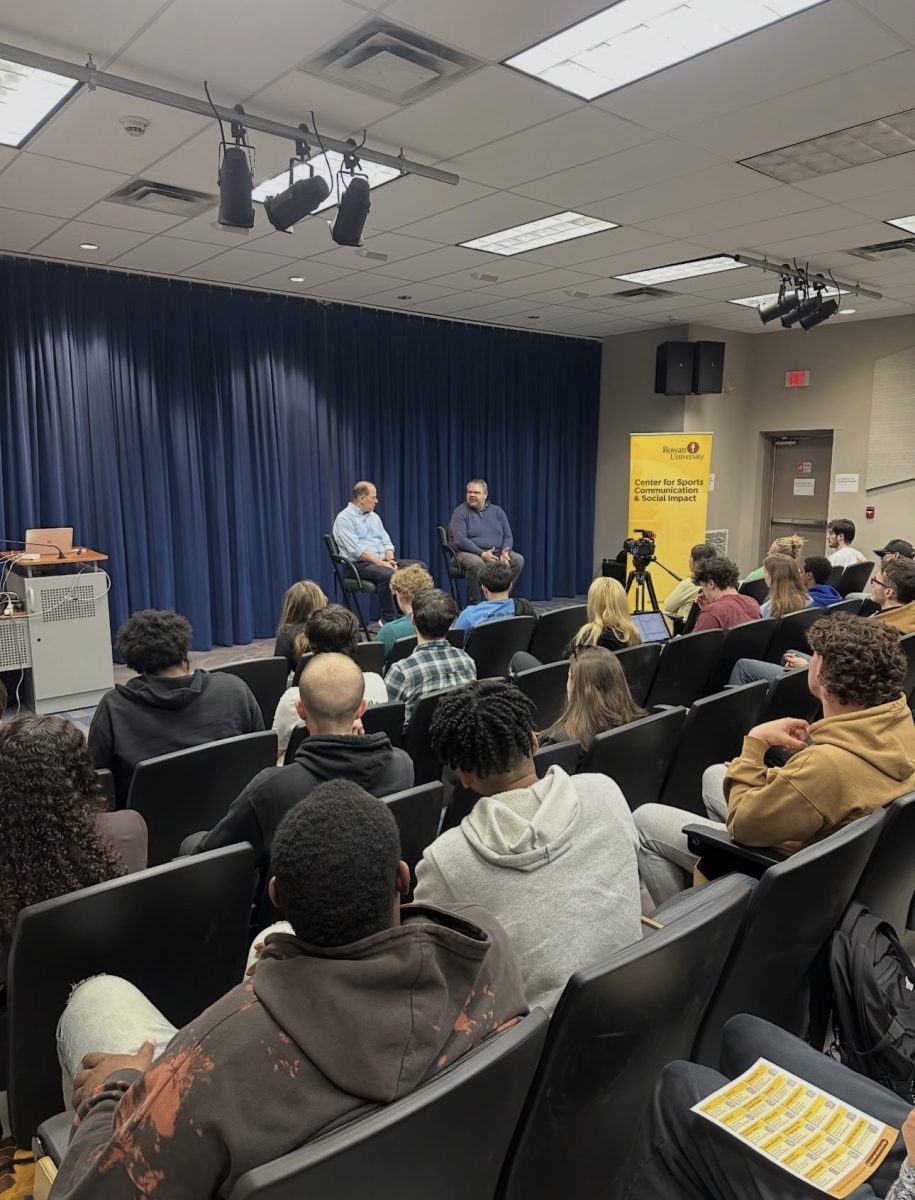
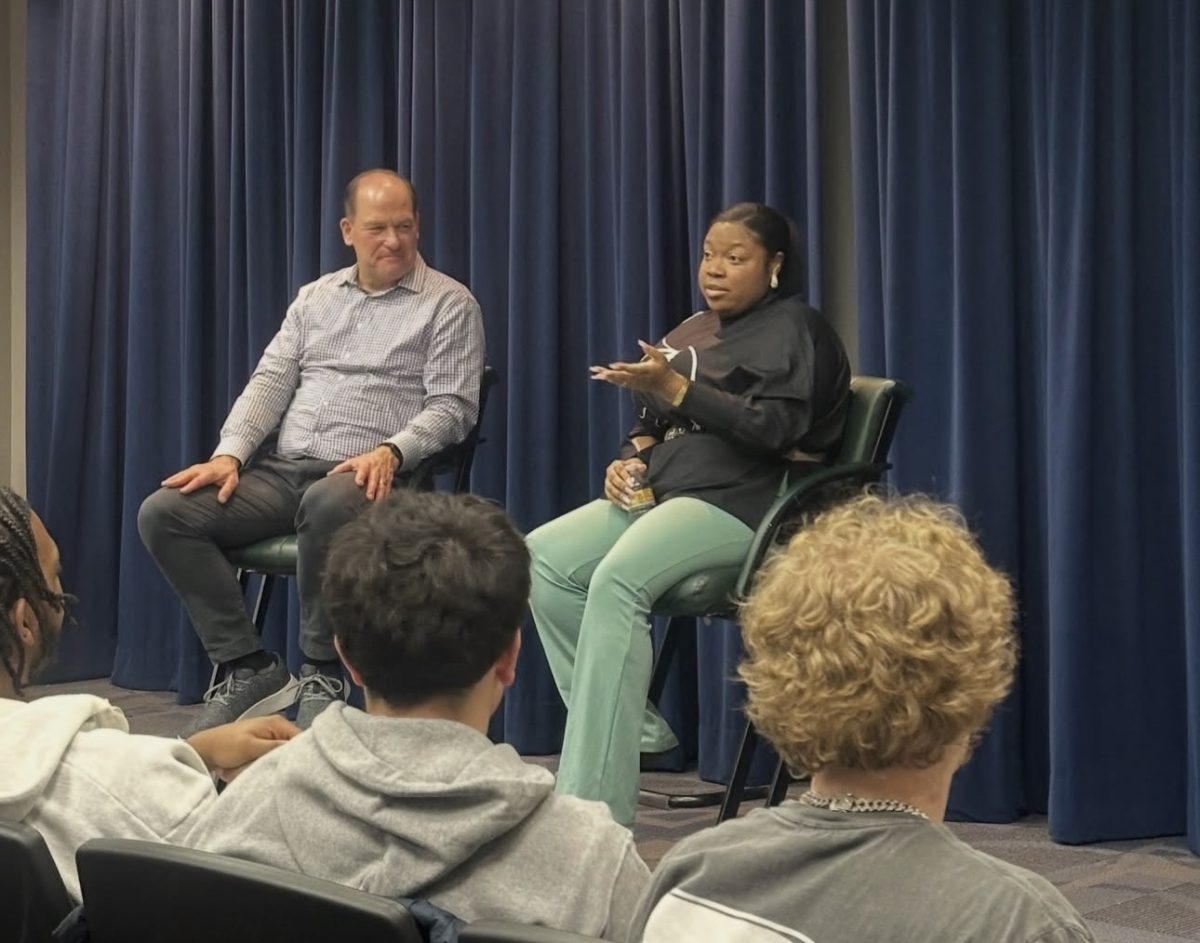
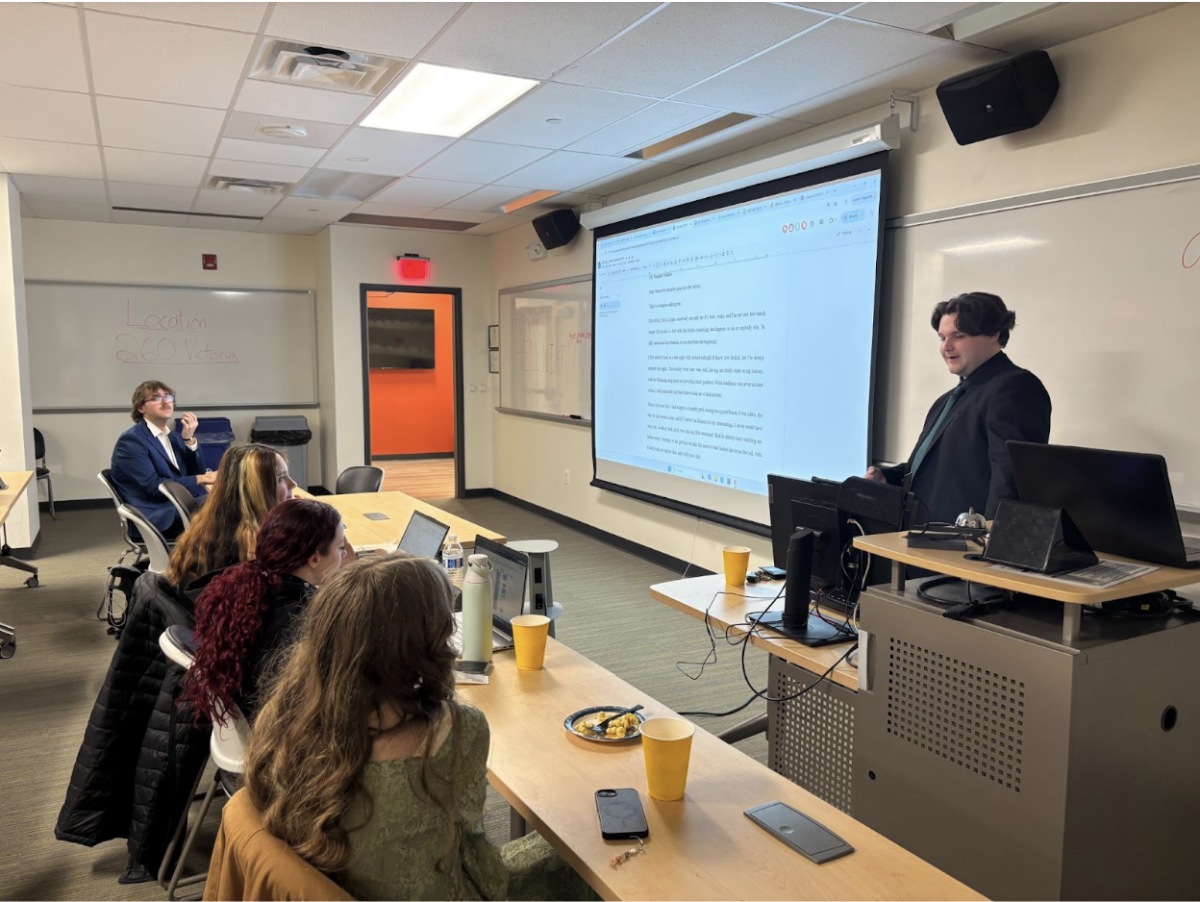
During the “Voices of Dissent” event at Rowan University, Raqib Hameed Naik, executive director of the Center for the Study of Organized Hate, was asked by an audience member about the parallel he sees between Hindu nationalism and what’s happening in America now.
Naik said that he’s seeing “similar key pillars between the white nationalists, the MAGA crowd, and Modi supporters in India.”
Religious supremacy, the targeting of the free press, reliance on law and order, and reliance on conspiracy theories were listed as Naik’s reasons for the comparison.
A survey published by Marist Poll on Oct. 1 said 30% of participants answered agree or strongly agree “that Americans may need to resort to violence to get the country back on course.”
This may explain this rise in political violence, especially in the case of Charlie Kirk, who held substantial social power amongst republican youth, even being credited as helping Trump win the 2024 election.
Juan Cruz Ferre, assistant professor of sociology, explained that the martyrization of Kirk stems from the fact that Kirk represented American values such as Christianity, capitalism, and the concept of a traditional family.
Dr. Sandra Joy, professor of sociology, feels that the right-wing narrative that Kirk was a “heroic figure” is a false interpretation. Joy said much of what Kirk said in life was what she considers hate speech.
“We’re obliged to set the record straight,” said Joy. “So wait a minute, we make this guy the Che Guevara bright and build statues and have memorials and holidays. No, no. Certainly, the right has done that with people.”
Chair of Sociology, Jennifer Rich, said people get the method confused with the message when it comes to Kirk.
“I think that we can all, I hope, agree that debate is important and a healthy democracy needs debate,” said Rich. “I also don’t know that that makes all views equally valid, but just because I don’t agree with them doesn’t mean they shouldn’t be expressed.”
Rich said this could be the key to reducing political violence: a return to civil, open discussion.
For comments/questions about this story, DM us on Instagram @thewhitatrowan or email [email protected]