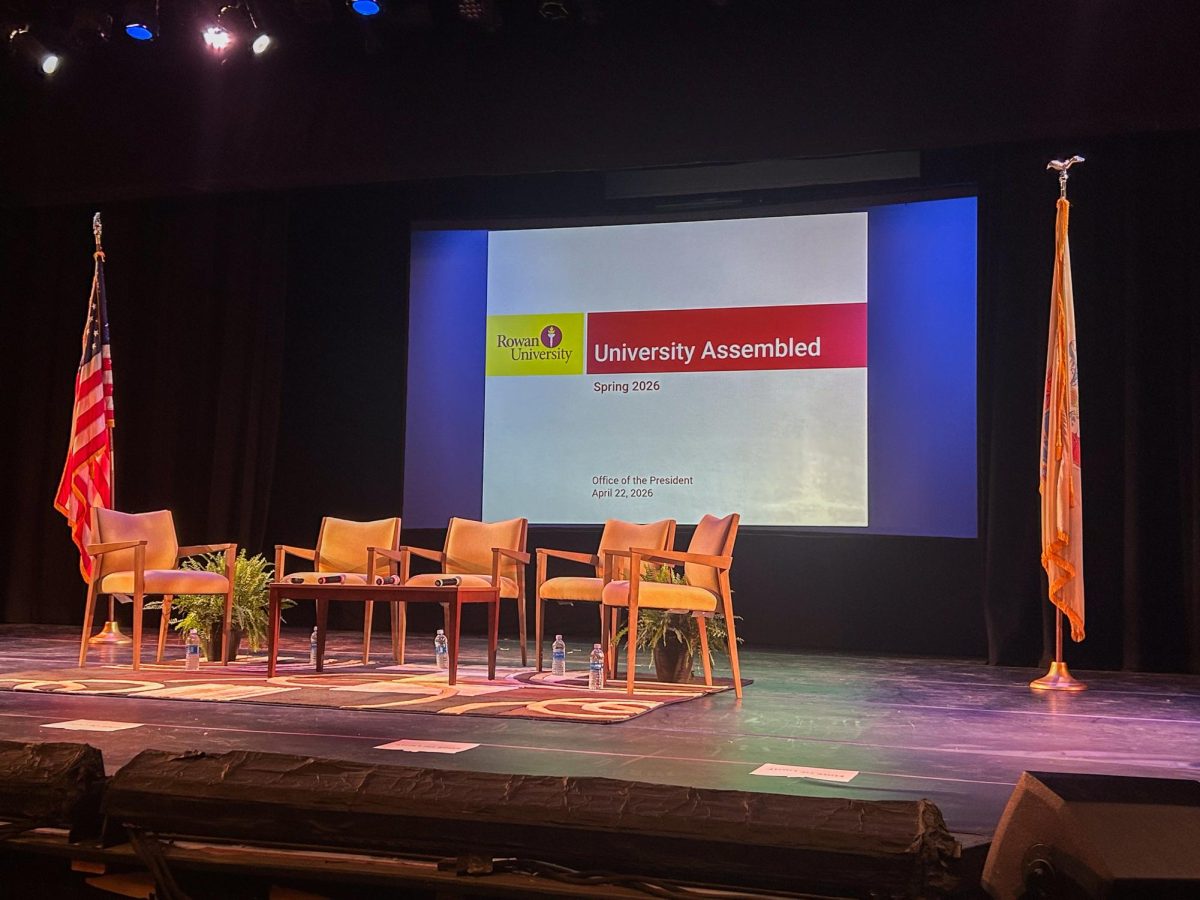
























































































































University Senate covered a variety of topics at its most recent meeting, ranging from concerns over safety to an ongoing proposal to create a new course requirement for students.
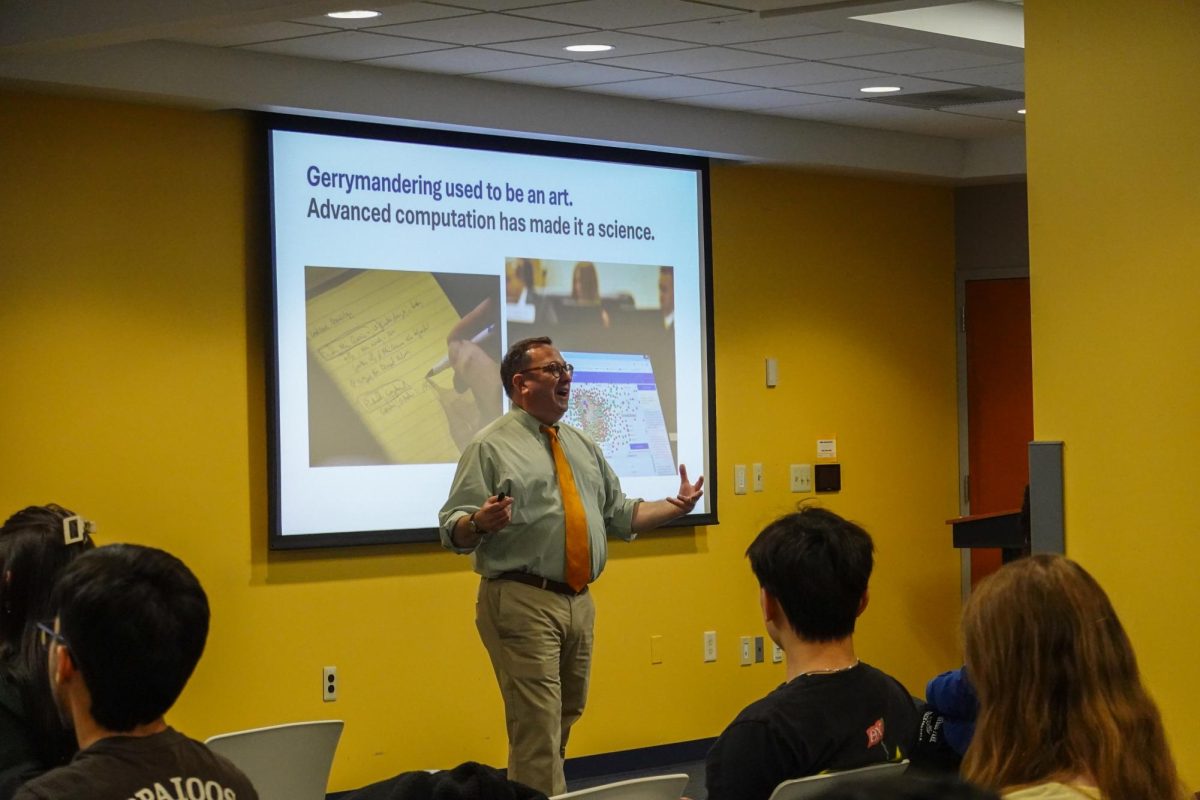
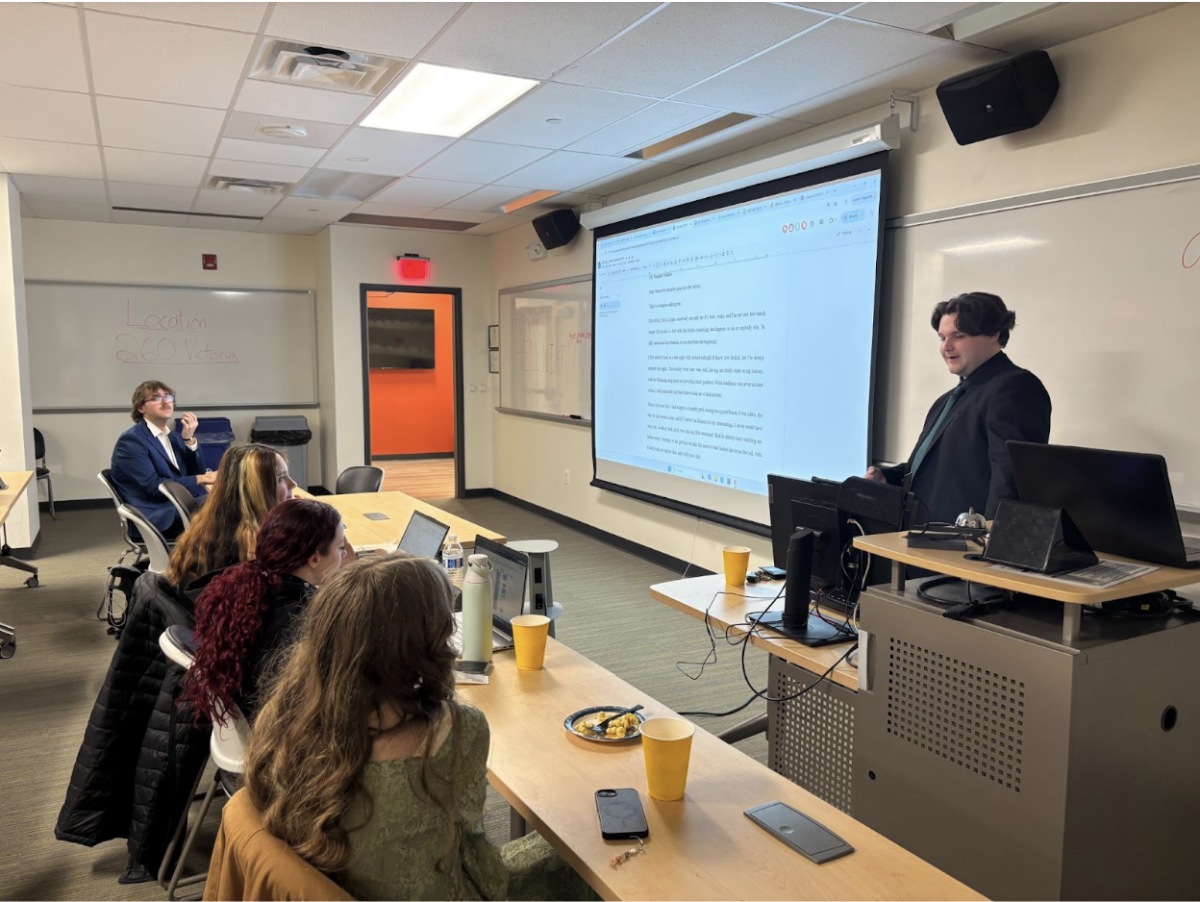
On Friday, Nov. 21, the resolution on a new course requirement was crafted in response to the Black Student Union, which made a demand for a required course on the Black Diaspora in a presentation by Rachel Shapiro, an assistant professor within Rowan’s Writing Arts department.
The Cultural Engagement and Collaboration Across Differences Designation (CEC) would be a new designation added to existing, approved courses. Students would be required to take one course with this designation in order to graduate. By adding the designation to existing courses, the designation would be credit-neutral.
“Largely, it would be within global literacies or the humanistic literacies categories. It would potentially require some tailoring of courses that already exist in those spaces, but lots of room for folks in departments across the university to have their courses that might work with this included,” said Shapiro.
Senator Helga Huntley raised concerns about the creation of this designation.
“Why now? Doesn’t this seem like terrible timing? Aren’t we putting Rowan into a bad position by pursuing this kind of, really, I want to say drastic, but this kind of very clear DEI (Diversity, Equity, and Inclusion) initiative?” said Huntley.
Senator Marquita Smith responded to Huntley’s concerns by pointing out that this proposal has been in the works for several years and originated from student demand.
“Students were part of the task force; several have graduated, as Christine points out, but we still have student engagement, and as faculty and staff, it’s on us to come up with the curricular response,” said Smith.
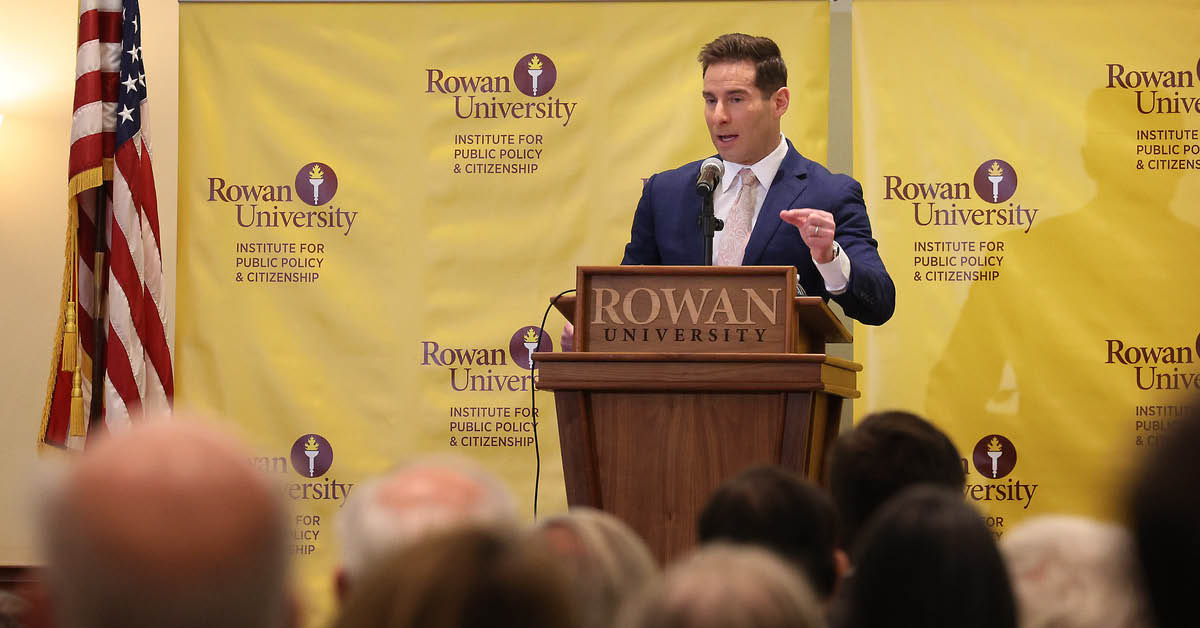
Bill Freind, the University Senate president, also weighed in on the matter.
“I would also say that saying we should hold off on this because it’s the wrong time constitutes complying in advance, which is, in Timothy Snyder’s ‘On Tyranny,’ the first thing he says you should not do,” said Freind.
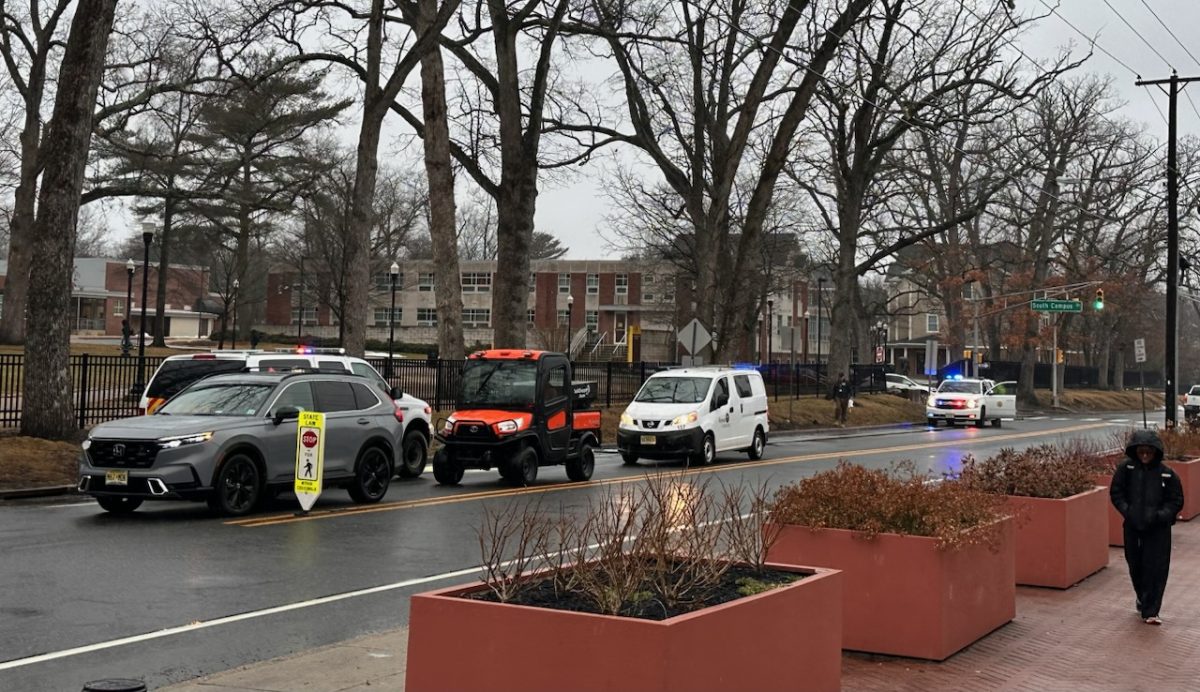
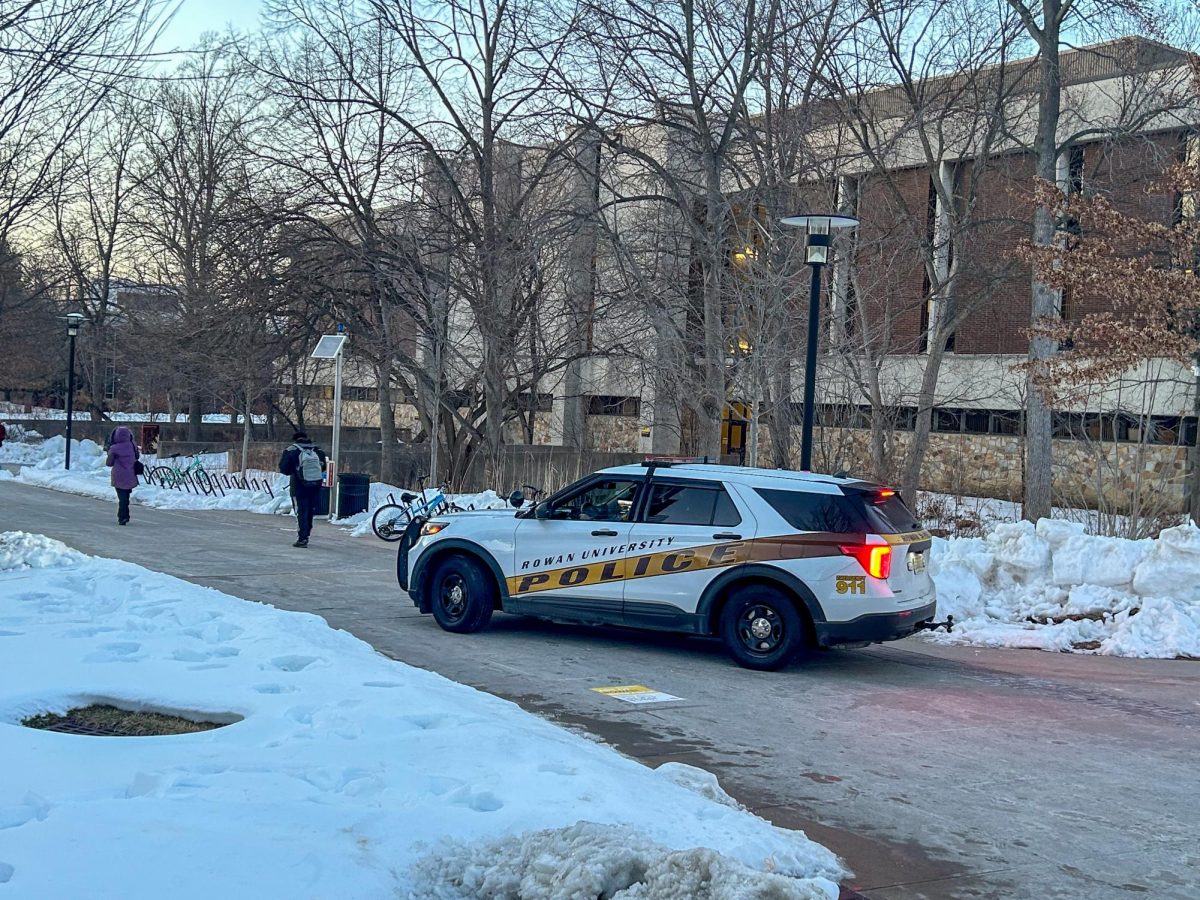
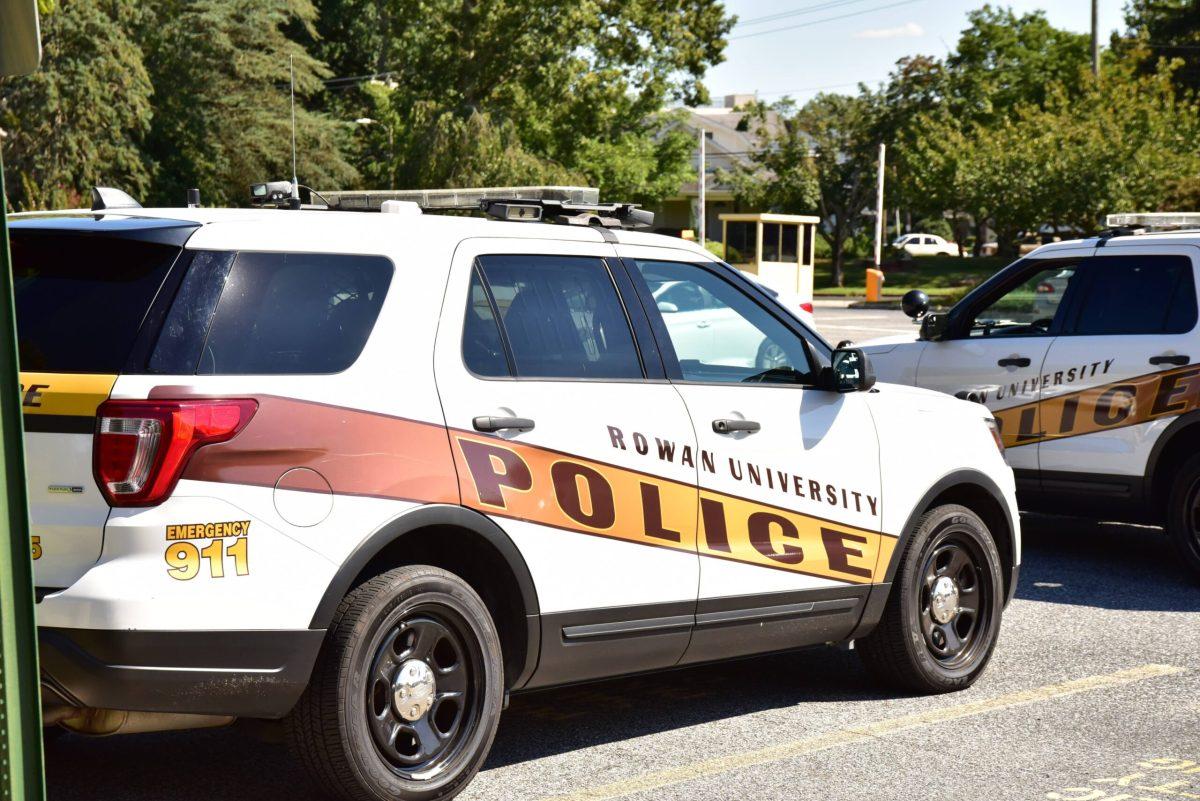
The University Senate continued to deliberate on campus issues when they discussed ongoing safety concerns. First, they discussed options to improve campus security without increasing student unease, citing police presence as potentially unnerving.
While Freind acknowledges that the former student connected with the terrorist plot was, per the FBI, not a threat to campus, he mentioned that there are many other dangers present on campus, such as weapons-related violence or a lack of security for campus buildings.
The Senate brainstormed some potential solutions to these ongoing concerns.
“It doesn’t have to be additional police officers. It can either be additional security guards, or unarmed staff,” said Senator Greg Caputo.
Fellow senator Christine Larsen-Britt brought up potentially creating a new position for Head of Student Life in response to Dean of Students and Head of Student Life Kevin Koett currently acting as a de facto bouncer outside of HollyPointe Commons.
Being an academic institution, the health of other institutions is of the utmost concern to the University Senate. Thus, they took the temperature of various universities and colleges in the region.
“The general consensus is that Rider is not sustainable. They are on probation from Middle States [Commission on Higher Education], and if Middle States revoke their accreditation, it becomes almost impossible for students to get federal financial aid,” said Freind. “TCNJ is in trouble, in part because of a lack of leadership there.”
Despite these issues, Rowan University is not presently considering a merger with either Rider University or The College of New Jersey (TCNJ). Instead, there is speculation that Rowan will merge with Thomas Edison State University (TESU), but this has neither been confirmed nor denied.
Next, the Senate heard a brief summary of the research committee’s work from the year prior, presented by Vahid Rahmani. The research committee undertook the task of identifying issues that prevented research at Rowan and then advocating for their resolution. They pursued this first through a survey disseminated to all active Rowan researchers.
“The survey, which had gone through several rounds of revision, had questions that basically touched on every division’s work that we had identified as being relevant to people’s research. And when we analyzed the data, we transitioned from worrying [about] not [having] enough data to being worried that, oh, this is too much,” said Rahmani.
From their data, the committee created a final report which they personalized and distributed to the provost’s office, the VP of research, the senior VP of IRT, the senior director of contracting and procurements, and the director of accounts payable. The report specified issues facing researchers as well as solutions, both major and minor.
The committee has endeavored to follow up with relevant parties and is currently exploring a gap analysis to see if suggested changes were effective, and to create a new survey that addresses facilities-related challenges.
For comments/questions about this story, DM us on Instagram @thewhitatrowan or email [email protected]