



























































































































Generation Z has had the opportunity to grow up and evolve with social media. From seeing the start of these apps in their humble beginnings, Gen Z has watched them have a worldwide impact on every aspect of society. All while growing in more power than ever thought before. For many young adults grappling with the world around them, it has become too much.
To attempt to combat this issue, many have been disconnecting themselves from social media, whether that is a small break for a breath of fresh air from the mind-numbing nature of it nowadays, or to completely cut it out and find that dopamine rush from other sources.
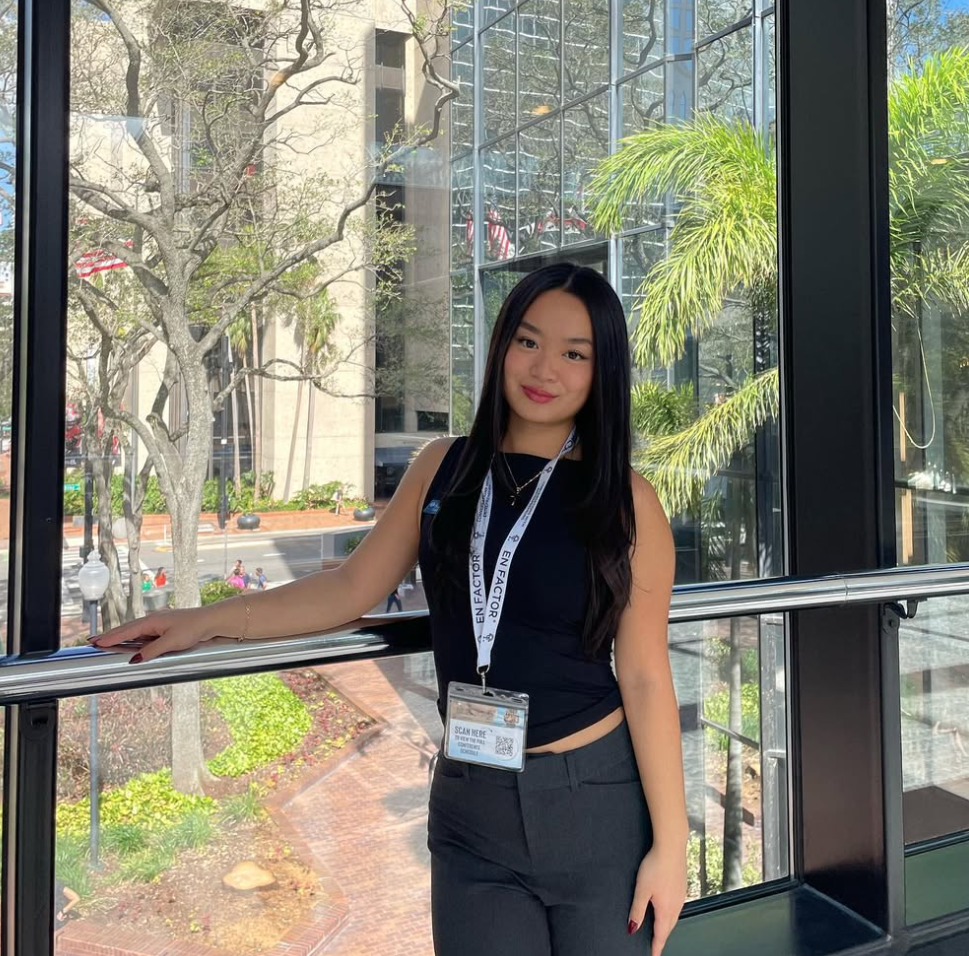
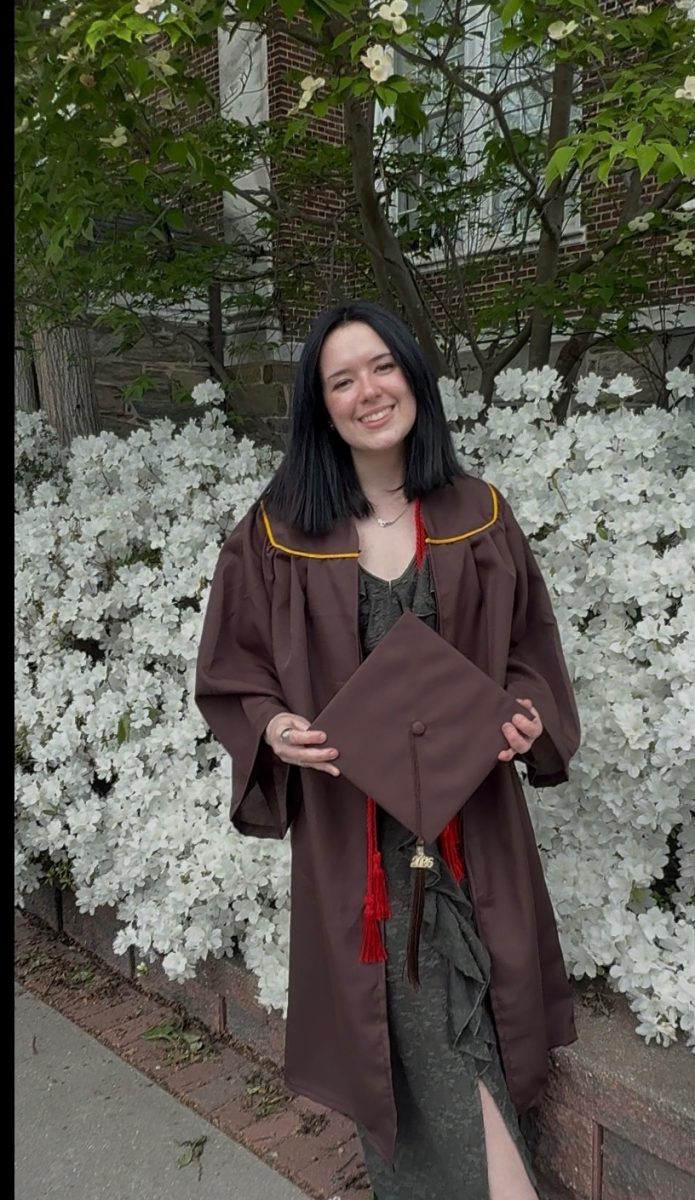
Alexa Villarreal, a 19-year-old freshman majoring in chemistry, is part of the first group. Just this past summer, they were able to be completely off of them. Instagram being their drug of choice, they aspired to live more in the moment.
“I think it’s probably a bit more positive overall. It’s just like, you get to live. You don’t have to focus on taking pictures for social media. You don’t have to judge yourself with any other people,” said Villarreal.
With social media and the attraction to things like likes, comments, and shares, it has turned what was supposed to be a friendly way to connect into a competition with other people. They feel as if they have to put together the perfect life.
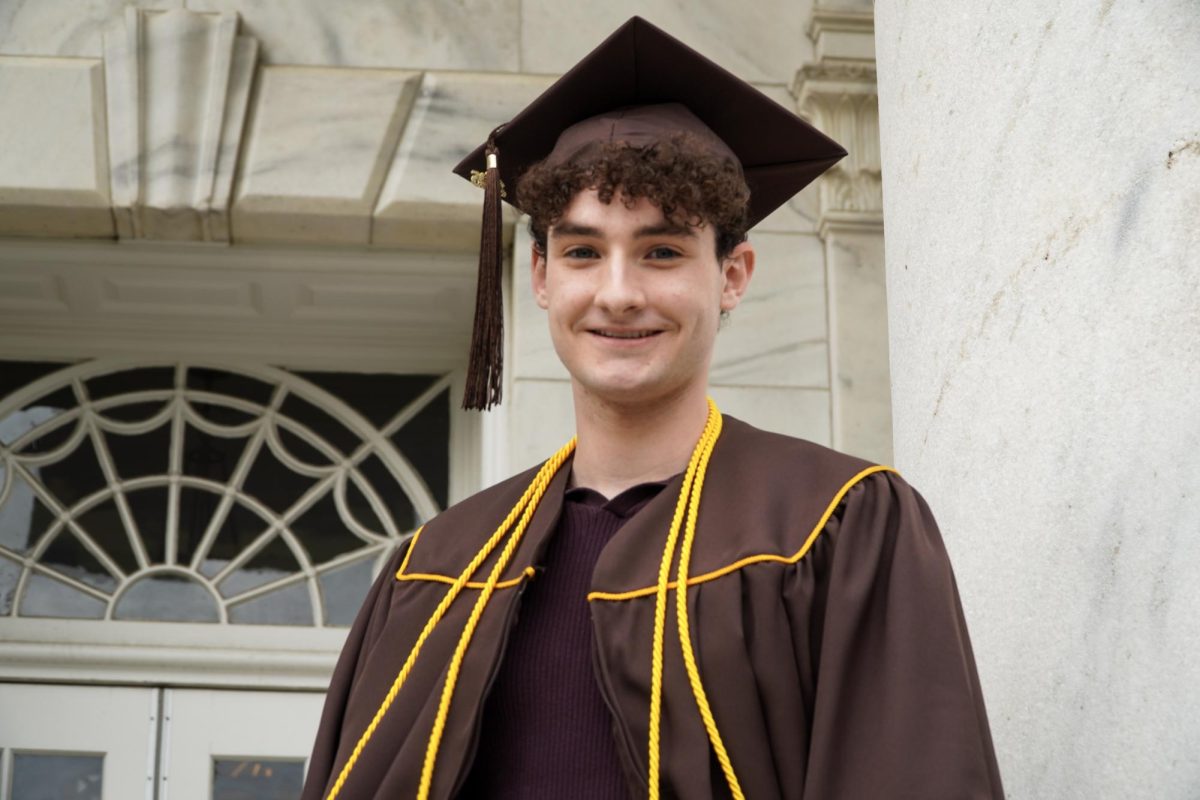
25-year-old Daniel Blischok, a senior majoring in economics and history, got off it for this exact reason. Blischok hasn’t touched social media in nearly three years, as he felt he was missing out on life.
In a media class, his perspective was changed when he learned about the term prosumer. This is when the user is not only there as a producer of content, but also a consumer of the content, making companies lots of money, but leaving the user in a vicious circle.
“It’s just trying to get the same dopamine loops to get you to come back, and people do every single time. There’s not a lot you can really do about if you’re on them; they’re always going to win out,” said Blischok.
The addictive nature of the apps is so embedded that most users don’t even recognize it anymore. The signs can be felt by the increase in anxiety, lack of human connections, and the loneliness it creates.
Alexandra Osborn-Jones, a 20-year-old sophomore attending Rutgers, has struggled with this. Always being wary of the dangers of overconsumption on social media since starting in 2021, they noticed the longer they used it, the sadder and more overanalytical they would become. Ultimately, deciding to start taking breaks from apps like Snapchat, Instagram, and TikTok.
While taking breaks for things like music and reading. Feeling like it gives more clarity, relaxation to the mind, and confidence. They find it hard to stay off it completely.
“It is very hard to completely stay off it because when I meet new people, they always ask for my Insta, then I have to redownload it to talk to them,” said Osborn-Jones.
This is one of the things that makes this transition so hard. How do you get off of something that is used by everyone? Over 90% of Gen Z is on social media, according to Simplebeen.com. It’s become a way to communicate with people and further socialize. With the way trends fluctuate from week to week, it can feel hard to disconnect to not miss out.
Aiden Estelle, a 20-year-old sophomore, feels this when taking breaks. Noting that they feel distant from friendships anytime they get off social media. Using it more now as a tool to stay up to date with friends since starting back the school year. Estelle, though, still feels the toxicity that looms over social media.
“I think there’s been a rise in toxic media in general, and it’s inevitable to come across it online,” said Estelle.
A shift is being felt, though, among young adults as they learn the issues with social media consumption and use. The people yearn for more human connection. A clearer mind on a day-to-day basis. The hope of breaking the dopamine cycle that is social media.
“I think that it will release a lot of anxiety and comparison that we all have because of social media, and I think it will make people more in the moment and conversational,” said Osborn-Jones.
For comments/questions about this story, DM us on Instagram @thewhitatrowan or email [email protected]