


































































































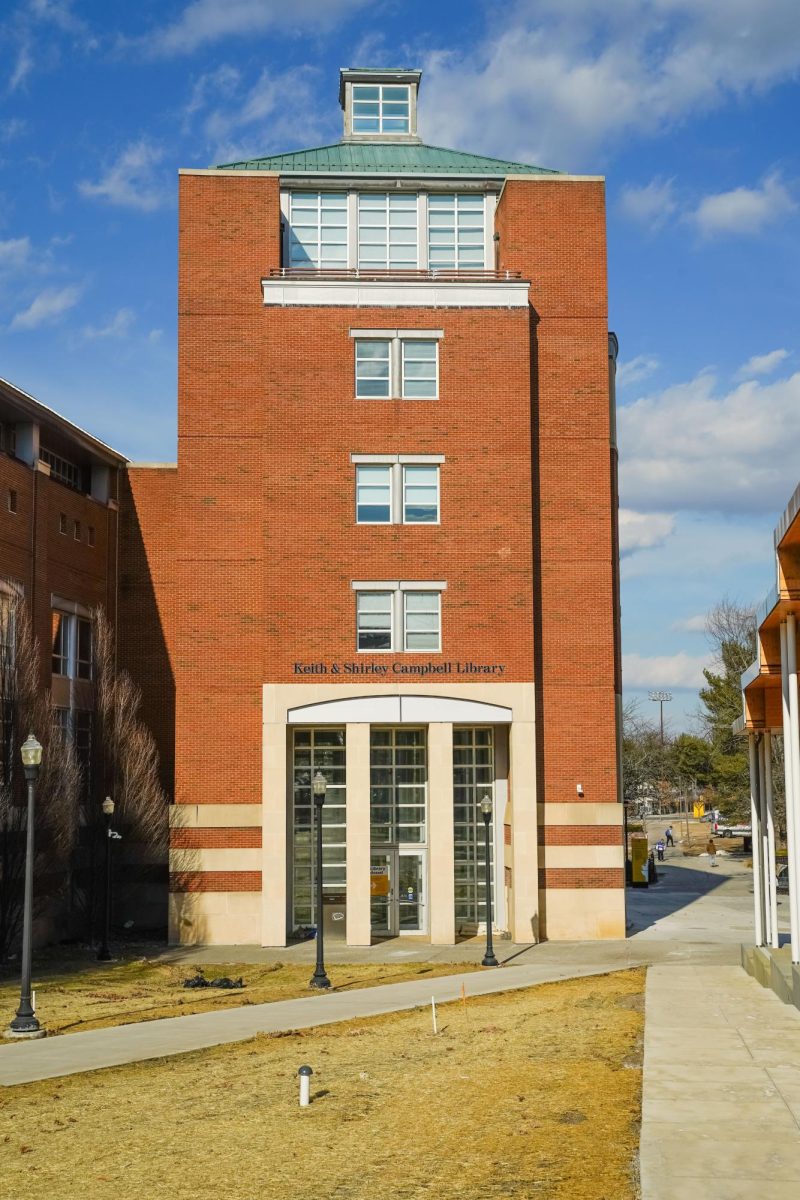
Rowan University offers strong programs across business, engineering, health sciences, and the arts, along with hands-on learning opportunities designed to prepare students for life beyond the classroom. Over the past several years, Rowan has focused heavily on physical expansion, including projects such as the Student Center expansion, the Edelman Fossil Park Museum, and the development of its veterinary medicine program. However, amid this visible transformation, one academic cornerstone has been left behind, that being a fully accessible campus library.
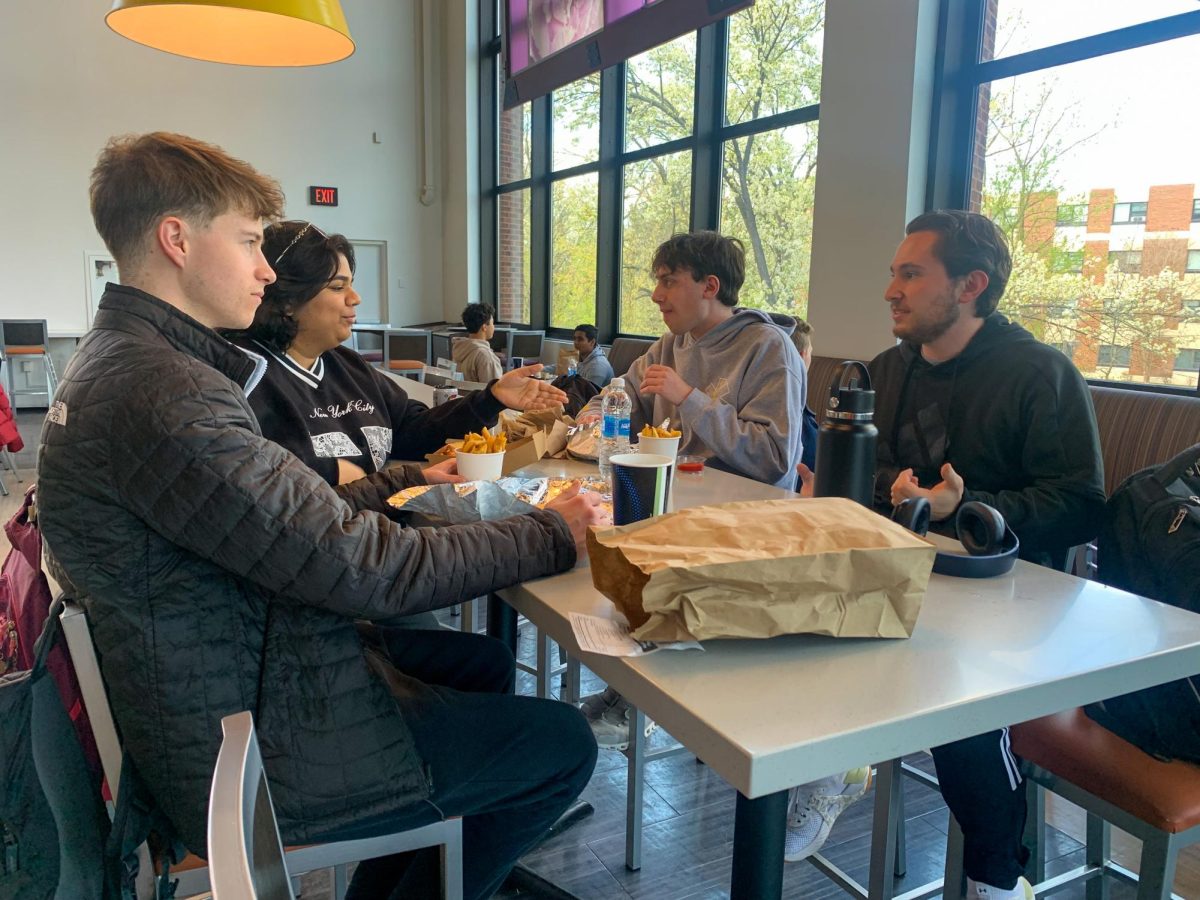
Walking across Rowan’s campus, it is clear that Rowan University understands and values student collaboration and work. There are study lounges, tables in academic buildings, and quiet corners in almost every hall. But none of these spaces function like a dedicated library space, an essential hub for research, studying, and academic support. We have rooms with tables and comfy chairs, but not a library with bookshelves, professional librarians, and an atmosphere that encourages deep study. A library is not just a room with books; it is a learning ecosystem where students are able to use physical resources and immerse themselves in their academia without distraction.
Students rely heavily on Google and online sources these days. While digital access is still available and definitely valuable, it is not always accessible in the sense that every student knows how to utilize Campbell Library’s database. An online database cannot fully replace curated academic collections and in-person librarian support. A library with physical and digital resources means better research, more diverse citations, and exposure to knowledge that isn’t straight from a search engine.
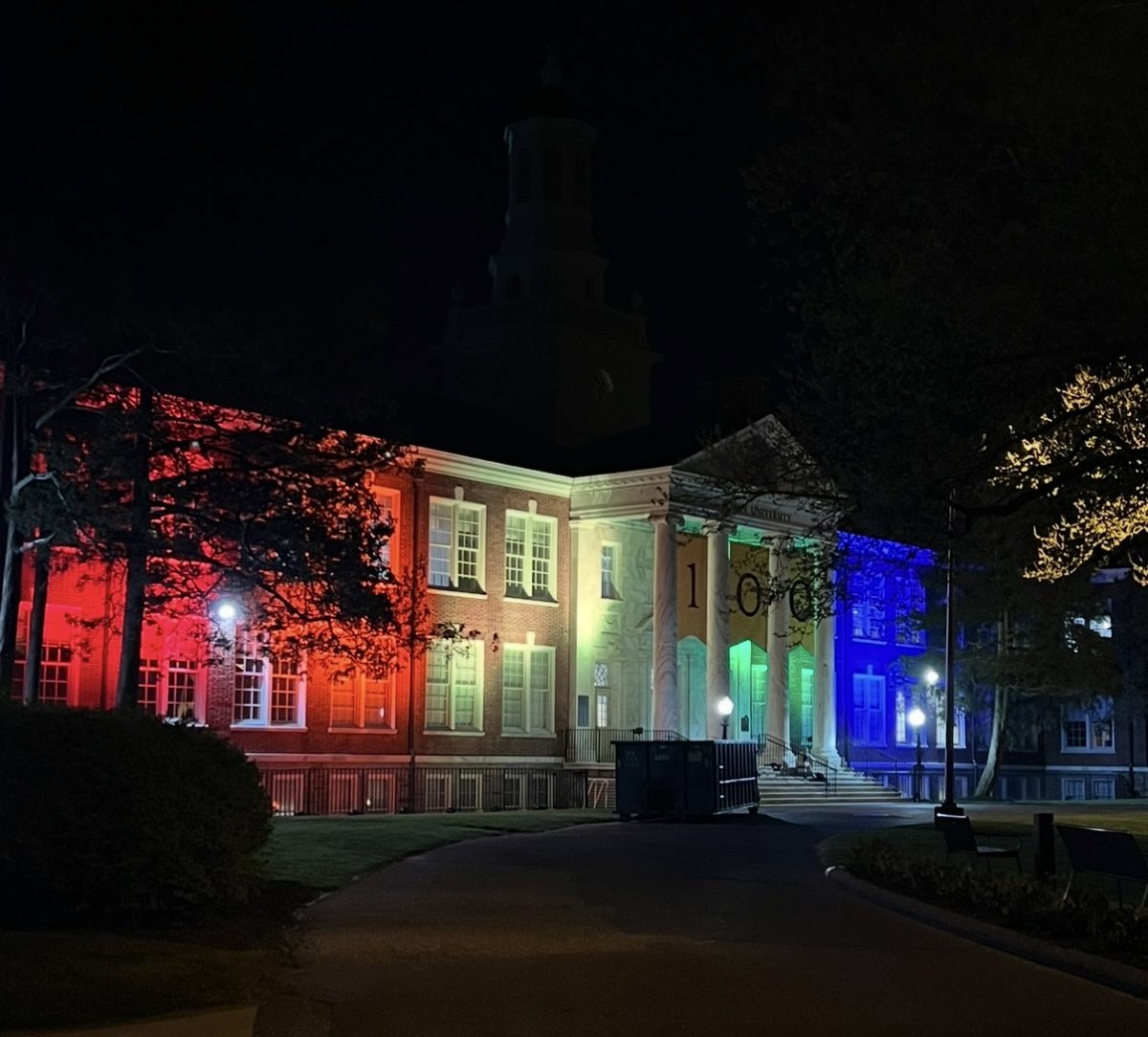
Universities with strong libraries often boast better national reputations, as libraries serve as visible symbols of academic rigor and institutional commitment. Rowan University has truly risen impressively over the years, investing heavily in cutting-edge technology, innovative learning tools, and modern facilities that emphasize hands-on and experiential education. One of the most notable examples of this is the construction of the Dreamscape Learn Center, a virtual reality learning space built on top of Campbell Library.
While this addition highlights Rowan’s commitment to a cutting-edge education, it also shows a growing imbalance in the right priorities. The university has successfully opened an advanced technological center, yet the actual library beneath it remains inaccessible to students. Innovation should enhance, not replace, a foundational academic resource. Until the physical library is fully reopened and functional, Rowan remains incomplete.
As a student who entered Rowan in Aug. 2024, I expected to have access to a central campus library throughout my college experience. Instead, from my entire freshman year to the end of my sophomore year, the Campbell Library has been unavailable. At the current pace of renovation, it appears entirely possible that through what will be my anticipated graduation in Spring 2027, my time at Rowan will conclude without ever experiencing a fully functioning campus library. This has not only been inconvenient but genuinely disappointing as well. A library was something that I, and I am sure many other students, looked forward to using as a part of their college experience.
Rowan University has shown that it is capable of immense growth, wonderful innovation, and investment in the future. But it must ensure that this progress includes a fully accessible library so that academic ambition is supported by the resources students, like me, were promised when they chose to come here.
For comments/questions about this story, DM us on Instagram @thewhitatrowan or email [email protected]