

































The internet is stuck in a time loop, and in 2026, millions have somehow convinced themselves they’re back in 2016.
How is that possible when time machines don’t exist? It’s simple, really, just open up any social media platform like TikTok and Instagram, and you’ll be flooded with a sense of nostalgia through cringeworthy selfies with a Snapchat dog filter or low-quality videos of people hitting “The Whip.”
It’s hard to believe, but 2026 officially marks a decade since 2016, and while some were anticipating the arrival of a new year, others were reminiscing on an era that feels not so distant. An era where we curated our photos to match the bohemian filters used by the California coast aesthetic of our favorite YouTube personalities like Eva Gutowski, Rosanna Pansino, or Lily Singh. One where we laughed along with Chewbacca Mom over the joy a toy mask brought her, and raced outside in groups to catch them all on “Pokémon Go.”
The excitement all began with the simple phrase: “2026 is the new 2016.” Initially starting as a joke, the phrase turned out to be a full-blown cultural mood and one that puts an emphasis on the present more than it does on the past. In a digital landscape that’s become heavily dominated by aggressive algorithms with optimized posts or ads and AI-generated content, many users are searching for something that feels more authentic and genuine.
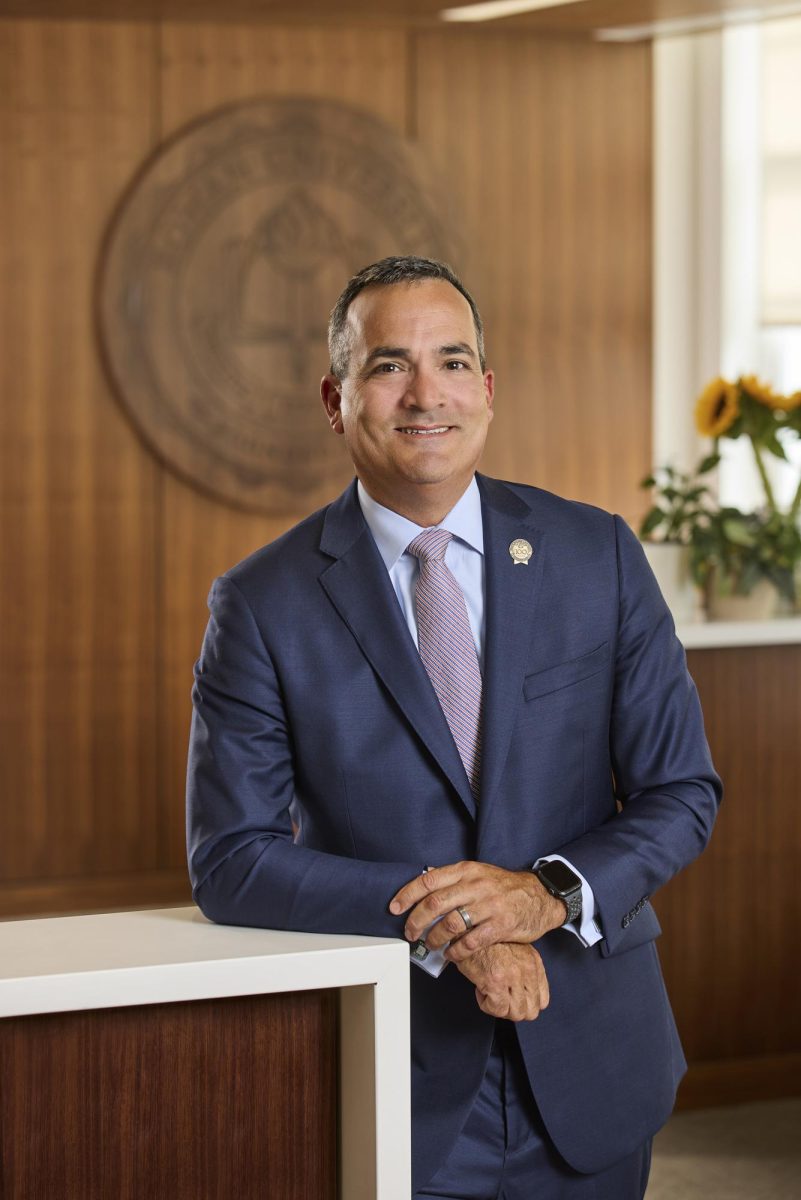
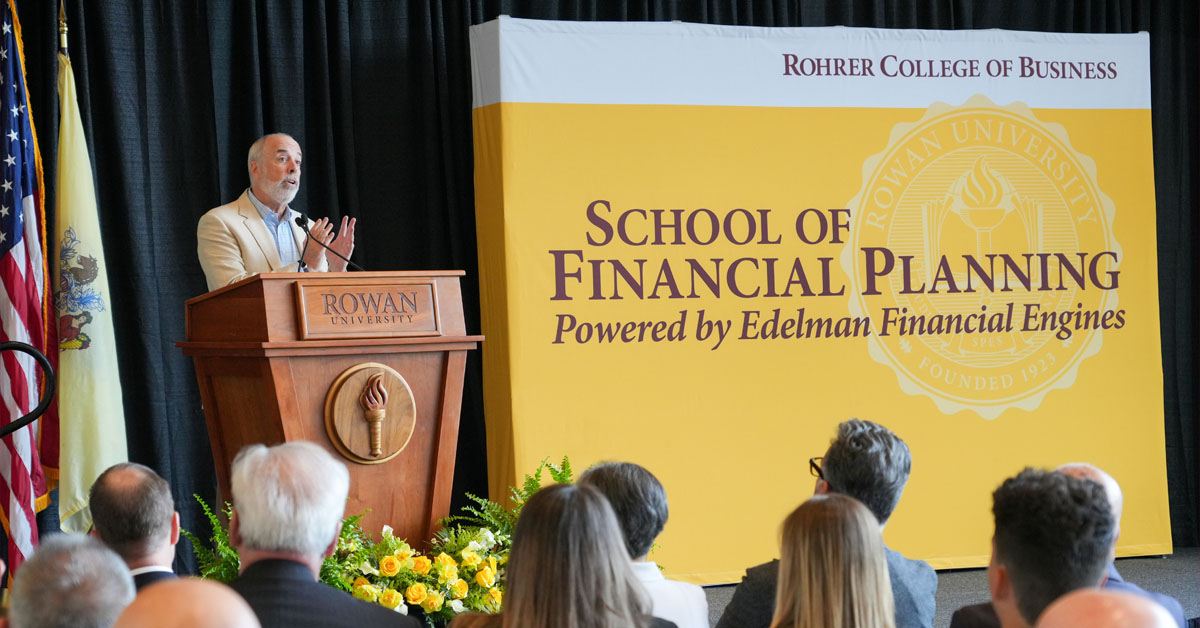
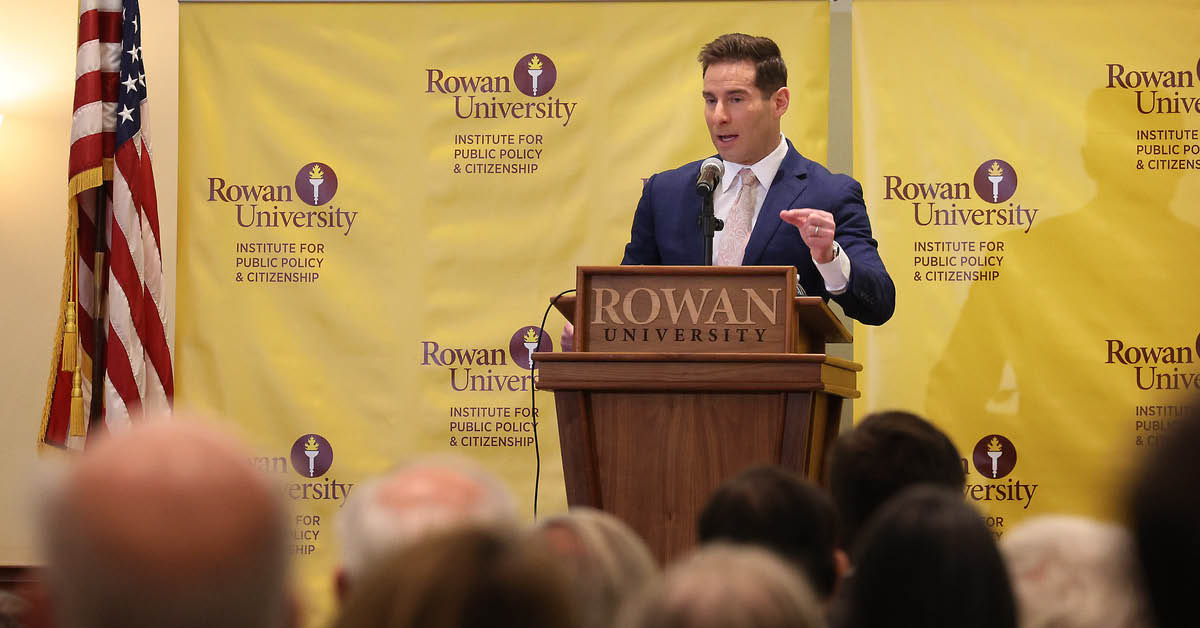
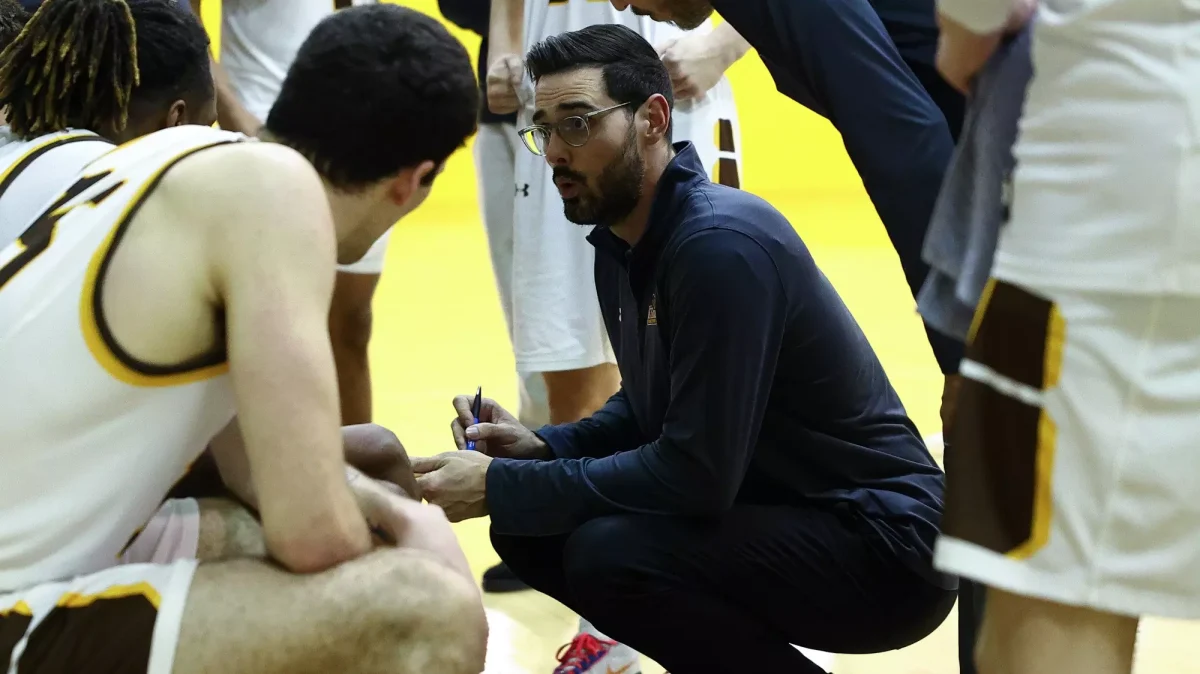
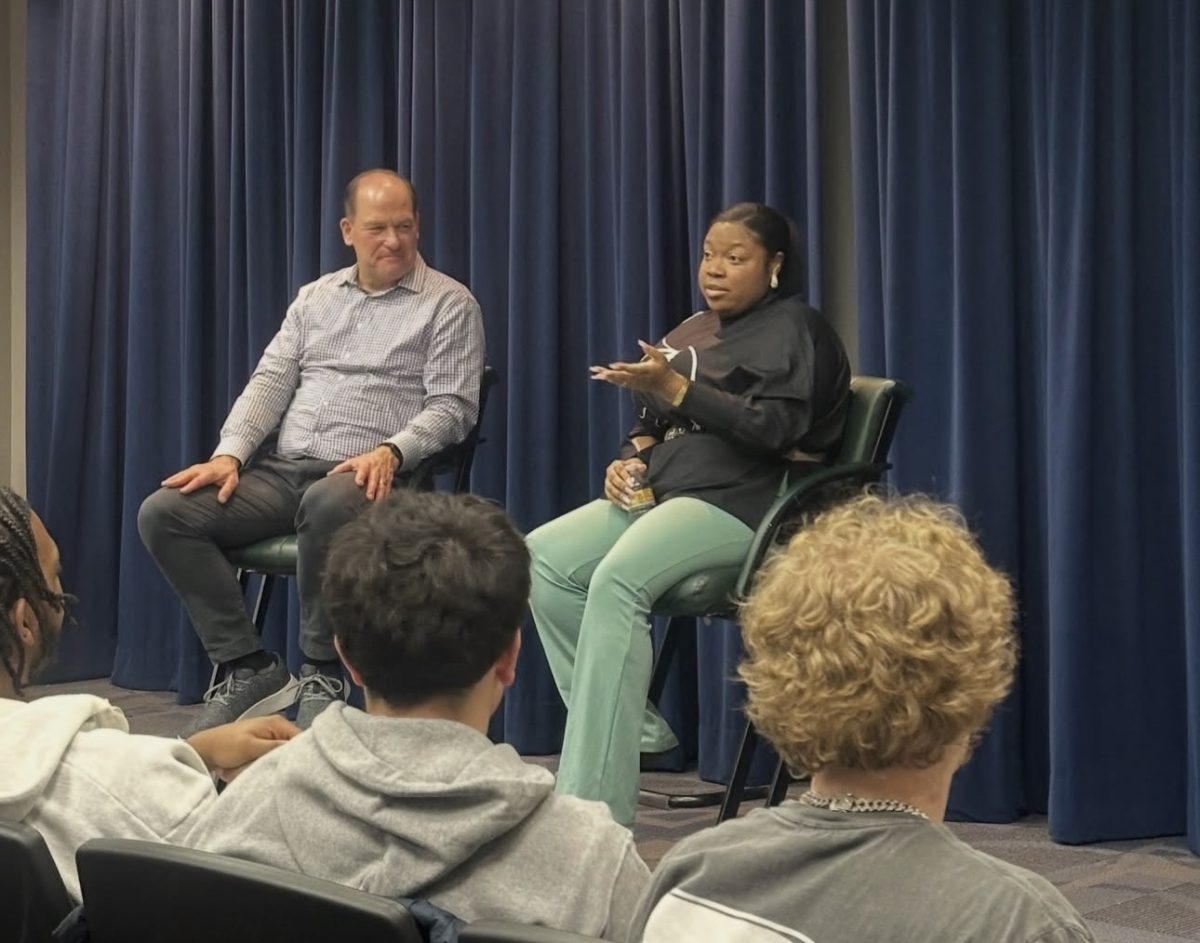
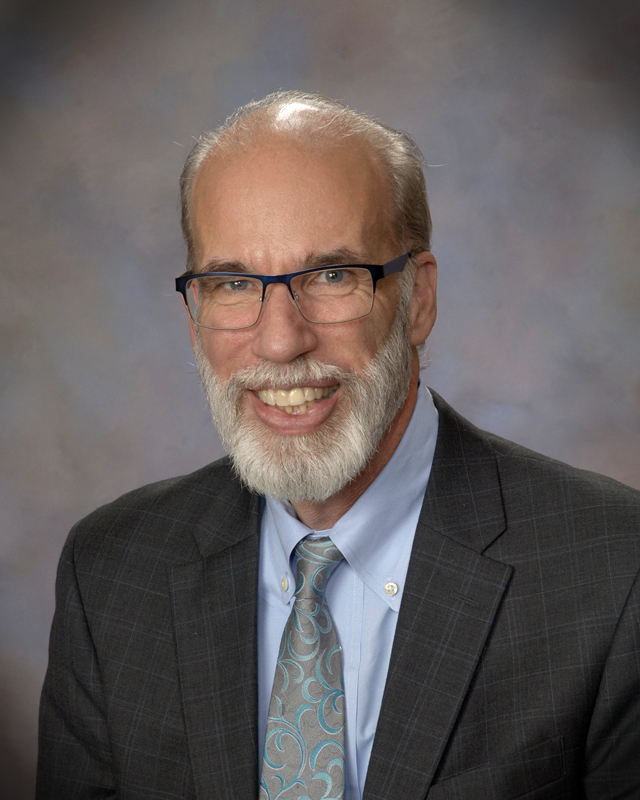
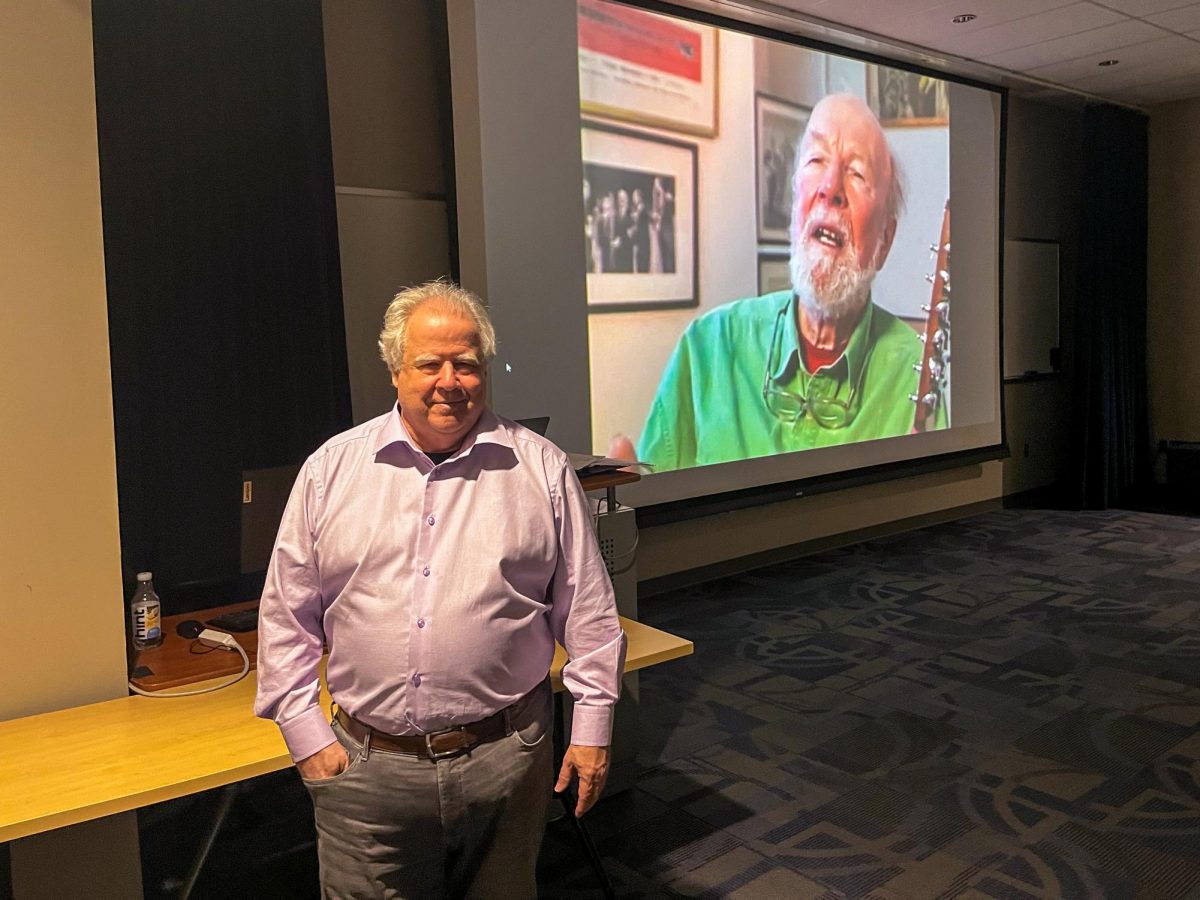
“There was a real authenticity then that feels harder to find now,” said Dr. Janna MacPherson, a communication studies professor and Rowan University alum.
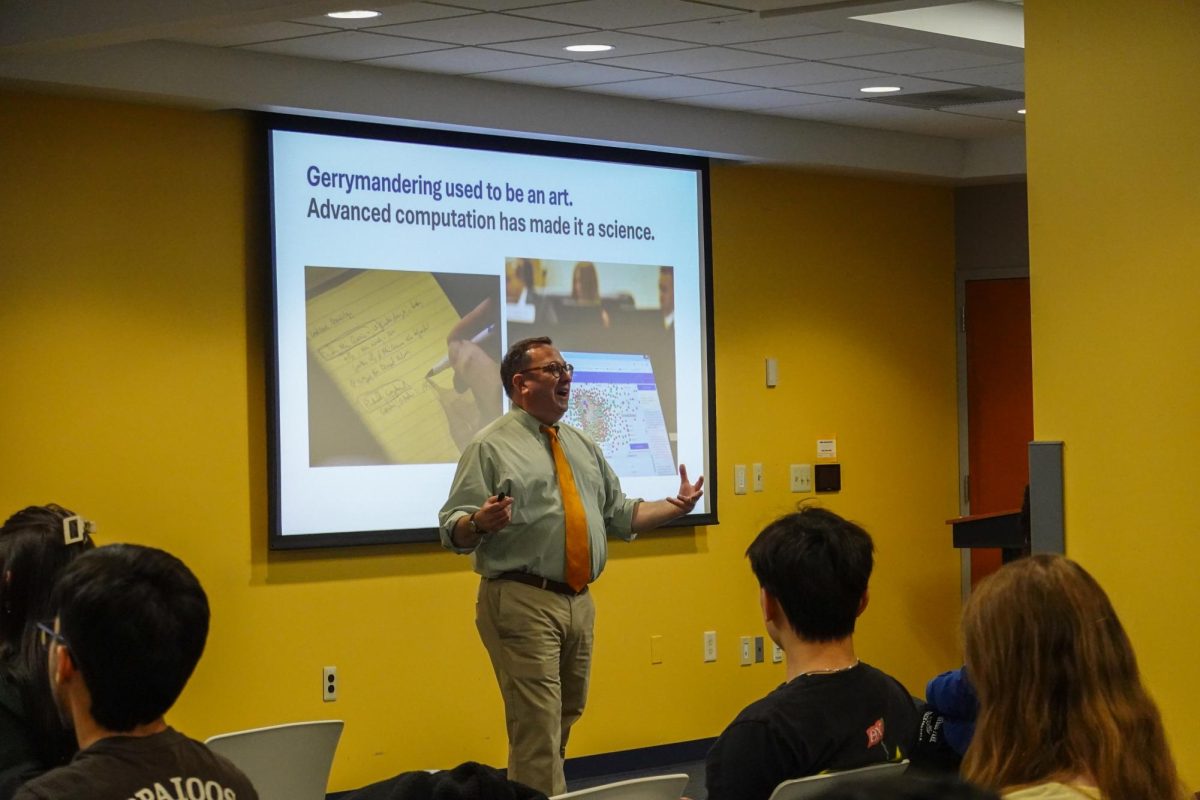
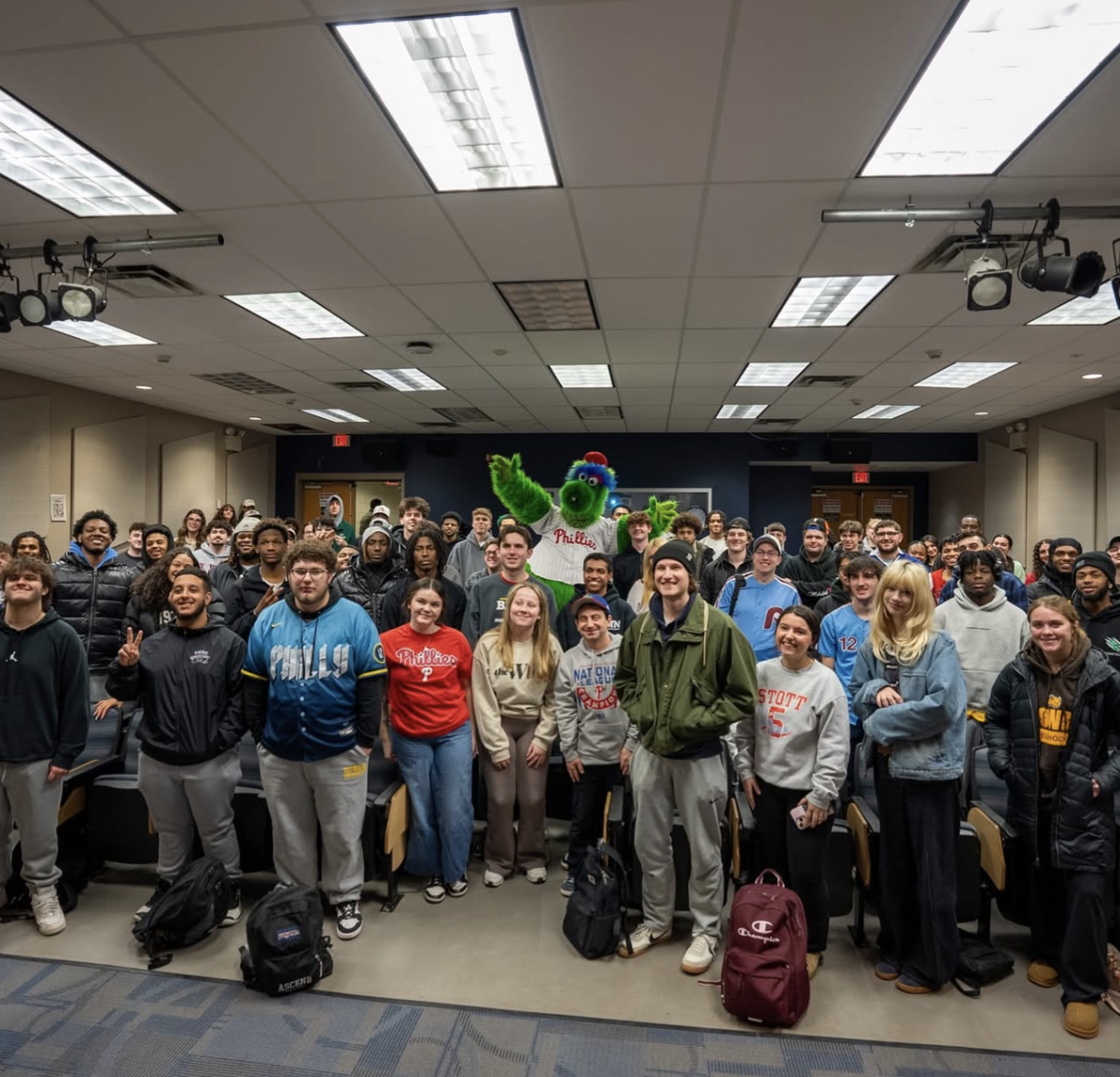
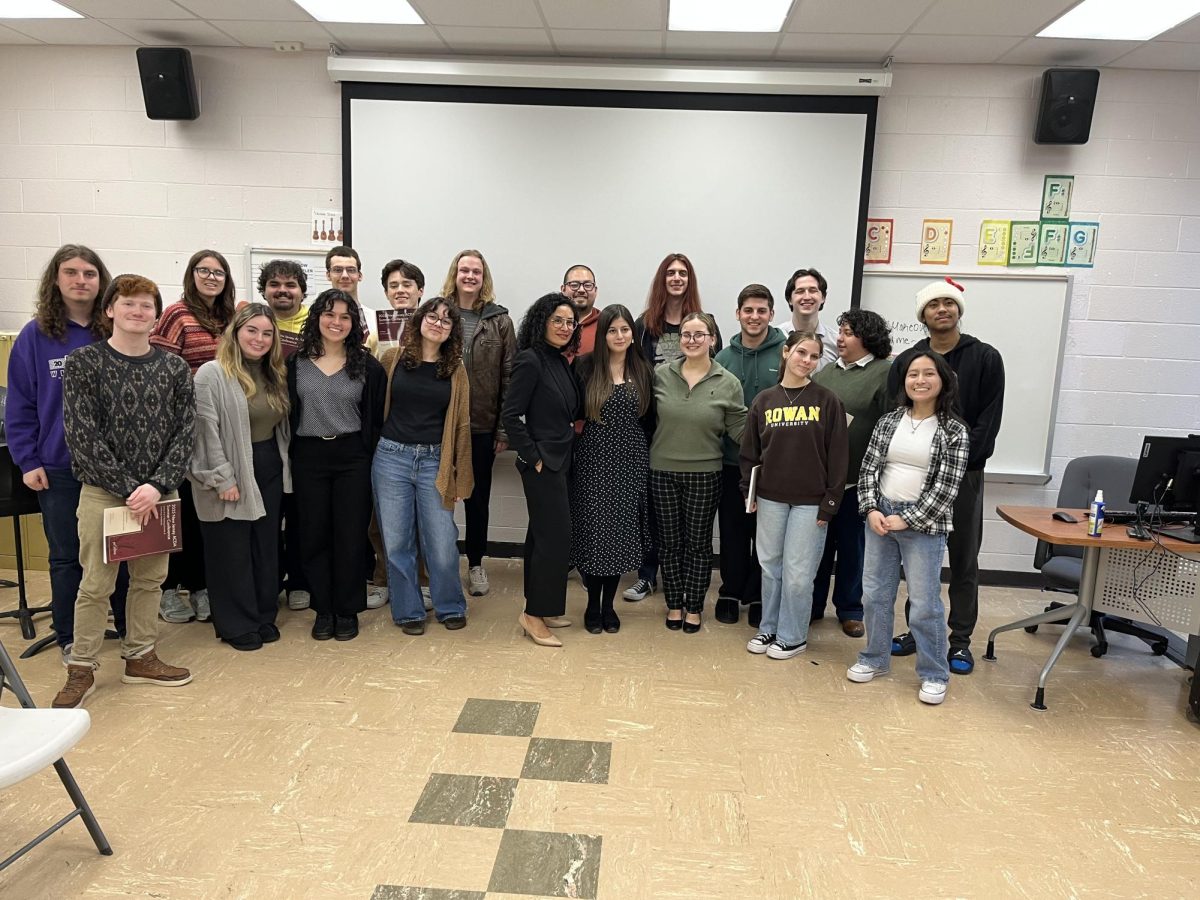
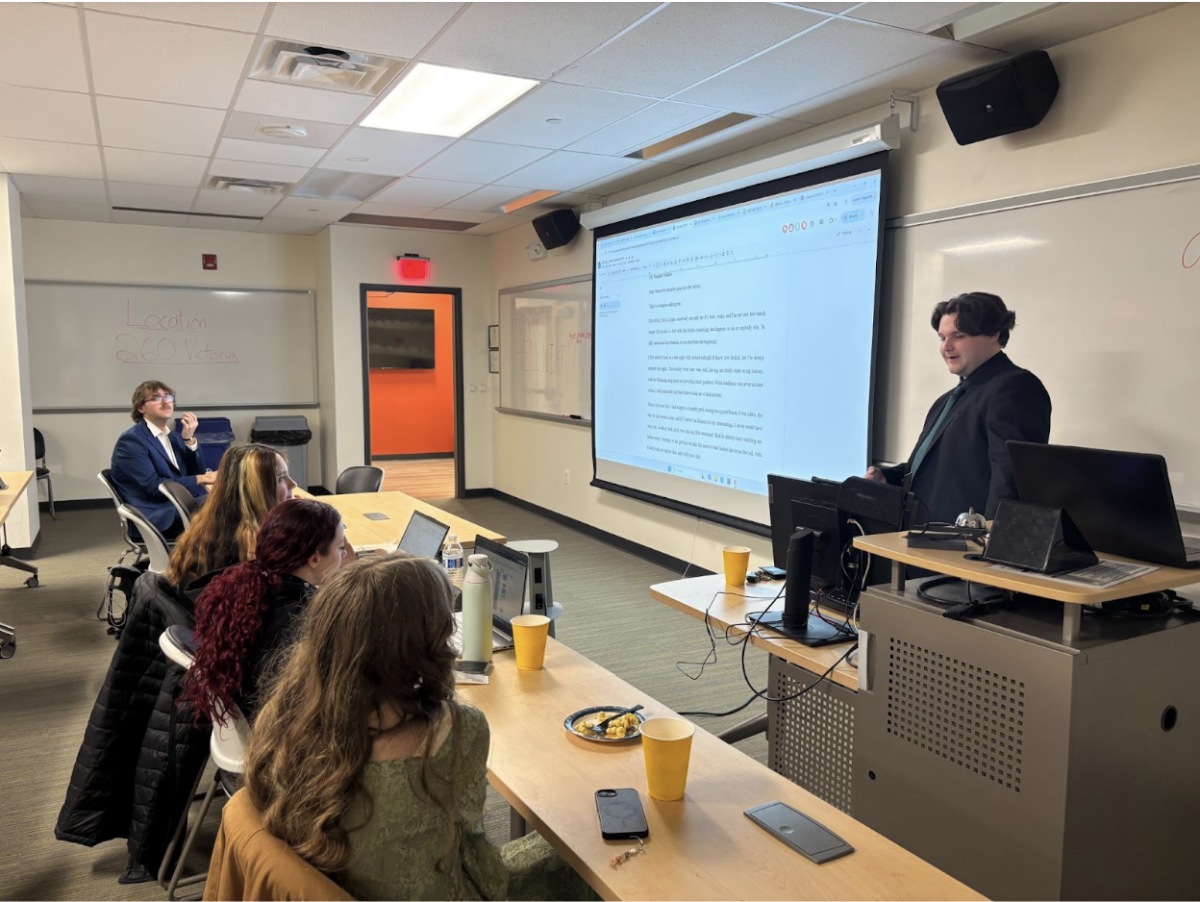
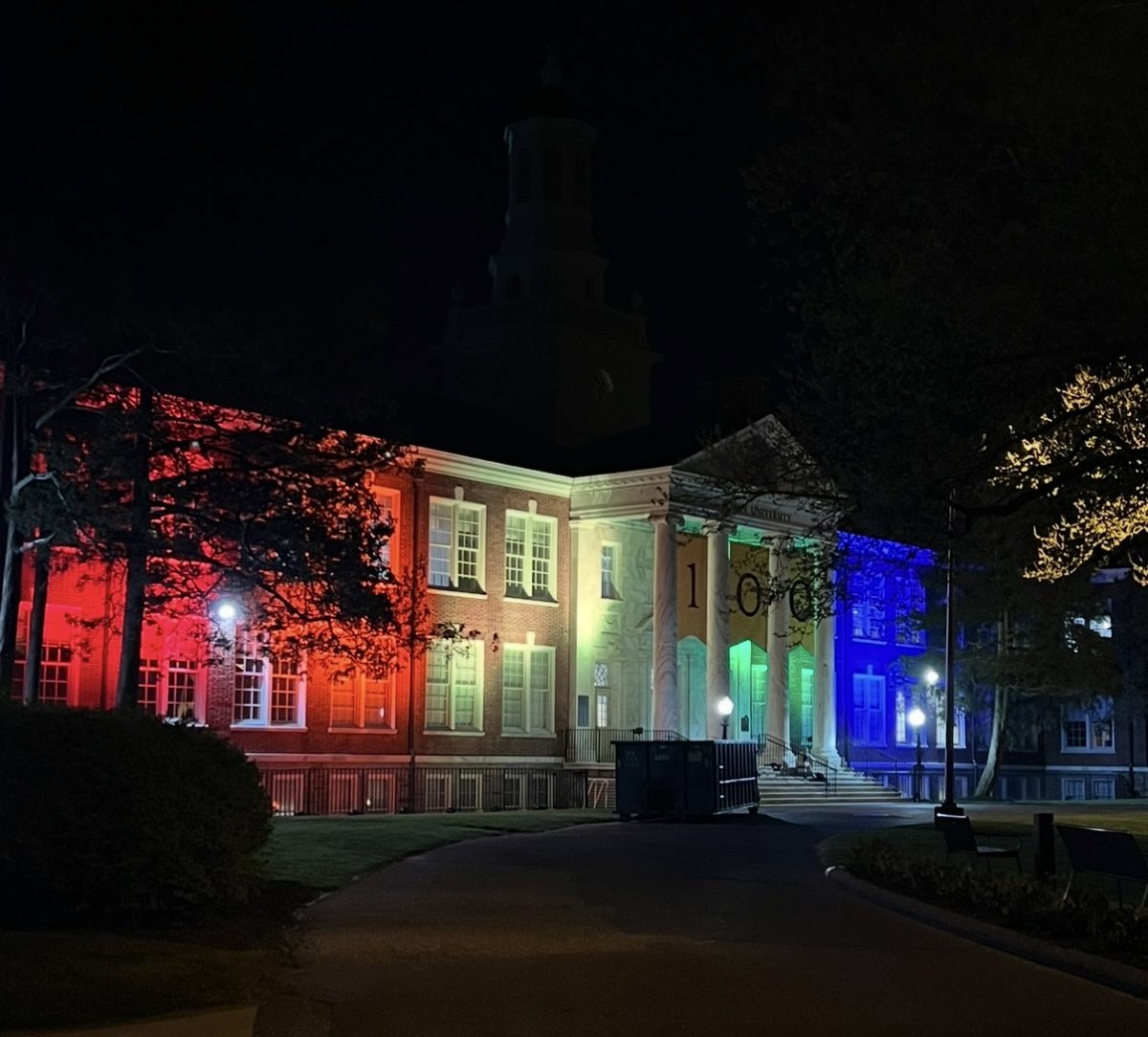
MacPherson, who was a freshman on campus, now teaches a mass media course a decade after her time at Rowan. Students in her mass media course were recently discussing the viral social media trend in class and the role that it’s playing in mass media.
“All of these narratives have to exist everywhere at the same time,” said MacPherson.
Like many who grew up in 2016, MacPherson remembers when social media still felt messy, spontaneous, and more communal. She notes that one of the aspects that’s drastically changed in terms of the social media landscape is image quality. With A.I. technology, it’s become increasingly harder to tell what’s real and what’s fake.
“Filters too are more insidious; they’re about fixing your face so you feel better about yourself,” said MacPherson.
There are also many other similarities and comparisons to be drawn between 2016 and 2026. For example, obsessions with Netflix’s “Stranger Things,” a supernatural television series that took viewers into the Upside Down, began in 2016 and concluded just before the start of 2026. Meanwhile, debut artists like Swedish popstar Zara Larsson finally broke through globally, after hustling for a decade with songs such as “Lush Life,” “Never Forget You,” and “Ain’t My Fault.” Larsson was recently nominated for her Grammy nomination for “Best Dance Pop Recording” at the Grammys for her song titled “Midnight Sun.”
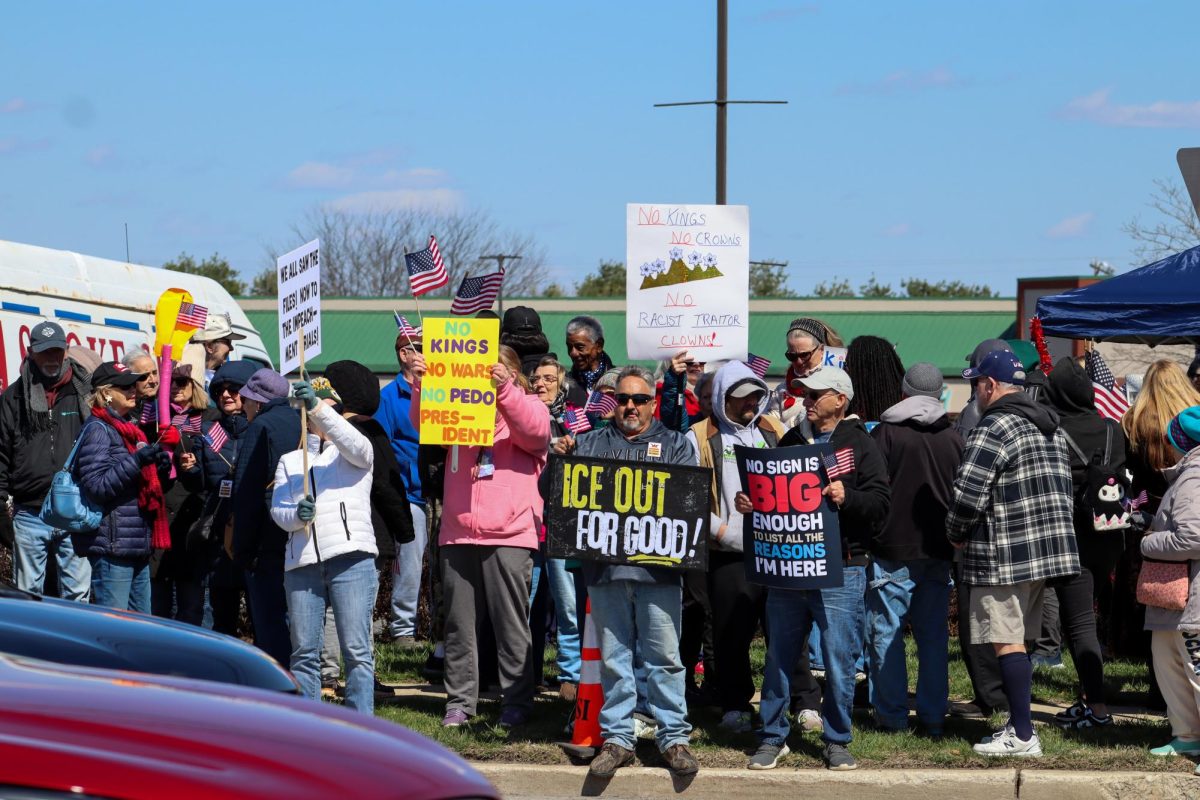
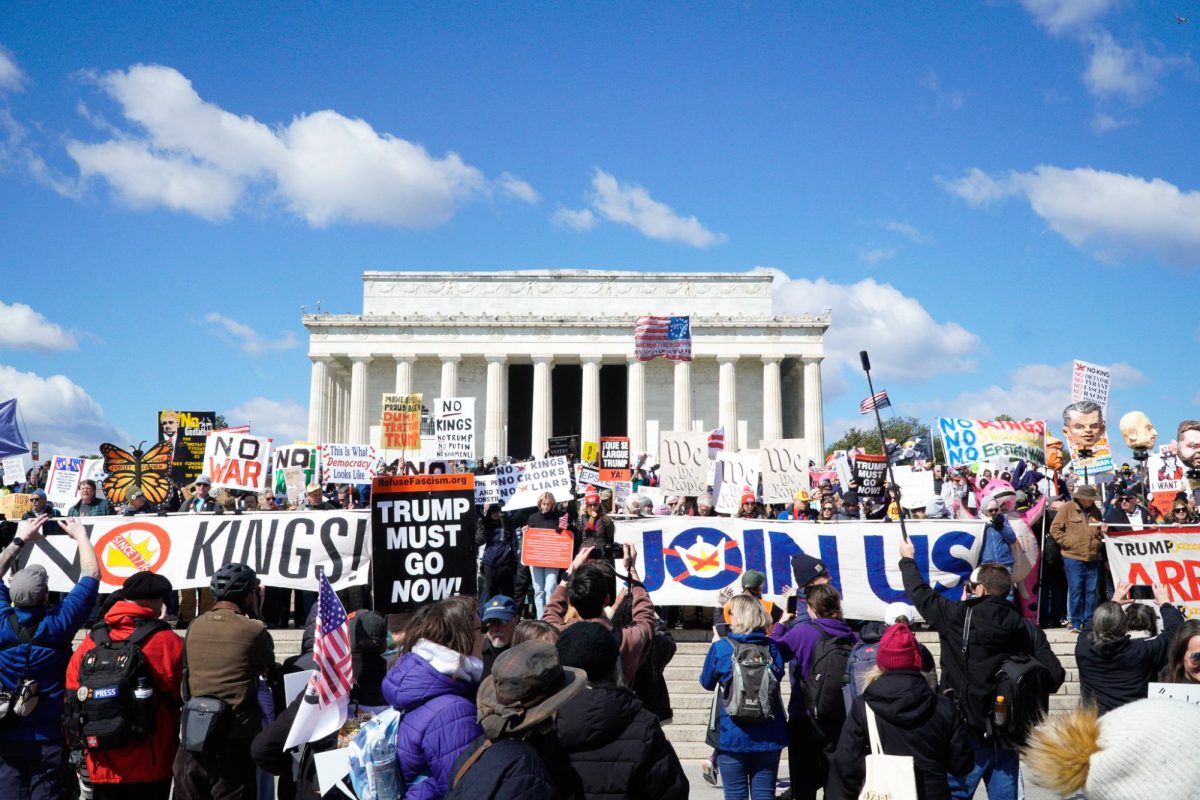
Politically, 2016 also marked the beginning of a new and turbulent chapter in American life with the election of Donald Trump as president in his first term after beating out his opponent Hilary Clinton. The win was a moment that reshaped political conversations and permanently altered how politics plays out online. A decade later, Trump has returned to the White House for a second term, and the political landscape remains polarized.
“You can’t experience something and reflect on it at the same time,” said MacPherson.
She believes that we, as human beings, tend to look at the past through rose colored glasses. Often cherry picking at what we prefer because everyone wants to believe their coming-of-age story was better than the one happening now.
For her, many of those stand-out moments in popular culture include pivotal music released by renowned artists such as the “Lemonade” album by Beyoncé, Rihanna’s “ANTI”, and “Views” by Drake. Hearing the song “Broccoli” by DRAM playing at every frat party and romanticizing the chokehold that choker necklaces and Kylie Jenner lip kits had on society.
“It ultimately makes me wonder what, in 2036, we’re going to be romanticizing about 2026,” said MacPherson.
In that sense, the trend isn’t really about going back in time, but rather it’s about asking why forward has started to feel so hollow. And as long as social media continues to reward polished perfection over personality and authenticity, the internet will probably keep looking over its shoulder for a past that felt a little more real.
For comments/questions about this story, DM us on Instagram @thewhitatrowan or email [email protected]