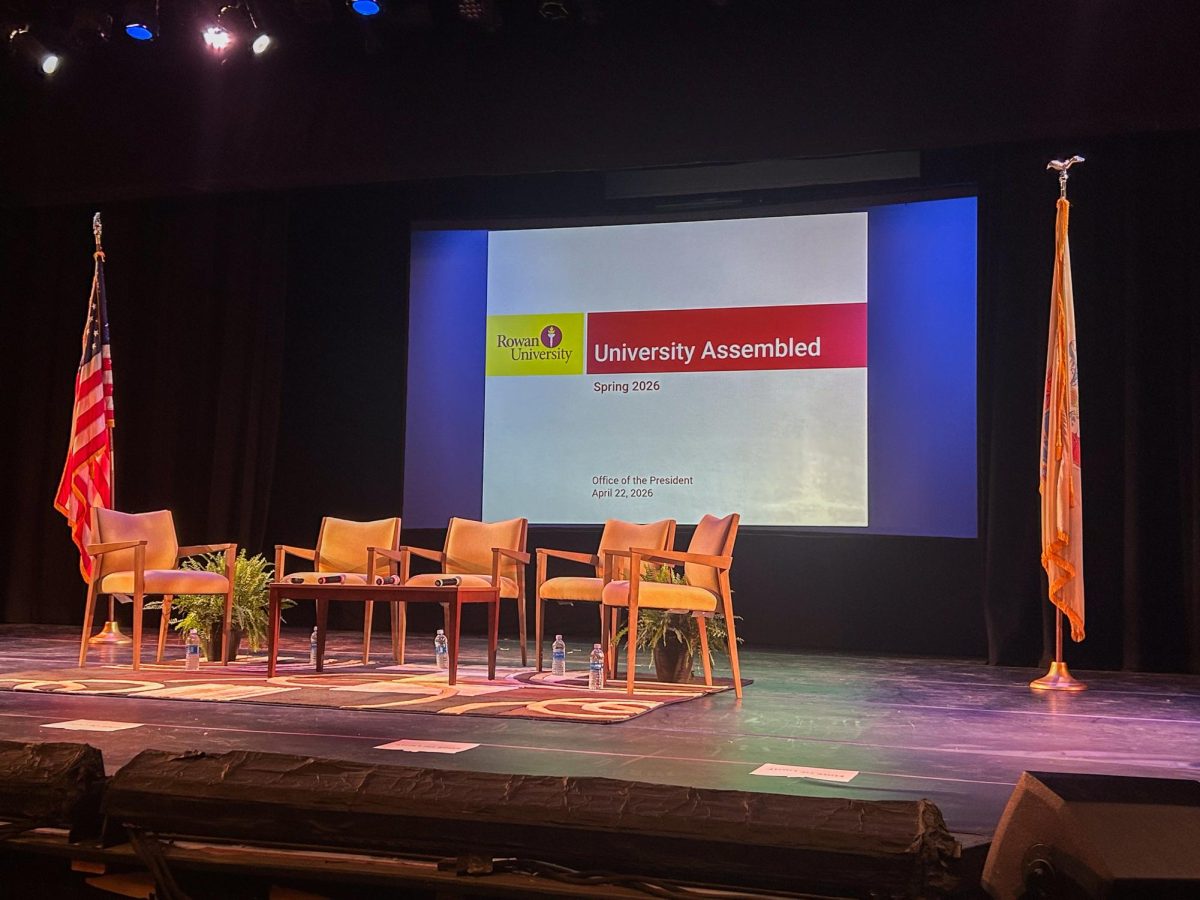






















































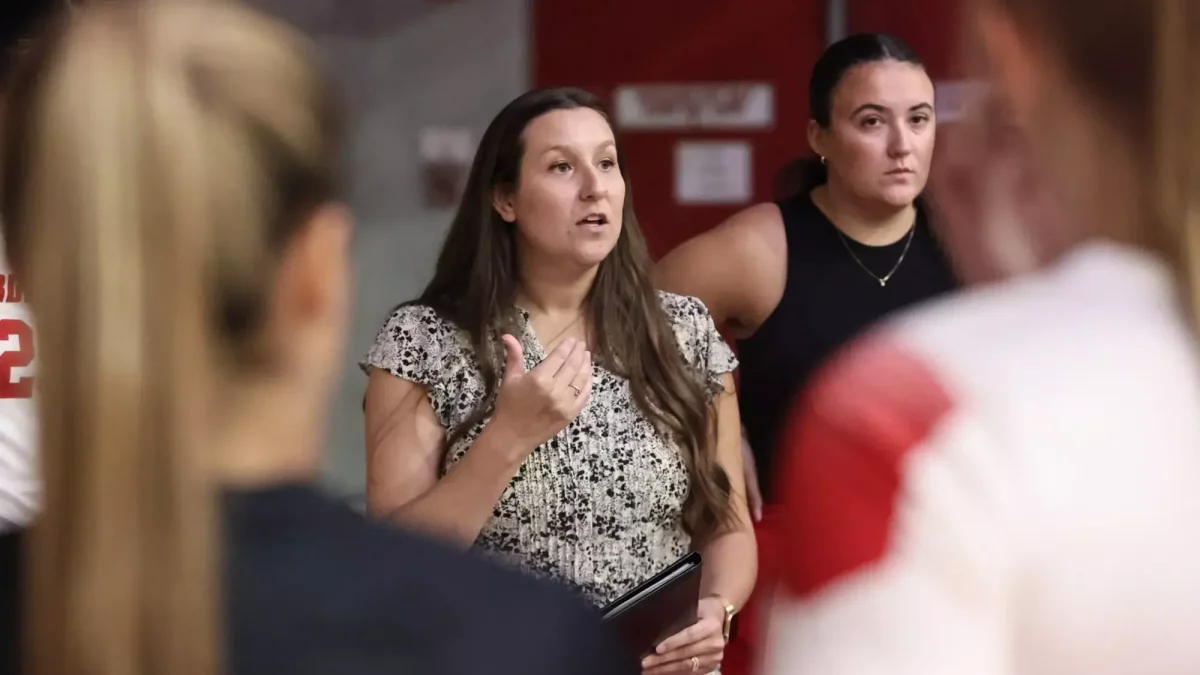



















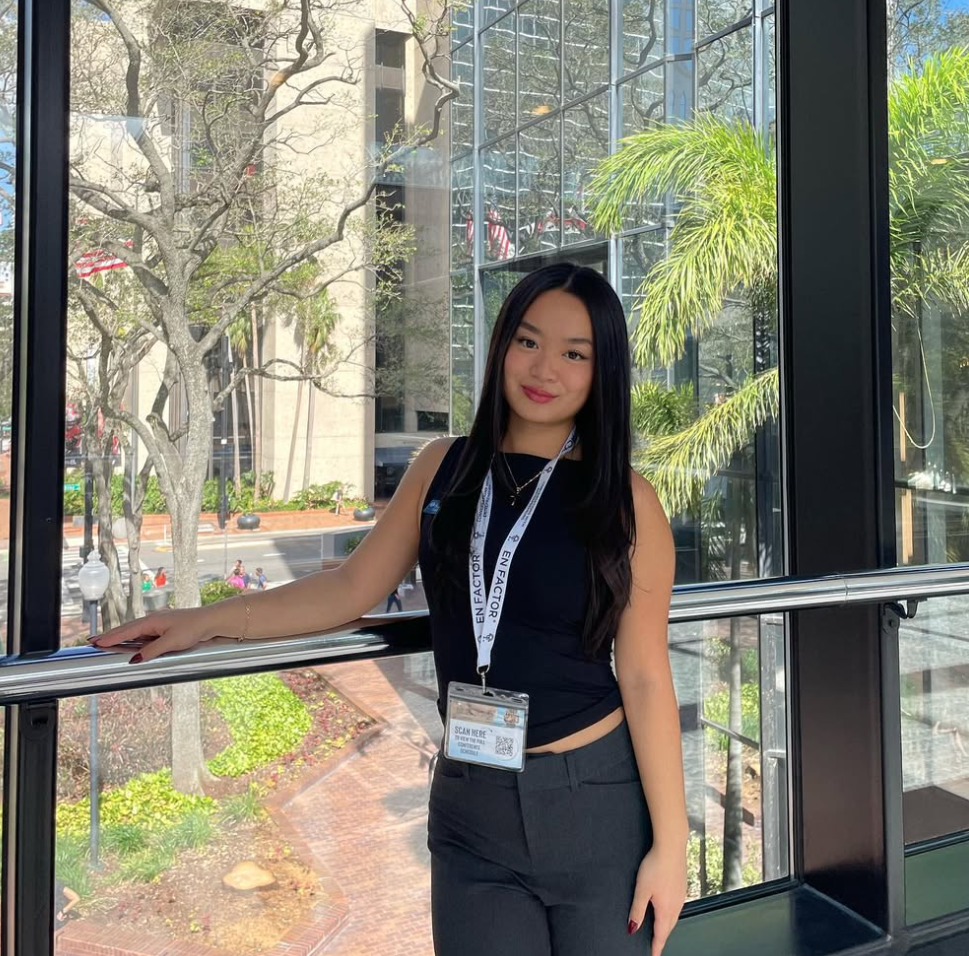


















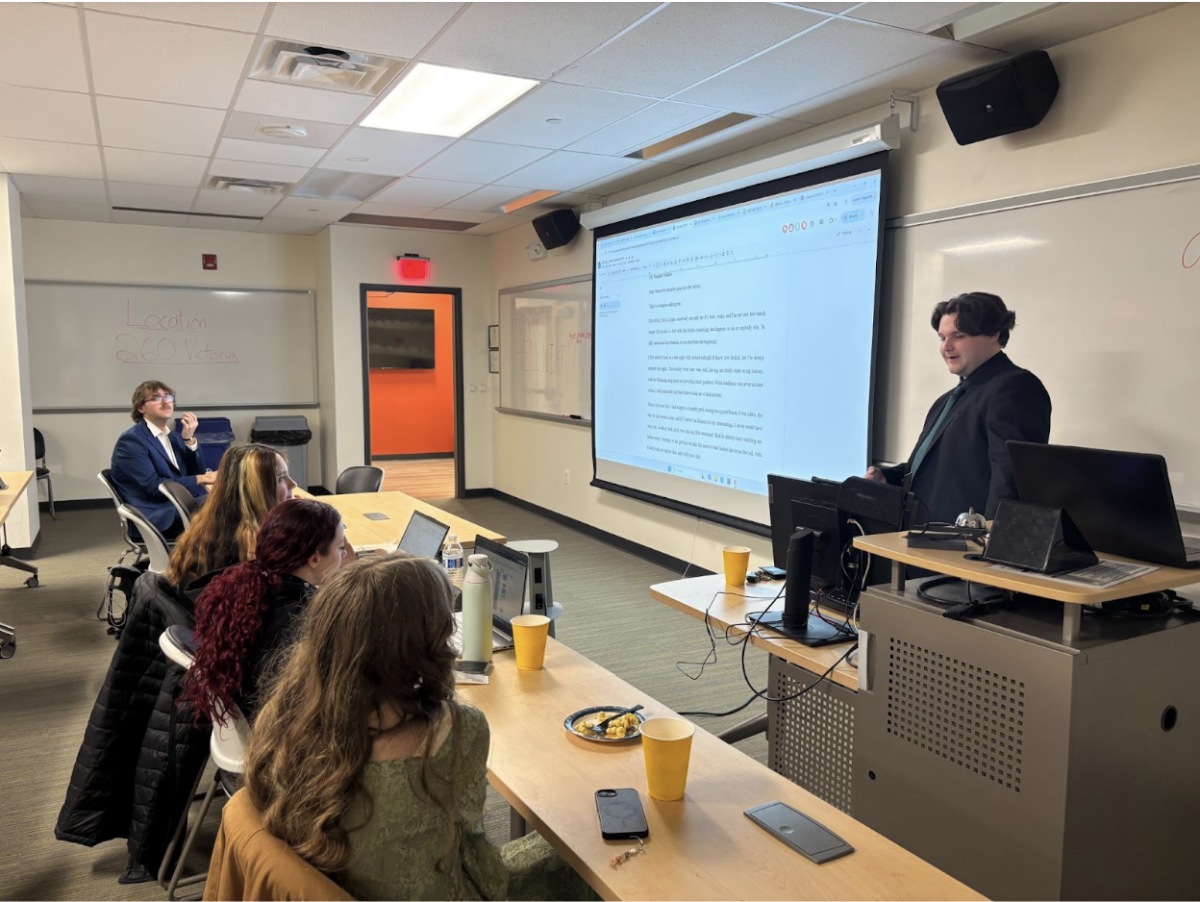
















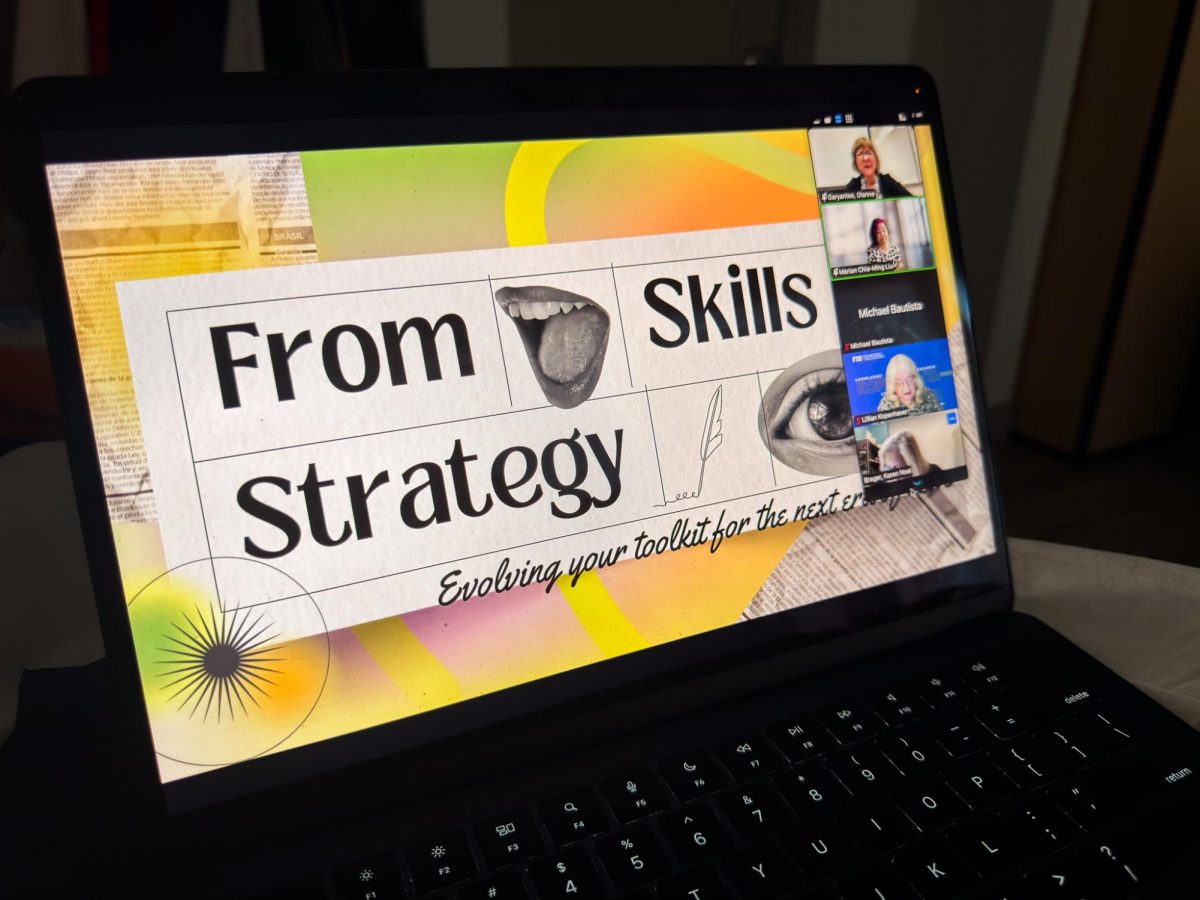
Pulitzer Prize-winning journalist Marian Liu invited students to embrace risk and adapt to change during a Feb. 19 virtual event hosted by the Center for Advancement of Women in Communication at Rowan University.
The online event, “From Skills to Strategy: Evolving Your Journalism Toolkit for The Next Era of News,” was held on Thursday, Feb. 19, and focused on how journalism has shifted from print to digital, to social media, and now to artificial intelligence. Liu, a former editor at The Washington Post, reflected on her career across multiple platforms and what today’s journalists must do to stay relevant.
Liu has worked as an editor, writer, and music critic at CNN in Hong Kong, The Seattle Times, and the San Jose Mercury News, among other outlets. She has also served as National Vice President of Civic Engagement for the Asian American Journalists Association and is currently writing a book on identity while advising nonprofit newsrooms.
Throughout the hour-long discussion, Liu emphasized that while media platforms evolve, the mission remains the same.
“The core is still storytelling,” said Liu, “But the platform has certainly changed.”
She explained that today’s journalists must think beyond just writing and reporting; they should also consider the strategy of how stories are distributed, who they might be reaching, and how those audiences are engaging with them.
“Just because you write it doesn’t mean people will find it. You have to lead them to it,” said Liu.
Nicholas Marinelli, a sports communication major at Rowan, said he first heard about the event through his professor, did a little bit of research on Liu before the event, and led the discussion afterwards.
“She talked highly about her [Liu] in class, and she seemed very interesting to listen to,” said Marinelli. “Seeing her history and what she has done to get where she is was incredible.”
Marinelli noted that what stood out to him the most about guest speaker Liu was her willingness to take risks throughout her career.
“By taking risks, she was able to achieve and accomplish her goals and be able to interview many celebrities, as she talked about interviewing Britney Spears,” said Marinelli.
Liu even described how stepping outside traditional newsroom roles, experimenting with emerging media platforms, launching new sections, and adapting to digital shifts helped shape her path.
“I’ve done everything: local reporter, critic, social editor, homepage producer, editor, teacher, entrepreneur,” said Liu. “The biggest challenge isn’t technology, it’s realizing we’re not always in the driver’s seat.”
A significant portion of the discussion centered around artificial intelligence and its impacts on journalism. Liu acknowledged both the potential and the risks it carries.
“A.I. can automate the boring stuff. But you’re serving people, not traffic,” said Liu.
Moderating the discussion was Dr. Dianne Garyantes, associate professor of journalism at Rowan University, who reinforced Liu’s message about the foundational skills a journalist needs.
“You have to know a story, and you have to know how to tell a story,” said Dr. Garyantes. “That skill will carry you. It doesn’t matter what platform you’re using.”
Dr. Garyantes, who began her career in print journalism before transitioning into television and later multimedia production, added that students who want to pursue a career in journalism should master reporting fundamentals such as accuracy, deadlines, source development, and ethics while also learning distribution methods such as social media strategy.
With artificial intelligence on the rise, Dr. Garyantes described the emerging technology as a “double-edged sword”. She noted that on one hand, it can generate headlines, sports recaps, and financial reports, while on the other hand, it can handle time-consuming tasks such as data analysis and transcription, allowing journalists to focus on investigative and in-depth reporting.
“The hope is that some of the more mundane tasks that journalists do can now be taken care of by AI,” said Dr. Garyantes. “There are certainly environmental effects of AI, but the first step is to use it a little more selectively and not just use it for everything.”
Despite layoffs at major outlets, including more than 300 journalists who were cut from their jobs at The Washington Post in early February, Dr. Garyantes believes new technologies could create new roles.
“Any new technology actually creates jobs,” said Dr. Garyantes. “There will be different jobs, new jobs created, and within the communication industry.”
According to recent research from the Pew Research Center, nearly half of U.S. adults get their news from social media, with even higher numbers among younger audiences.
“The trend is that that’s where a lot of people are getting their news and information,” said Dr. Garyantes. “It’s the storytelling, just telling it in a different way for social media.”
She even described the current media landscape as both challenging and creatively exciting, as she believes it offers journalists opportunities to tell stories across multiple platforms, from short social posts to long-form documentaries.
“Journalism matters,” said Dr. Garyantes. “It’s not just a fun thing people do. People need fact-based news and information so they can make educated decisions.”
For comments/questions about this story, DM us on Instagram @thewhitatrowan or email [email protected]