










































There used to be a time when I didn’t know what the term “parasocial” meant. I was young, rather sheltered, relatively unbothered, and not curious enough to find out either. But then I grew up and decided to get exposed to the realms of the internet, and now that time is over.
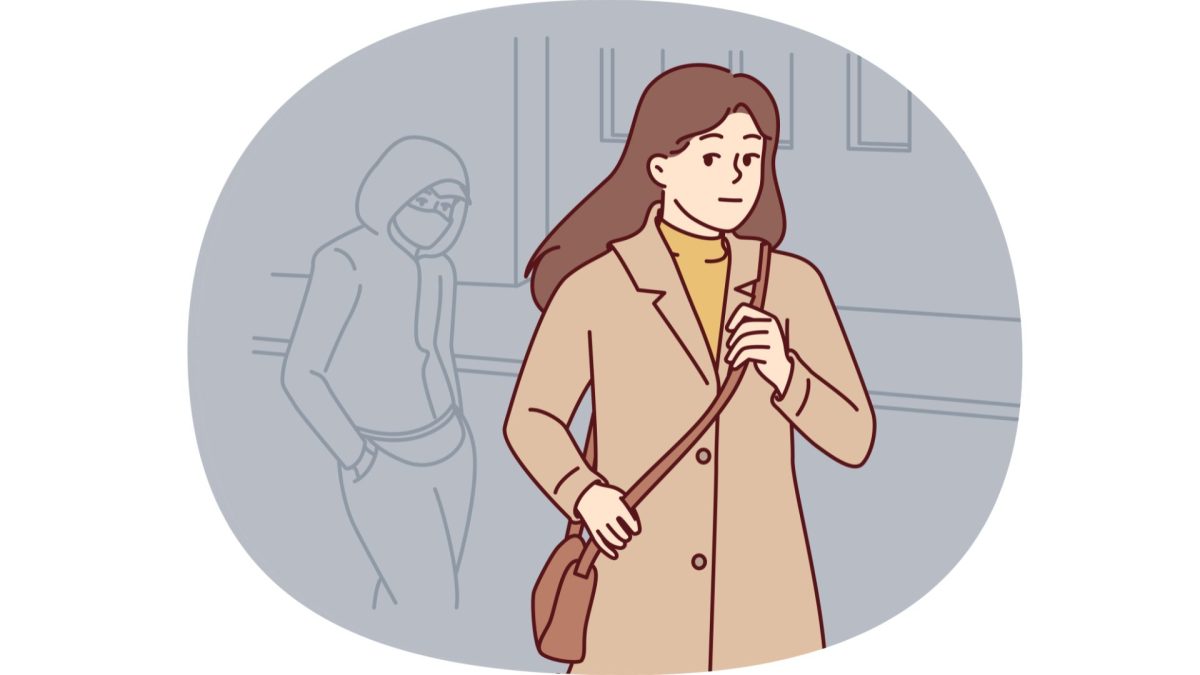
Parasocial relationships are described as a one-sided emotional relationship with someone that they don’t know, mostly with celebrities or other public figures, via the internet. I will admit, however, a lot of the absolutely absurd things I have seen come out of parasocial relationships are not exclusive to the internet; I just didn’t know what the accepted term was yet. To a majority of people, I’m sure that any time there was an incident reported where a famous person was mobbed or stalked, most just passed it off as paparazzi or insane fan behavior. But this is actually the most notable form of parasocial activity that doesn’t take place on the internet. That’s because many of the people who mob or stalk celebrities are, in fact, fans who think that they are entitled to every aspect of that person’s life.
This right here is the perfect word to describe a parasocial relationship – entitlement. These famous people don’t owe anyone that they don’t personally know their lives, yet those who think this way can have an incredibly harmful effect on all individuals involved. Extreme cases can lead to tragic events, i.e., Princess Diana’s passing.
Consider the internet’s role in all of this. Even though there have been some awful displays of this parasocial ideal in real life, some of the worst cases of it today have come from the influence of the internet, now that we are so technologically advanced. I think the biggest reason why the internet promotes parasocial behavior is because of the sense of anonymity that it gives users. With anonymity, what is stopping people from doing what they want?
This sense of privacy allows people to operate under false names and pseudonyms, and almost gives them a form of protection that some aspects of real life can’t. So when hundreds of thousands of fans, and even people who aren’t fans, gather around to attack and cyberbully someone, it’s almost as if the fans have a sense of immunity because there are so many that they can’t all be caught. There is also the factor of not knowing if the person is who they say they are, because it isn’t a requirement to put your legal name on the internet. For many of us, we grew up with this sense of anonymity, making this behavior feel normal or even natural.
Still, internet parasocial behavior is – for lack of a better word – unhinged, to say the least. Many of these issues show up in “fandom culture,” and because there are no rules to how a fandom operates, it’s just allowed. For example, fans may attack people for having negative opinions and valid critiques on the celebrities and influencers that they like, and take it personally as if they are the ones being attacked.
The internet celebrity culture can best be compared to fashion trends, as the culture comes and goes in iterations. I have had the displeasure of viewing it from all sides, but it all works the same, no matter what part of the world you reside in. The most glaring fan behavior has come from K-Pop stans, or super-fans. The relentless bullying, bodyshaming, and stalking exhibited by some fans has gone to extreme levels throughout the years, and honestly has gotten even worse. Even top celebrities in Korea have spoken out about it, and some even had to take legal action, such as Jang Wonyoung of the group IVE.
The K-Pop industry is full of problematic ideals, and parasocialism is a major one. And the reason why it’s gotten to this point is that the industry has these celebrities, or “idols,” play into the parasocial relationships that fans build, such as giving fans too much access to their likeness and community by way of fan signs, fan calls, and more. Fans do not have a right to the privacy of other human beings; we are not in their lives, so there should be a boundary set. Is it the idol’s fault? Not necessarily, as most are just trying to make it, but the practice is too common not to notice, and it’s one of many examples of how exploitative the industry is, as some of these idols are teenagers.
And it would also be unfair to state that this is only common in the K-Pop industry, as Western entertainment is guilty of overexposing its celebrities, too. There have been so many instances where entertainers have dealt with fans’ parasocial tendencies.
Take, for example, any instance where someone gets famous almost overnight. It’s like a ticking time bomb for when fans will start to act crazy. Chappell Roan is a recent example of this. It seems that she is always in a situation where she is getting harassed by paparazzi or misinterpreted by people. However, her situation is a bit different from mine, as there are instances where she should be critiqued, yet she seems immune to the proper criticism due to the unjust criticism she gets.
In this day and age, it seems that parasocial relationships have no limits, but they should. People need to accept the fact that you don’t know these people, fans and non-fans alike. There isn’t anything wrong with being a fan of a famous actor or singer, but it becomes a problem when you start to pry into their personal lives and start blindly defending them when there are instances where they are in the wrong. Or, on the other hand, hating someone so much that you make actual pages and sites to tear down someone you don’t know. Both of these are two sides of the same coin, of believing you have a right to someone’s life and how they act in it.
For comments/questions about this story, DM us on Instagram @thewhitatrowan or email [email protected]