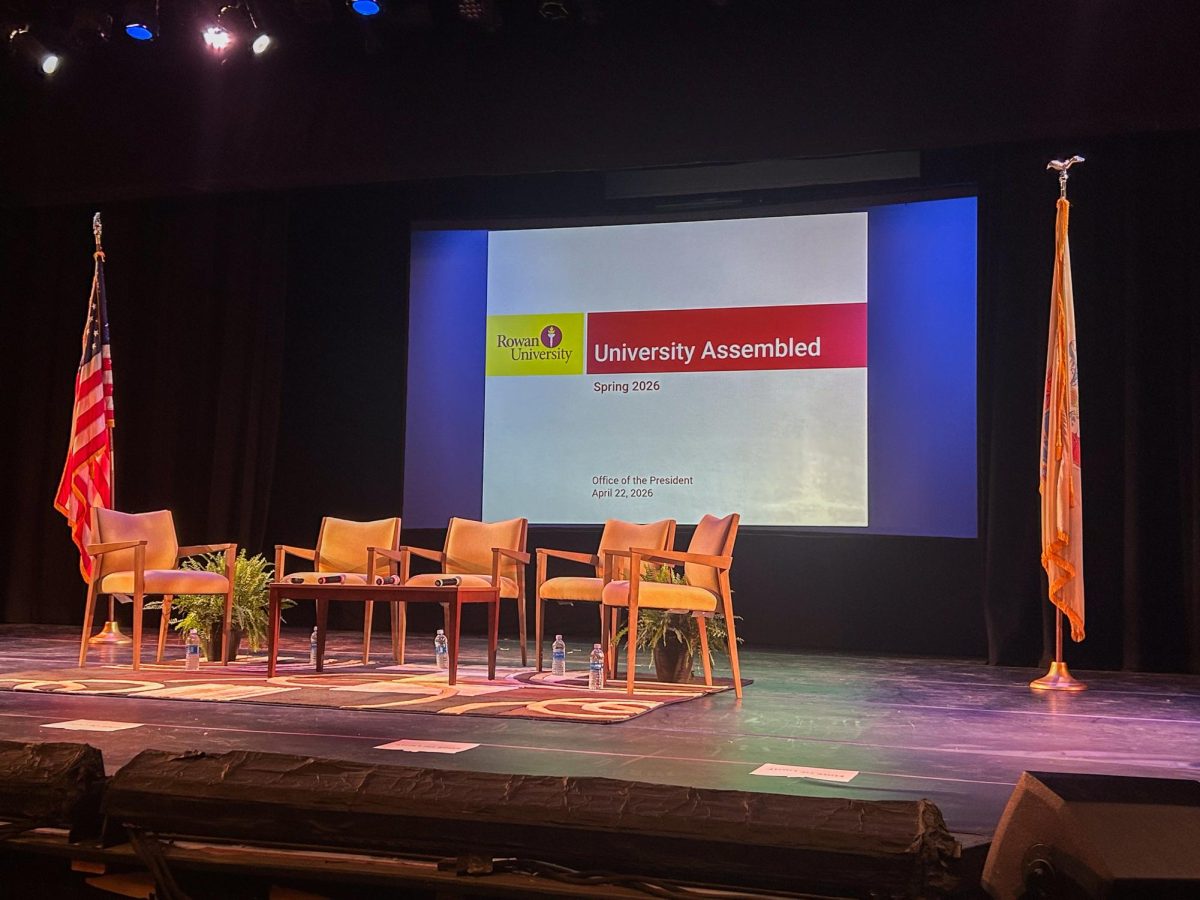

























































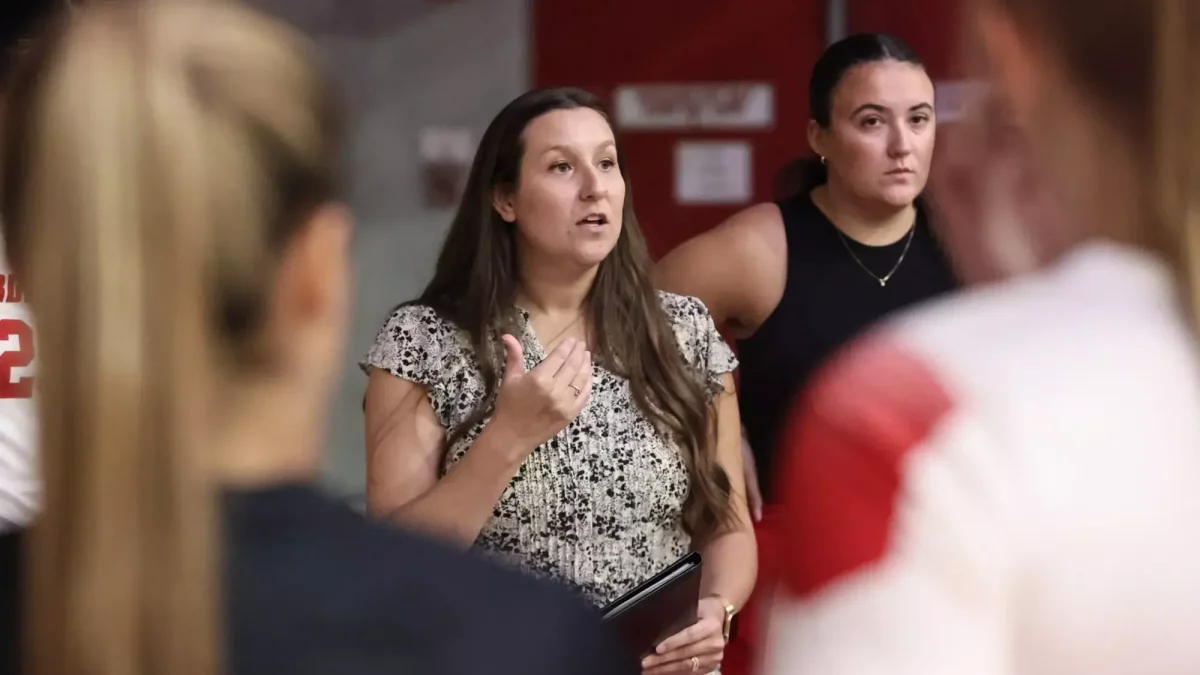
































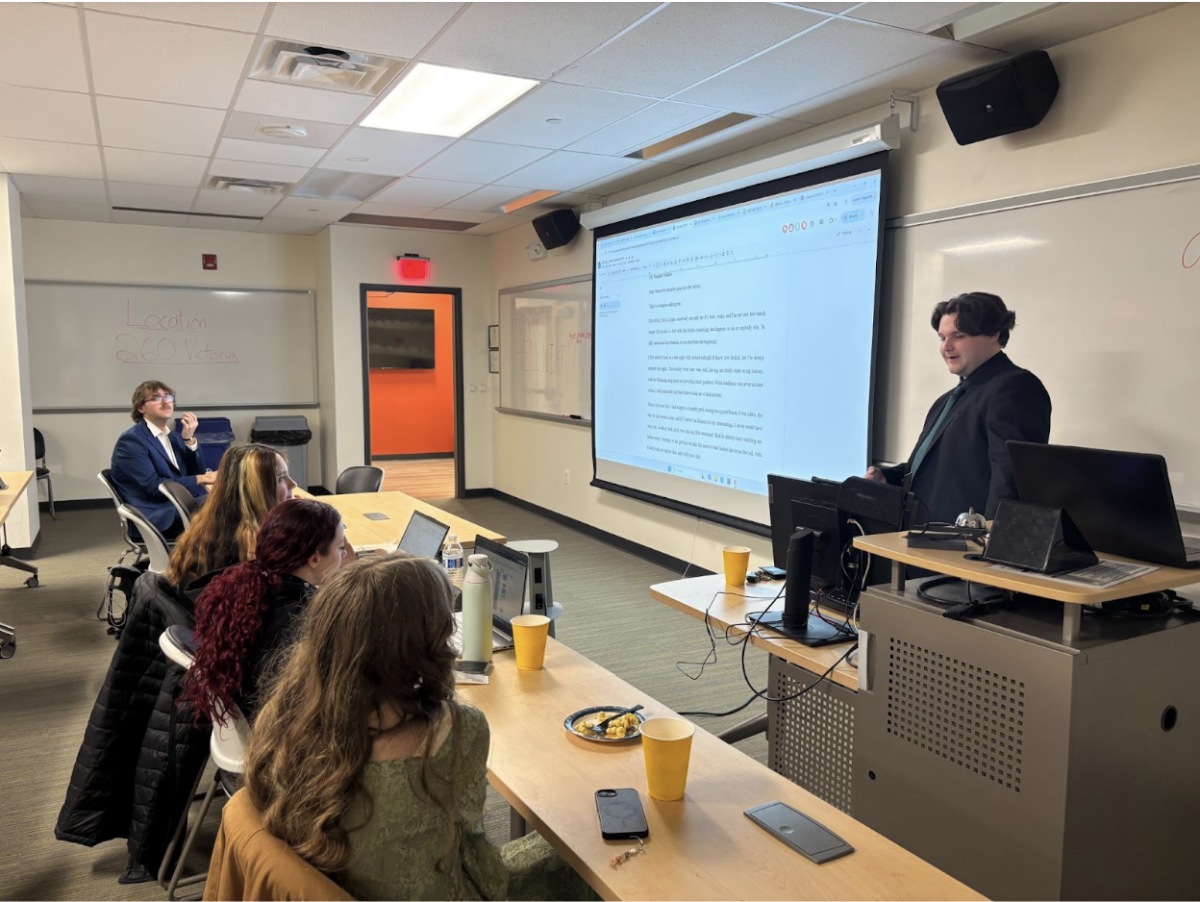





















Following a heated previous meeting regarding a new policy, the University Senate gathered for the second time this year to make final adjustments to the “Third-Party Access Code and Pay-to-Participate Tools Policy Draft.”
The University Senate meeting on Friday, Feb. 13, kicked off by changing the name of the policy to the “Paid Third-Party Digital Platform Policy Draft.”
During the discussion, one of the amendments to the policy created points of worry to some staff, one being the worry of exceptions when it comes to what external paid resources could be considered “pedagogically essential” regarding textbooks. This created the ability to request exceptions from this policy if it can be proven as essential to the class and the teachings.
A vote to change “pedagogically essential” to “pedagogically beneficial” was first discussed. The main point was whether it was easier to explain exceptions as essential or beneficial.
Some pointed out that using the word “beneficial” could be far more ambiguous and thus muddier than it would be with the term “essential”. Others, such as Samantha Kennedy, an information literacy librarian with the Campbell Library, pointed out that it should be the teacher’s responsibility to explain why it would be essential.
“When push comes to shove, if you cannot demonstrate ‘this is an essential part of not only my course, but students’ education in this field to get access and be exposed to this’, then that is a you problem,” said Kennedy.
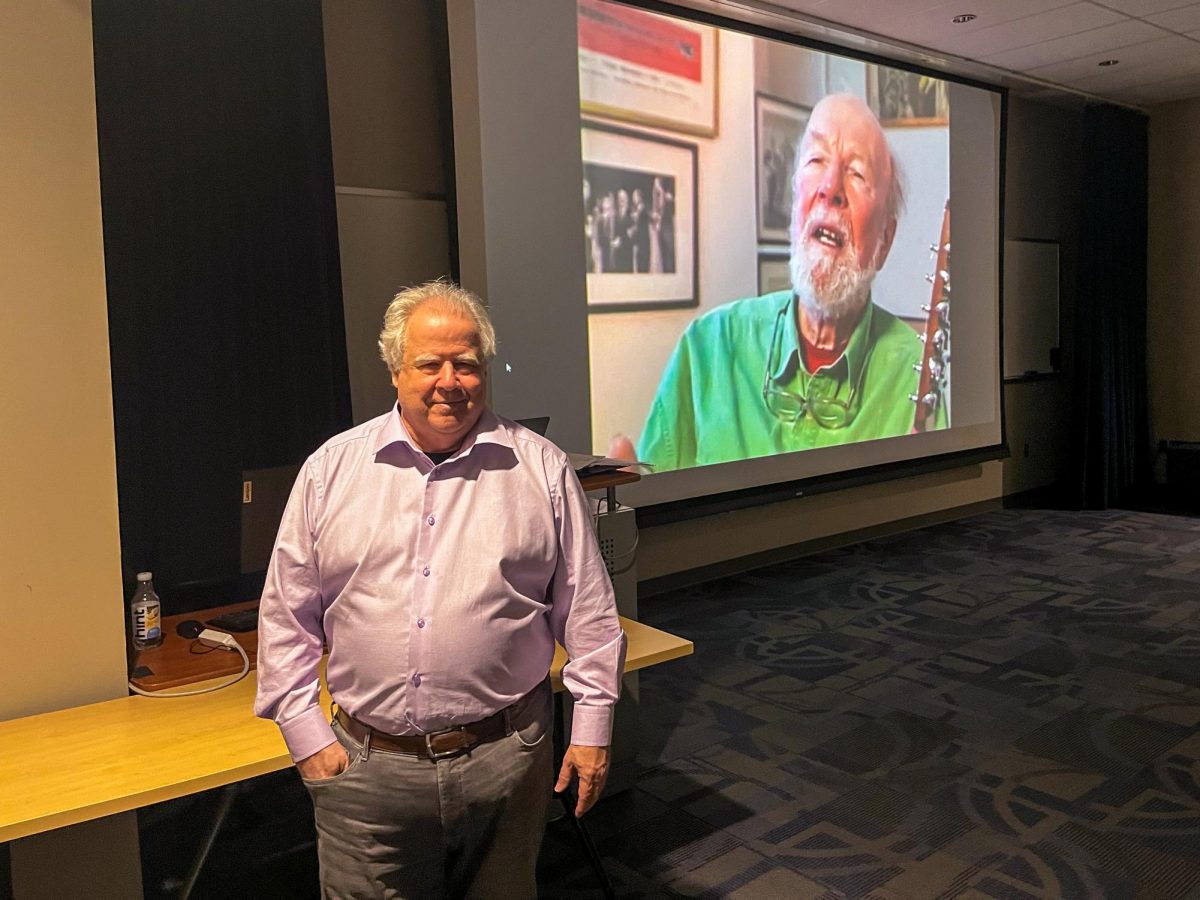
The other point of the topic was the usage of the removal of the word “unique” regarding exceptions. No one at the meeting voiced any support to keep the word “unique”, though Dr. David Klassen, a professor and astronomy coordinator in Rowan’s department of physics & astronomy, spoke about how the subjectivity of the word could create future problems.
“All it takes is the next person in charge of the technocrat to say ‘nothing is unique’. Everything gets denied,” said Dr. Klassen.
In the end, the Senate voted in favor of the change 36 to 31 with five abstentions.
The second vote of the day was for the same call to change the term from “essential” to “beneficial”, but regarding non-textbook-related material. The vote in favor of the change of this policy would be the same as the first vote: in favor 36 to 31, with five abstentions.
The next piece of discussion was two revisions in terms of the review of materials within the policy. One revision was to strike a sentence that only allowed consultation of items depending on their logistics, not based on the actual content. The removal of the sentence enlarged the scope of review from the Technology Resources Committee (TRC) to be broader.
The second revision added the exception of the TRC to get the consultation of others within the same discipline of the subject at hand. This revision was set to not only remove any restrictions of review for third-party platforms between logistics and content, but also to allow TRC members to seek help from other members of the discipline to help in review. This topic would not receive much deliberation due to the meeting running thin on time, but the final vote for this change was in favor 44 to 16 with eight abstentions.
The discussion before the final vote on the textbook policy was for an appeals process, which would allow faculty to bring up content denied by the TRC to be brought up to the dean for a final decision or for temporary allowance while a final decision is made.
Quite a few staff members present at the meeting had their reluctance to this amendment, and instead offered alternatives like the appeals brought to others, such as the Senate Executive Committee. Some staff members, however, like Kimberly Poolos, the chief technologist for the computer science department and chair of the TRC, weren’t completely convinced.
“Appealing to the dean does not provide the continuity that appeals to something like an executive, even though it changes over time,” said Poolos.
The appeal process would eventually be scrapped due to “too many union issues,” according to Dr. Bill Friend, the Senate President. Instead, the topic was split into three votes. The first was the allowance of the ability to go through an appeal process that wasn’t through the means of the dean. The majority voted in favor of the appeals.
The appeals process then moved from the dean to the Senate Executive Committee, while also allowing for the executives to consult with experts on the subject matter. The final vote for this change would go in favor 57 to six with eight abstentions.
One last quick ruling was made before the overall policy ruling regarding a contradiction in the policy of syllabuses telling students about required external tools.
On one hand, a teacher can get an exception for an externally paid tool that is required for their class, but another statement also says that students can’t be told that they need to purchase required external tools, making it conflicting to require students to purchase approved external software. In the end, the statement barring the requirement to buy class-approved software would be removed.
With all the legal words, amendments, and rulings, Klassen brought up a statement before the final vote regarding how the document never truly targets the main topic at hand.
“There’s nothing in this document that touches actual affordability. It is simply a prohibition,” said Dr. Klassen.
The meeting would end after an hour and 50 minutes, with a final vote for the policy and its new amendments resulting in 52 to 17 in favor of the policy.
The next University Senate meeting will be held on March 6.
For comments/questions about this story, DM us on Instagram @thewhitatrowan or email [email protected]