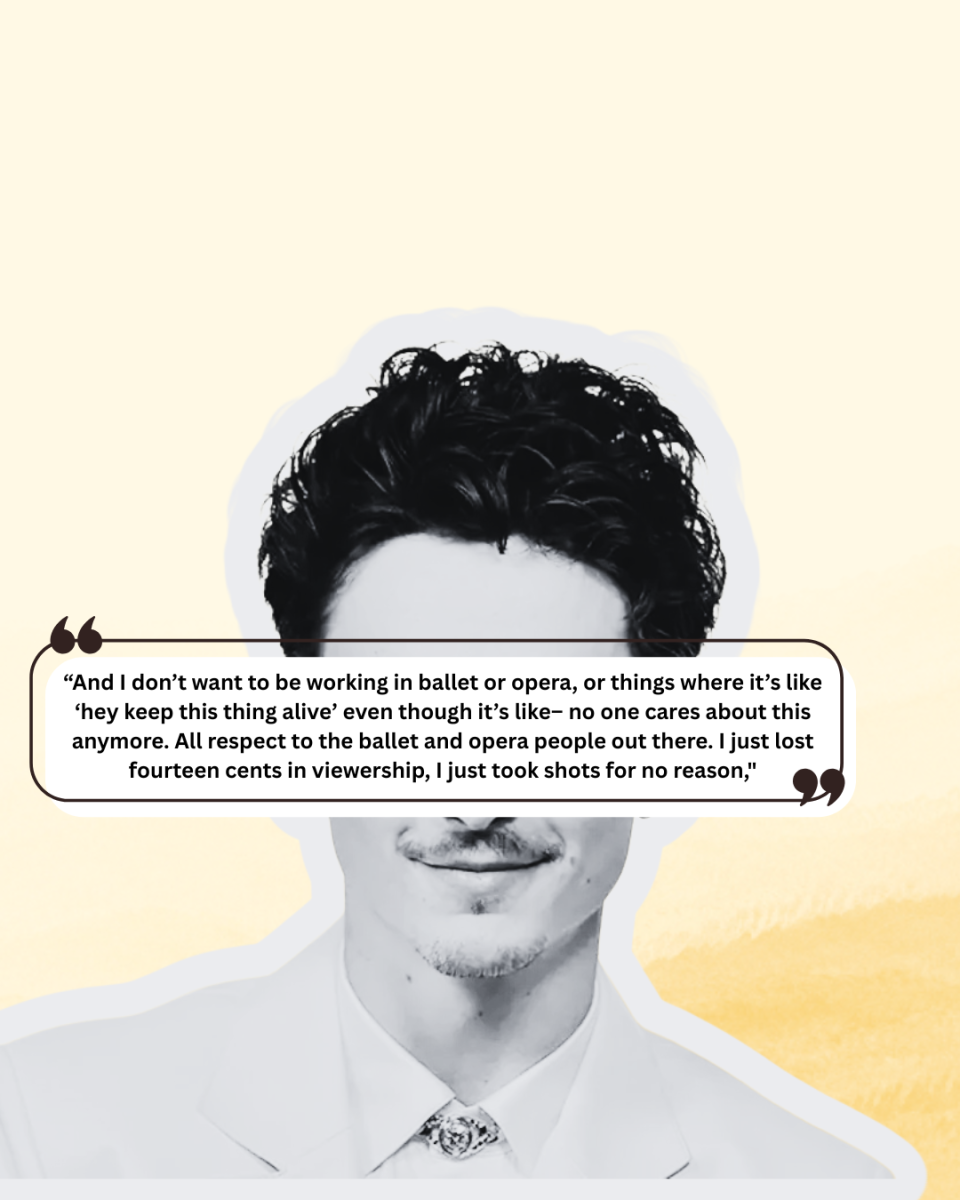








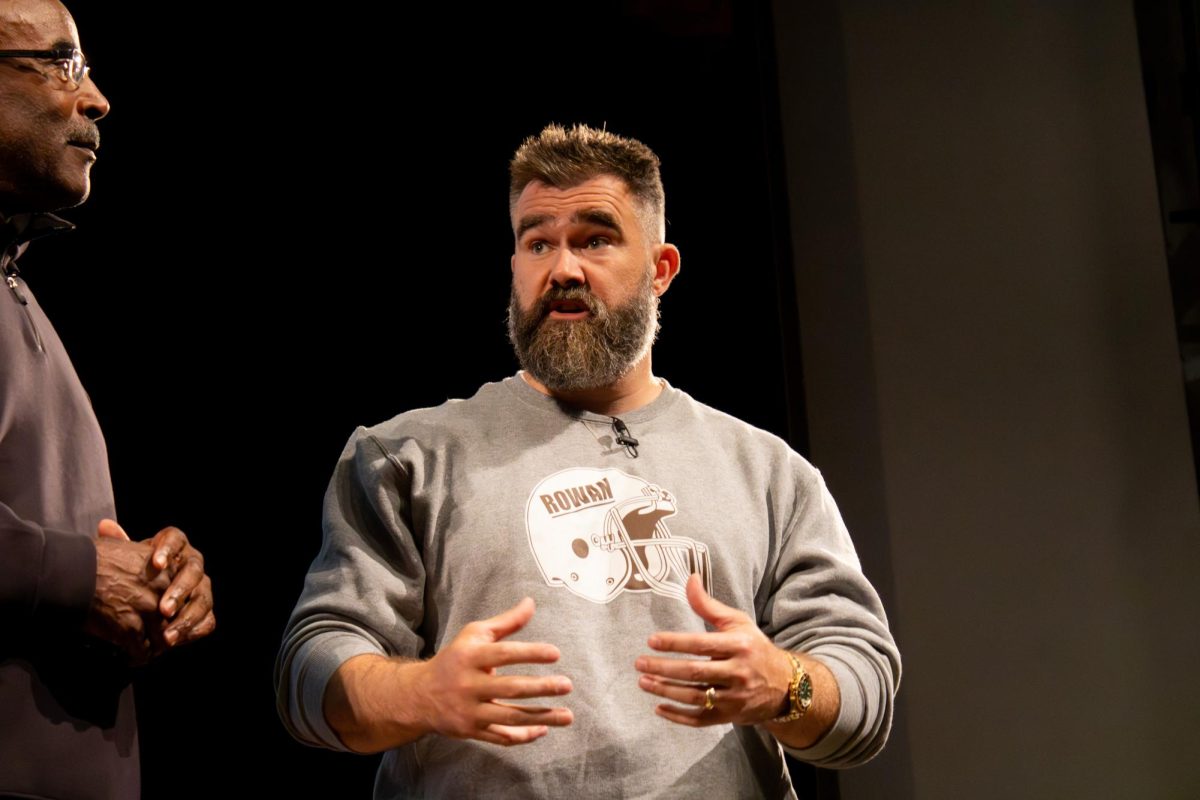





























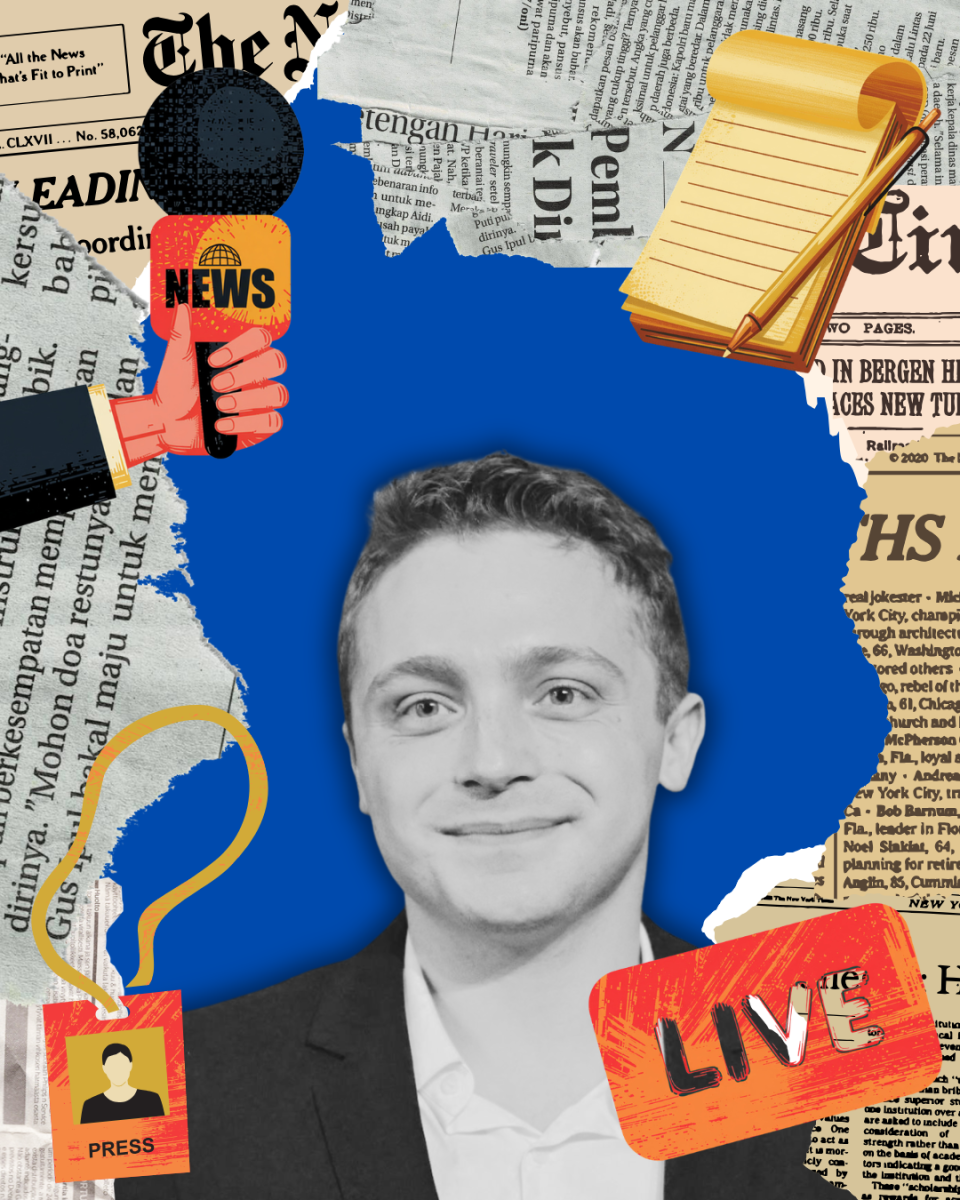
Recently, influencer Jake Shane received backlash after hosting the Vanity Fair Oscars after-party red carpet. During an interview with Julia Fox, he repeatedly doubled down on a joke after it didn’t land the first time. Viewers took to social media with the moment, arguing that it came across as tone-deaf and showed a lack of awareness of the subject matter and setting.
This backlash wasn’t just about one awkward interview. It pointed to a larger issue in the media where traditional journalism jobs are being taken by influencers. This shift is hard to ignore, especially for the people actively working toward a career in journalism. As someone studying journalism, it’s hard not to feel frustrated watching these influencers step into spaces so easily when I have to put in so much work to even get close.
People spend years in classrooms learning how to interview, report, and handle ethical situations. With all the time and money spent getting a journalism degree, there are some expectations that the work put in will lead to opportunities in the field. Instead, many of those opportunities are given to influencers.
This issue also raises questions about what the industry really values more, skill or visibility. When media companies decide that they would rather have big-name influencers rather than trained journalists, it gives journalism a bad rep. It shows that clicks are more important than proper reporting.
I can’t blame these big media companies for hiring influencers for these types of events. People like Jake Shane, Quenlin Blackwell, and Brittany Broski have a built-in audience that will support anything they are part of. That kind of loyalty translates directly into views, engagement, and attention.
And it’s not like they’re completely unqualified to do this type of job. A lot of influencers already interview people as part of their content, whether it’s through podcasts or collaborative content. In that space, that is a form of journalism, even if it’s more informal.
When I tune into something like “The Broski Report,” Blackwell’s “Feeding Starving Celebrities”, or Shane’s “Therapuss,” I know what type of content I am going to be consuming. It’s journalism that is more laid-back, funny, and a little chaotic.
Something as prestigious as an Oscars red carpet is different. It can still be entertaining and engaging, but there’s a level of professionalism that needs to be maintained. That’s where the gap begins to show.
That messiness and chaos are something that is appropriate in the influencer space. Raw content like that hooks audiences in. You can still be raw on a red carpet, but there needs to be awareness of the setting, the subject matter, and the people you are talking to.
Jake Shane’s mistake highlights how quickly content can stop feeling entertaining and start feeling uncomfortable when that balance isn’t there. Media companies should rely less on influencers for red carpet events. Personality and entertainment are great, but they should be balanced out with trained journalists who understand how to navigate these spaces professionally.
Even though this is an issue, it’s also forcing journalists to adapt to the growing world of social media. It pushes people in the field to step into influencer spaces and learn how to create engaging content and connect with audiences.
The goal shouldn’t be to push influencers out of these spaces completely. It should be about creating a standard everyone should meet that makes sure entertainment doesn’t come at the cost of professionalism. The future of journalism doesn’t have to be one or the other.
For comments/questions about this story, DM us on Instagram @thewhitatrowan or email [email protected]