















































































































































As tensions rise overseas, students at Rowan University are feeling the impact much closer to home at the gas pump.
A recent spike in gas prices, linked to the ongoing conflict involving Iran, is putting financial pressure on college students, particularly those who rely on commuting to get to campus.
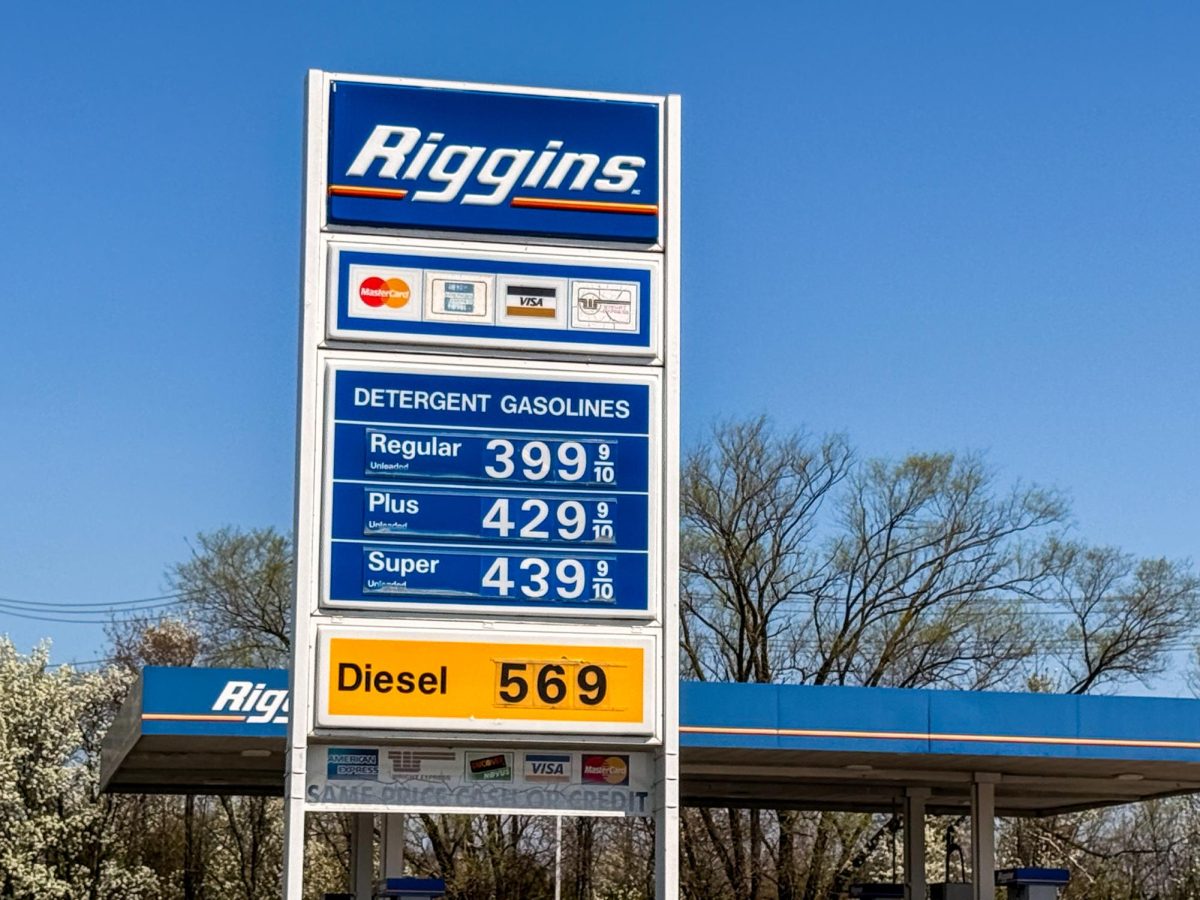
According to recent data, gas prices in New Jersey have climbed to around $4 per gallon, a noticeable jump from earlier this semester. For many Rowan students, that increase is already reshaping people’s daily routines, affecting budgets and their summer travel plans.
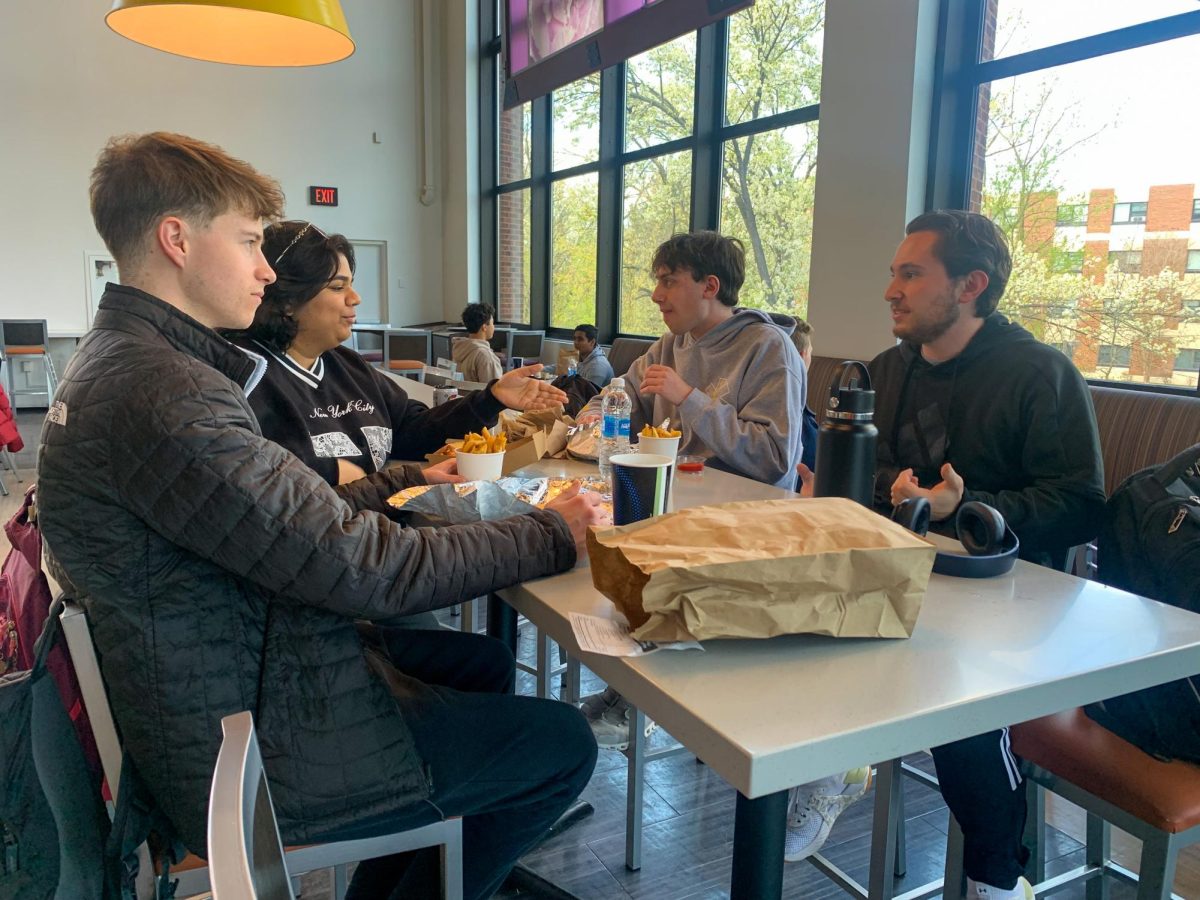
Commuter students like Phoenix Staines, a junior, biomedical engineering major who commutes daily to campus, noted that the change has been immediate and unavoidable.
“I’ve definitely noticed the increased prices, and it’s been quite an annoyance,” said Staines. “For the same price, I’m getting about 25% less gas.”
Staines drives roughly 25 minutes to and from campus five days a week; With the rising costs, it has become increasingly difficult for him to manage.
“I usually fill up once or twice a week,” said Staines. “Now I’m spending more just to get less.”
Earlier in the semester, filling up cost around $20 to $25. Now, that same tank costs between $30 and $35, forcing commuter students like Staines to put in small amounts at a time and search for cheaper options.
While commuting remains a necessity, Staines acknowledges that continued price increases could eventually force changes.
“It’s definitely a burden,” said Staines. “Maybe in the near future, I’ll have to start carpooling.”
Other students, like those living on campus, are adjusting how they travel. James Freeman, a junior radio, television, and film major at Rowan University, rushed to fill his tank after first hearing reports of the rising prices and anticipated increases. He said the increase of about $5 to $10 more per fill-up has begun to affect his spending habits as a college student.
“I saw on the news that prices were going up, so I went to get gas as soon as I could,” said Freeman. “I’ll need to stop spending money and just focus on the needs.”
The higher costs are also informing how students plan their time off campus. Before the spring break, Freeman limited his travel, opting to stay home longer rather than making multiple trips back and forth.
“I planned on going on day trips while at home,” said Freeman. “But now I’m going to stay a couple more nights to save money on gas.”
Well, some students said the financial strain has not yet forced lifestyle changes such as canceling trips home; it has added a layer of stress to already tightening budgets.
Both Staines and Freeman said they were aware that the increase in gas prices is tied to a global conflict, though neither felt the effects extended far beyond transportation costs.
The connection between global events and local impact is something economists say is unavoidable.
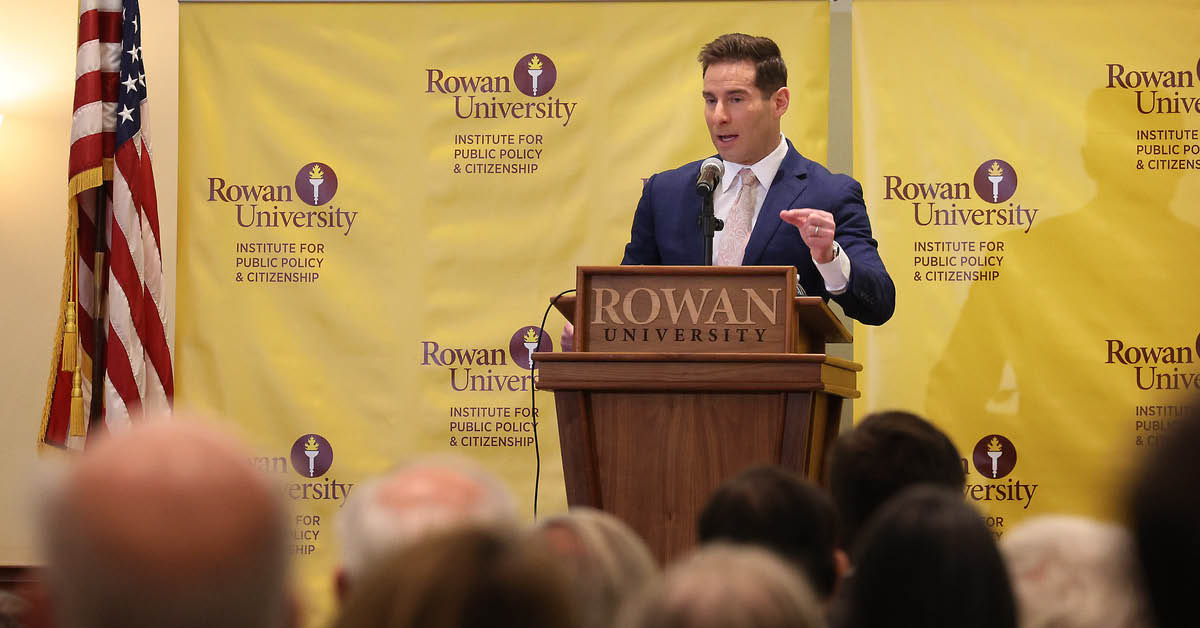
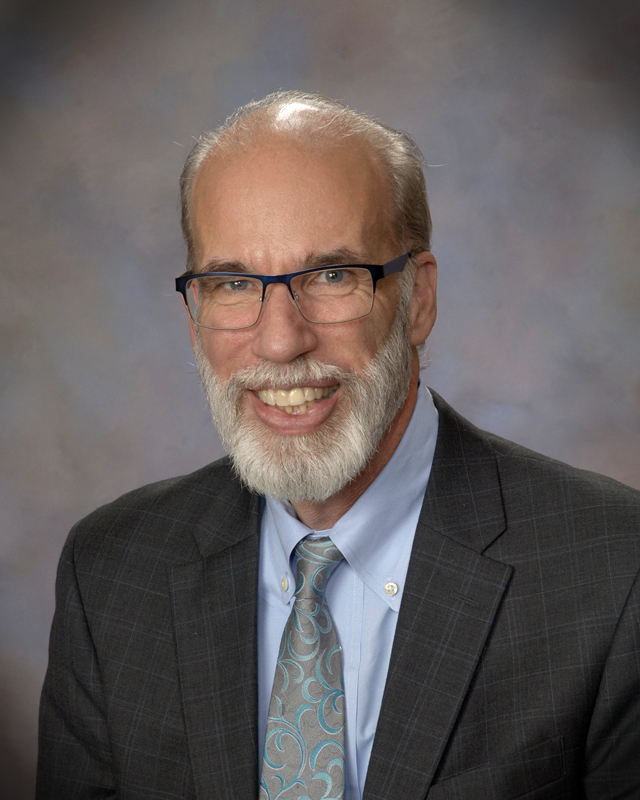
Economists like Timothy Mihok, a professor of economics at Rowan University, explained that even though the United States is considered energy independent as a country, oil prices are still determined by global supply and demand.
“The price of oil is based on global supply and demand, and risk is priced into the market,” said Mihok.
Mihok believes that the conflict involving Iran has driven oil prices up to around $90 per barrel, compared to pre-conflict levels of about $60. That increase is reflected in future markets, and, ultimately, at gas stations across the country.
Despite the current spike, Mihok believes the situation may be temporary.
“I expect there is a 90% chance that the conflict will be settled in two weeks,” said Mihok. “Once that happens, prices should return to pre-conflict levels.”
Still, even short-term increases can have a meaningful impact on students, particularly those already navigating rising costs in other areas of their lives.
To help address financial hardships, Rowan University offers resources such as the student emergency fund, which was established through the Rowan University Foundation. The fund assists with unexpected expenses, including transportation, groceries, and other necessities.
According to Joe Cardona, Vice Chancellor for University Communication, students experiencing financial strain can apply for support if they meet eligibility requirements, which include being in good academic standing and demonstrating financial need.
As prices fluctuate, students like Staines and Freeman say they would like to see additional support or alternative transportation options offered from the university, noting that an expansion within the shuttle service that Rowan offers for students to travel around campus might be needed.
While the war in Iran rages on, students and many Americans across the country are continuing to adapt by cutting back on spending, rearranging or canceling their travel plans altogether, and keeping a close eye on prices at the pump.
For comments/questions about this story, DM us on Instagram @thewhitatrowan or email [email protected]