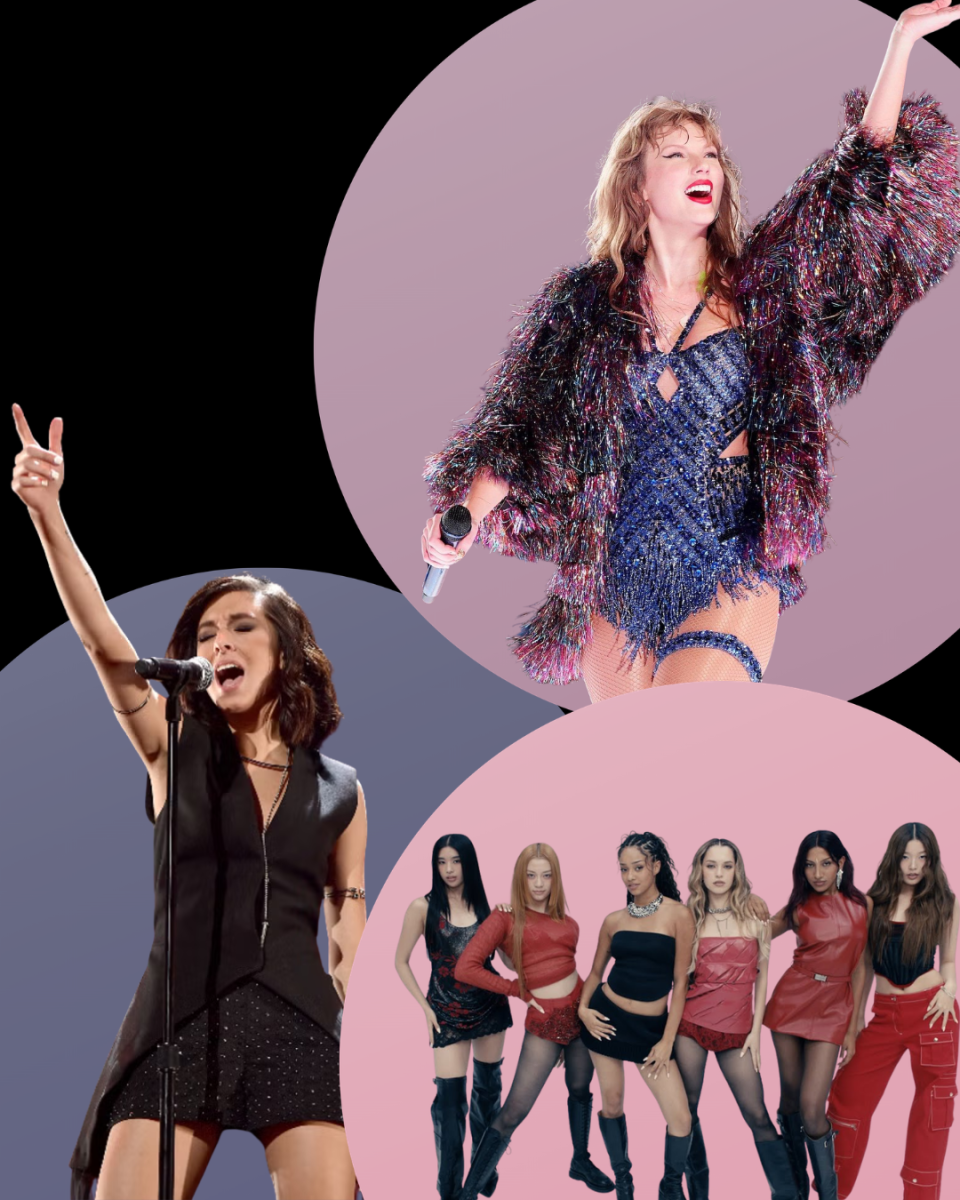


















































































































It’s no secret that influencers and traditional celebrities shape both fashion and beauty trends. However, not many are aware of the distinct differences that reflect their platforms.
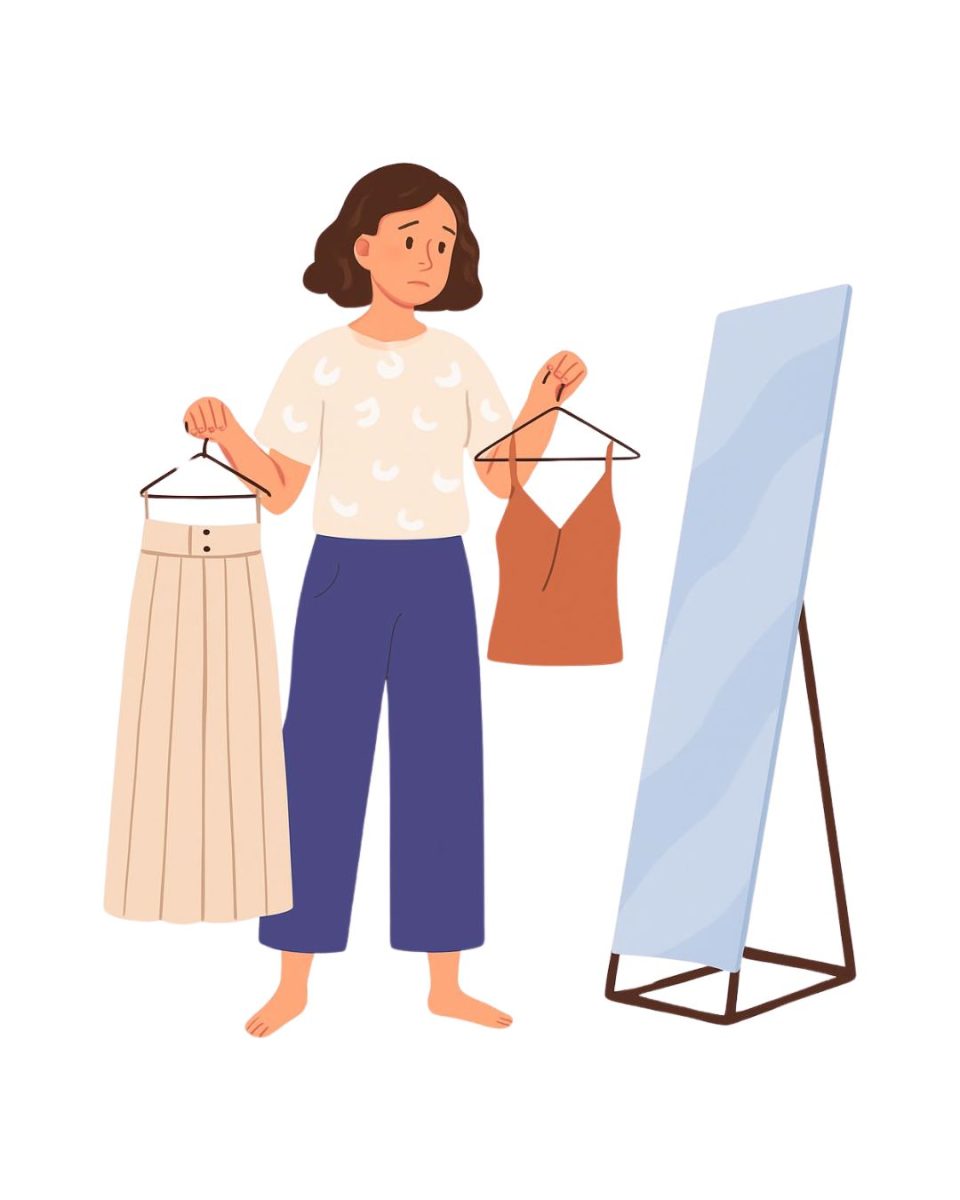
While traditional celebrities have the tendency to push trends more through the red carpet, campaigns, and the press, influencers shape trends through showing products in everyday contexts, posting styling videos, hauls, Get Ready With Me’s (GRWM), and reviews that feel like you’re sharing common ground with a friend on FaceTime.
Traditional celebrities, like Kylie Jenner, started on reality TV with her family’s show Keeping Up With The Kardashians at the age of just 10. While in her early adult years, she gradually began collaborating with designer brands, and promotional deals set the tone for magazines like Vogue.
Jenner puts together bold stylistic choices, for example, in May 2025, showing off the bleached brow look, which she paired with an edgy ensemble for her KHY x Dilara Findikoglu collection launch. Not long after, other celebrities became influenced and did the same. At the same time, not all celebrities are influencers, and not all influencers are celebrities.
As Forbes discusses, influencers and celebrities have different restrictions from brand deals to advertisements, as well as how, at one point, they were considered one and the same, until social media created further change.
Influencers are expected to create feasible content and promote brands themselves. For example, influencer James Charles uses social media to create current trends, fostering a sense of reliability and accessibility. Charles is known for mixing his sense of personal style with his artistic abilities for makeup and shapes gender norms.
Capturing a sense of authenticity, while having visual engagement for content, along with an influencer’s sense of personal style, allows people to influence millions of followers and shape culture itself. Many see influencers as more relatable than traditional celebrities.
Their lives appear more reachable and accessible, creating parasocial bonds. These are exemplified through TikTok and YouTube creators like Alix Earle or Emma Chamberlain, who bring a perfect sense of relatable authenticity to their content.
Earle’s “GRWM” videos made entire makeup brands sell out overnight, while Chamberlain’s effortless, vintage-inspired looks enhanced the popularity of thrifting culture.
At the same time, Chamberlain creates an appeal to Gen Z viewers specifically, combining vintage wear with a minimalist aesthetic.
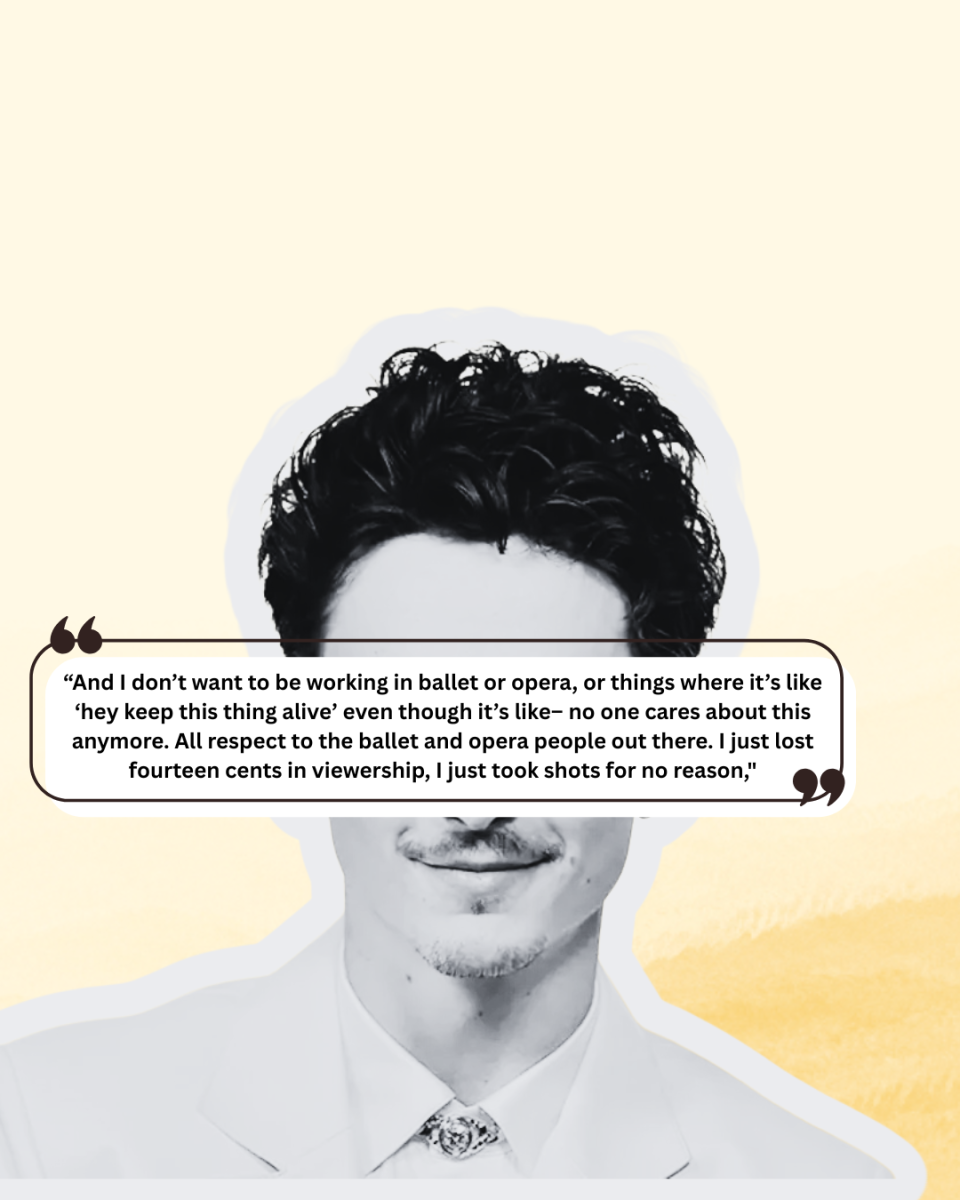
Traditional celebrities, on the other hand, seem to gravitate towards aspirational looks instead of attainable trends. For instance, Zendaya or Timothee Chalamet appear at galas in statement designer pieces, so they are a representation of high fashion instead of typical everyday wear.
While many college students can experience the traditional celebrities vs influencers divide, there is a certain sense of reliability from influencers being more down-to-earth. College students get inspiration from getting ready for early mornings to late nights out, and outfits. Even as Earle’s college era swayed over certain trends from her practicality with hectic GRWMs to relatable stories, making it seemingly more attainable for her target audience compared to celebs like Zendaya or Chalamet.
Celebrities lead trends that tend to trickle down through magazines like Vogue and luxury campaigns, whereas influencers lead trends that reach audiences much faster through social sharing on digital platforms. This particular distinction shapes how both traditional celebrities and influencers have different impacts on the fashion and beauty world. Influencers redefine the meaning of credibility in both the beauty and fashion industries.
Still, digital consumption has had an all-time high, and now influencers and traditional celebrities are beginning to overlap more than ever. Brands are collaborating with influencers to gain more online influence, while relying on celebrities for more high-profile brand recognition. These brand partnerships display cultural influence as they serve different purposes; influencers tend to humanize trends while celebrities set them as status symbols.
The once-separate worlds of the fashion and beauty industry are merging. Whether it’s scrolling on TikTok while looking for dorm ideas or adding something to their carts online, influencers can greatly impact college life. Traditional celebrities vs. influencers shape both the minds of young college students and have shaped consumerism as a whole.
For comments/questions about this story, DM us on Instagram @thewhitatrowan or email [email protected]