



































































With the usage of artificial intelligence becoming more and more common in our everyday lives, Rowan’s attempt to lower the rate of plagiarism and cheating comes in the form of software known as Turnitin.
Turnitin is a built-in Canvas feature that detects plagiarism among student assignments by using a specific comparative algorithm. The service was first created in 1994 by John M. Barrie, who at the time was a graduate student at the University of California. Though it was originated by Barrie four years earlier, Turnitin.com was officially released as a service under his iParadigms LLC in 1998, and recently celebrated its 25th anniversary in June 2023.
According to Buzzcube, Turnitin runs and detects for a percentage of accuracy instead of detecting certain sentences or phrases.
Rowan features a statement about Turnitin as one of their academic affairs policies, which are also commonly located in every class syllabus.
“Turnitin.com’s primary purpose is to check for plagiarism. The website does not make a determination itself; it simply shows correlations, allowing faculty to decide whether a violation is likely,” the policy said.
According to the policy, students do have the right to opt out of their work being run through Turnitin, as they would have to notify their professors at least two weeks before the assignment’s due date. However, they would still have to provide proof of originality in some other fashion.
The use of AI and new technologies leads to a higher level of plagiarism in schools. According to GradPilot, Turnitin has openly admitted to missing about 15 percent of AI-generated text in documents. A study from Vanderbilt University calculated that Turnitin’s claimed one percent false positive rate meant that around 750 student papers could have been incorrectly labeled as having artificial intelligence somehow involved in the essay’s writing process.
This study causes many universities to completely shut down the use of Turnitin, as it causes students to get falsely accused of plagiarism.
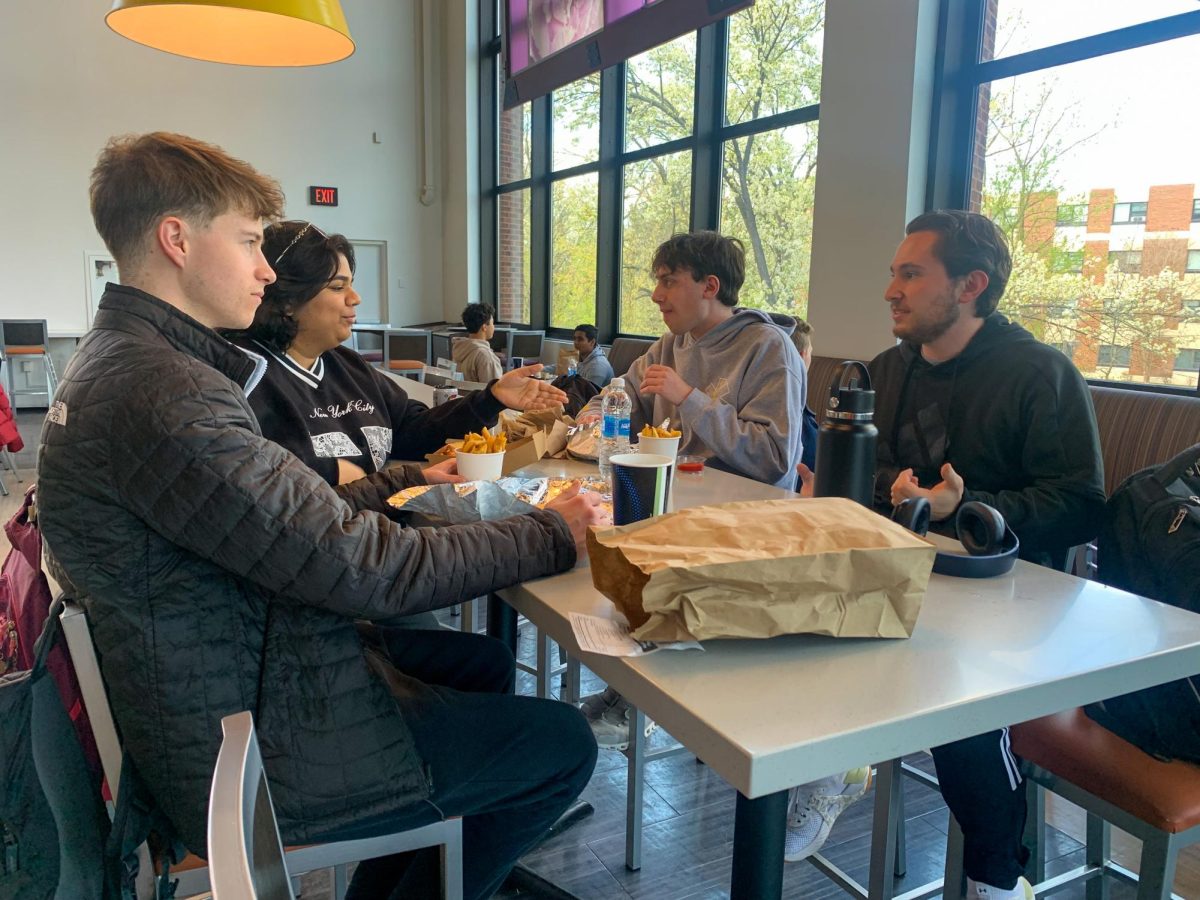
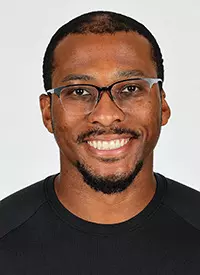
“I think Turnitin’s fine. Whenever I’ve used it in the past to scan my essays, it’s always been correctly flagged as 0% AI detected, but I remember some people having to rewrite parts of their essays cause it’d detect AI even when it wasn’t used in their writing. Overall, though I think it’s a good safeguard against AI plagiarism with how rampant it’s become in the past couple years,” said Josh Uwazuruonye, a sophomore accounting major at Rowan.
Uwazuruonye also notes that he’s been using Turnitin since high school, and his papers were not considered finished until they were run through it.
Turnitin is widely used by millions of universities to help make professors’ lives easier. Sara Dudo, a College Composition I professor at Rowan, follows the policy as artificial intelligence hinders students’ critical thinking development, and she wants to teach them how to write well on their own, without the help of AI technology.
“I usually only use Turnitin when the report number it shows is particularly high. Usually, I can tell when a student uses AI, just because of the AI writing conventions I’ve studied and been made aware of,” said Dudo.
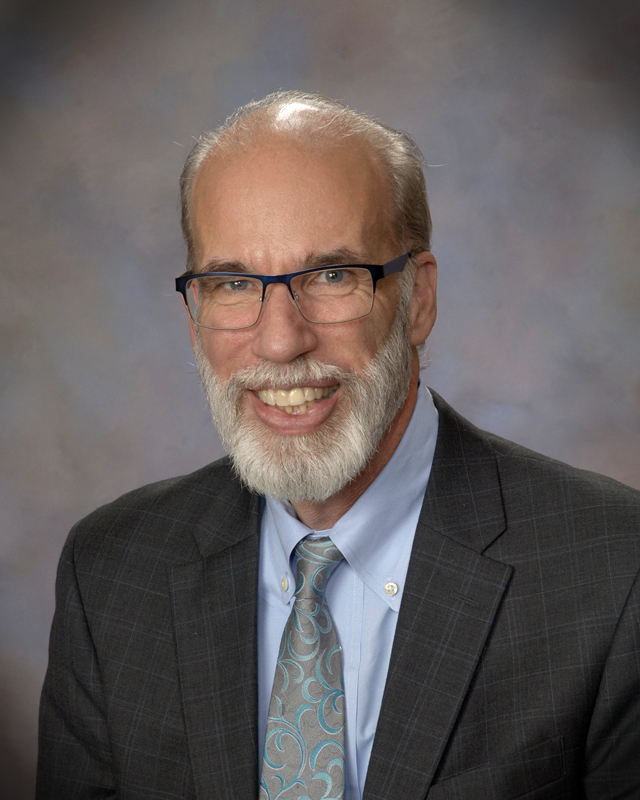
Daniel Norris, a College Composition II professor at Rowan, sees the faults with using the Turnitin service.
“I have used Turnitin in the past, but find its effectiveness rather inconsistent. Often, the citations, sources, and quotations, even general phrases such as ‘on the other hand’ and ‘must take into consideration’, were flagged for plagiarism or AI use. This has led to a lack of apparent merit with the website, in my opinion,” said Norris. “Equally, I have found Turnitin to often intimidate students and have them on unnecessary unease. Even if they were writing in full earnest, they had worried that each sentence and information included may end up getting them in trouble if flagged for inauthenticity.”
Surprisingly, not all students are familiar with Turnitin, unknowingly using it every time they turn in an assignment.
“I honestly don’t know, or have any knowledge of Turnitin, or ever really heard of it,” said Sophia Laureano, a freshman political science and sociology dual major.
Other students, such as Lukas Schleigh, a sophomore computer science major, have heard the name but have no clue about what it really does.
“Turnitin tends to come up in discussions among students and professors, more than I’d expect it to,” said Schleigh.
Despite the ups and downs members of the Rowan community have had with it, Turnitin continues to grow, and more schools and universities continue to incorporate it into their everyday routine.
For comments/questions about this story, DM us on Instagram @thewhitatrowan or email [email protected]